caroline couret
caroline couret

Is Creative Tourism the new Swiss army knife of post-covid tourism? “… This is what Caroline Couret, founder of the Creative Tourism Network® suggests. She gives us more details about this type of tourism and the opportunities it offers us in terms of post-covid strategies19.


Creative tourism, which has grown considerably in recent years, today seems to offer solutions for destinations in the post-covid horizon. Why?

First of all, I want to put my answer into perspective. The health crisis we are experiencing is dramatic, and the economic crisis will be just as dramatic, and particularly for the tourism sector. So I do not pretend, with my answers, to solve a situation of such magnitude and no, creative tourism will not be a Deus ex Machina. But since we are talking about trends to consolidate, then it can undoubtedly help restart tourism. Indeed, since its theorization, in the early 2000s, by professors Greg Richards and Crispin Raymond, it has grown considerably by responding on the one hand, to the demand of travelers in search of meaning and authenticity, and of on the other hand, as a solution for destinations wishing to make tourism, a lever of sustainable development for their territory. The current context is precisely highlighting a return of human values and solidarity within society. It also forces the destinations to seduce a local audience, the famous staycation, through experiences to live in small groups that offer a change of scenery just a few kilometers from home. And all this, with very rapid implementation, since we are talking about the summer season 2020!

Before going into more detail, perhaps a first framing on the concept of creative tourism would be necessary.

Indeed. It is a form of tourism which allows the traveler – we will understand that the choice of the term is not trivial – to discover but also to understand the local culture of a place, by participating actively in creative activities, linked to its intangible heritage and more generally its identity, its DNA.
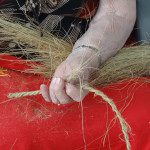
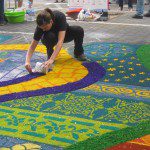
You can make your goat cheese or get started as a DJ in Ibiza, learn how to make sandcastles in the Magdalen Islands or snow sculptures in Saint-Jean-Port-Joli (Quebec), cosmetics from of roses or Bulgarian yogurt in Gabrovo (Bulgaria), rehearsing the carnival choreographies throughout the year in Recife (Brazil), making your hat “Panamá” in Ecuador, among many other colorful examples!

Besides the experience itself, it is also the added value that it brings to the territory, which is important. In fact, destinations rely on creative tourism as a lever for territorial development, making it possible in particular to promote off-season tourism and longer stays, diversify supply and therefore demand, revitalize their image, promote social cohesion, resilience, or quite simply, creating a tourism economy based on creativity, as is often the case in the framework of UNESCO Creative Cities.

You are French, but with an external vision. How do you perceive France’s potential in terms of creative tourism?

The cultural diversity of France, its traditions and know-how, are a considerable asset for creative tourism, and vice versa. This tourism preserves and enhances this intangible heritage and strengthens the identity of each region. In addition, it is tourism that adapts perfectly to all types of destinations, whether it be villages, towns, seaside or mountain resorts, islands, etc. since they consider tourism as an integrating element and not a “predatory” sector as we have come to hear. Our network also includes villages of 3000 inhabitants, rural regions, or megalopolises such as Medellín, which despite their differences, share their good practices and their audience! It is indeed important to emphasize that the creative tourist prioritizes the way of traveling and the quality of relations with the locals, to the intrinsic characteristics of the destination. It can, therefore, be versatile with regard to the choice of destinations, as long as these criteria are guaranteed. It is from this observation that we created the Creative Tourism Network®.

As for France, new destinations and territories will join us soon, even with a view to the 2020 season. In each place, it is a real pleasure to make known the cultural richness of our country, its artists, its craftsmen, and its inhabitants, its art of living!

You mentioned the Creative Tourism Network®, how was it born and what are its main missions?

You could say that the project was part of our DNA – with our team we were working on international cooperation projects until then and I personally had always traveled this way, prioritizing human relationships and creative discoveries. The meeting with Professor Greg Richards, theoretician of the concept of creative tourism, was decisive and allowed us to identify with great acuteness the requirements of these new travelers, but also the challenges that this new demand implied. We had already created the first city-wide platform of its kind, in Barcelona, to provide creative experiences for these new travelers. The idea of networking with other destinations seemed obvious.

Could you tell us more about these issues?

The specific nature of this demand has had a disruptive effect on the entire tourism industry. By replacing the top-down model that had prevailed in the context of “Fordist” tourism, by a bottom-up model, giving protagonism to expert travelers and prossumers, the emergence of this new paradigm has made essential the incorporation of new actors, such as artists, craftsmen, farmers, organizers of traditional festivals, to name a few, who are the only ones able to transmit their knowledge and know-how necessary for the design and realization of experiments. Obviously, co-creation between stakeholders from such diverse sectors brings new challenges, but also new opportunities.

How about the challenges?

The first challenge that arises is precisely linked to the design of experiences that are at the same time authentic, creative, and profitable, from assets as intangible as they are eclectic. If it is recognized that “tourism” and “culture” are already struggling to find – or accept – their respective roles, in promoting cultural tourism, we can easily imagine what it is about co-creation between the tourism industry and sectors such as crafts, creative industries or agriculture. Despite the fact that our “dream makers” as I like to call them – who are these craftsmen, these artists, these fishermen at the center of the activity – are very generous when it comes to sharing their knowledge, The Experience has to meet other criteria, related to the protection of intangible heritage, marketing, and what is more today, health and security. We are therefore faced with a challenge that requires the intervention of new “mediators”, making it possible to reconcile or even to create synergies from these various contingencies.
Does it sound simple, after all?
Let’s say it can be as simple and complicated as human relationships are! But it is certain that people and creativity are resources which can only be enriched during such a process. We can, therefore, say that there is no more sustainable tourism than the creative!

In addition, in all the territories with which we work, training is offered to local stakeholders, allowing them to update their skills in order to adapt their activity in the most autonomous and “ergonomic” way while integrating into the marketing channels that will be tour operators, travel agencies, even digital platforms.

What means are you implementing to achieve this?

Our network, which is a non-profit organization, has become a benchmark for this type of tourism worldwide. This, therefore, requires monitoring the sector and above all, being attentive to all the stakeholders who rally around it, whether they are travelers, under their most diverse profiles, DMOs or private companies.

For this, we are implementing, in real-time, tools that can provide them with concrete solutions, and at the same time, allow the sector to be structured on a more global scale.
This involves, for example, the creation of the Creative Tourism Academy, which designs and delivers tailor-made training, both academic and professional, the Creative Tourism Awards, which reward each year the best creative tourism initiatives, as well as our daily work with destinations carrying our CreativeFriendlyDestination label, in terms of advice, support and promotion as a specialized communication agency.

What makes you think that creative tourism is not just a fashion trend?

Since its appearance, creative tourism has constantly increased in number and profiles diversity, going from the lonely and romantic traveler who goes to paint in Tuscany, to a mode of travel which seduces segments such as singles, seniors, team buildings, PANKS, of course, millennials, as well as all those who are passionate about dance, pottery, weaving, budding winemakers or future chefs.
It is therefore not a trend driven by the tourism industry, but a societal change, which acts on the level of demand, and affects the tourist supply.
It is also important to emphasize that in this development, consumers, in this case, tourists, have become “prosumers”, by participating in the co-creation of their own experiences, and it is therefore impossible to relegate them again to mere customer status. The Maslow pyramid is evolving, and tourism with it!

To conclude, what advice would you give to destinations willing to develop this type of tourism?

First, do not approach it with the same codes that have structured the tourism industry to date. In fact, it would even be preferable not to consider it as tourism, but rather as a way of creating value chains in the territories, by satisfying – through creativity – the most diverse, but authentic demands in terms of mobility.

As I mentioned, this implies an open mind and natural empathy, both in terms of the welcome offered to tourists, as in the development of human resources with which we will collaborate. Everyone will play an important role and all will be complementary and virtuous among themselves. The artist, the craftsman, the entrepreneur, the institutions.

For this reason, it is important not to reduce the management of creative tourism to the creation of simple digital platforms, exclusively dedicated to the sale of online activities. They can be part of the chain, but we must seize this great opportunity to create meaning and value at the level of the territory! In particular via storytelling. The narrative must be that of the stakeholders, that is to say, the populations as a whole, who will share their history, past or contemporary, and create emotional ties with travelers. It is also, for destinations, the opportunity via the re-creation of their DNA, of an identity which has tended to be supplanted in recent decades, by a globalized tourist and cultural offer. This differentiation must also lead to cooperation between destinations, whatever they are, which have everything to lose as competitors for the top-ranking, and everything to gain, by recommending each other and working in a network.

And since it’s about getting to work, doing it with enthusiasm and without worry, let’s start by reassuring ourselves: everything is already done and just waiting to be re-valued. Circular economy and humanism as a post-crisis recipe.


Share

l turismo creativo è la nuova formula per il turismo post-covid? “… Questo è ciò che suggerisce Caroline Couret, fondatrice di Creative Tourism Network®. Ci fornisce maggiori dettagli su questo tipo di turismo e sulle opportunità che ci offre per le strategie post-covid19.

– Il turismo creativo si è sviluppato notevolmente negli ultimi anni e sembra che ora possa offrire nuove soluzioni per destinazioni nell’orizzonte post-covido. In che senso?

Prima di tutto, voglio mettere la mia risposta in prospettiva. La crisi sanitaria che stiamo vivendo è drammatica e anche la crisi economica sarà drammatica, in particolare per il settore turistico. Pertanto, con le mie risposte, non intendo risolvere una situazione di tale portata, ma poiché stiamo parlando di tendenze che possono contribuire al rilancio del settore, il turismo creativo avrà senza dubbio un ruolo di primo piano. In effetti, sin dalla sua teorizzazione nei primi anni 2000, dai professori Greg Richards e Crispin Raymond, questo turismo si è sviluppato considerevolmente, rispondendo, da un lato, alla domanda dei viaggiatori in cerca di significato e autenticità e per l’altro, a quello delle destinazioni che desiderano fare del turismo una leva di sviluppo sostenibile per il loro territorio. Il contesto attuale evidenzia con precisione il ritorno ai valori umani e alla solidarietà. Obbliga anche le destinazioni a sedurre un pubblico locale e il turismo di prossimità (o vicino), il noto soggiorno, attraverso esperienze da vivere in piccoli gruppi, offrendo un cambio di scenario a pochi chilometri da casa. E tutto questo, con un’implementazione molto veloce, poiché stiamo parlando della stagione estiva 2020!

– Prima di entrare in maggiori dettagli, forse sarebbe necessario ricordare ciò che intendiamo per turismo creativo.

Vero. È una forma di turismo che consente al viaggiatore, non al “turista”, di scoprire ma anche di comprendere la cultura locale di un luogo, partecipando attivamente ad attività creative, legate al suo patrimonio immateriale, alla sua identità, al suo DNA.
I turisti creativi saranno interessati, ad esempio, ad incontrarsi a Ibiza durante la bassa stagione per imparare a fare il formaggio di capra in una fattoria biologica o diventare un DJ per un giorno, per partecipare a una competizione di castelli di sabbia nelle Isole della Maddalena o sculture di ghiaccio a Saint-Jean-Port-Joli (Quebec), per preparare i propri cosmetici alla rosa o yogurt a Gabrovo (Bulgaria), per provare la coreografia del carnevale di Recife o per lavorare il loro cappello a cilindro in Ecuador! tra tanti altri esempi colorati!
Oltre all’esperienza stessa, è rilevante anche il valore aggiunto che questo turismo apporta al territorio. In effetti, le destinazioni vedono il turismo creativo come una leva per lo sviluppo territoriale. Tra le sue virtù, spicca la possibilità di promuovere il turismo stagionale con soggiorni più lunghi, diversificando l’offerta e quindi la domanda, rafforzando la sua identità, favorendo la coesione sociale, la resilienza o semplicemente creando un’economia turistica basata su creatività, come spesso accade nelle città creative dell’UNESCO.


– Sei francesa. Come percepisci il potenziale della Francia in termini di turismo creativo?

La diversità culturale della Francia, le sue tradizioni e il “savoir-faire” rappresentano una risorsa importante per il turismo creativo e viceversa. Questo turismo preserva e migliora questo patrimonio immateriale e rafforza l’identità di ogni regione. Inoltre, è un turismo che si adatta perfettamente a tutti i tipi di destinazioni, siano essi città, città, stazioni termali o di montagna, isole, tra le altre, che considerano il turismo come un elemento di integrazione e non un settore “predatorio”, come abbiamo vieni ad ascoltarlo. La nostra rete comprende anche città con 3000 abitanti, regioni rurali o megalopoli come Medellín che, nonostante le loro differenze, condividono le loro buone pratiche e il loro mercato. In effetti, è importante sottolineare che il turista creativo privilegia il modo di viaggiare e la qualità dei rapporti con i locali, alle caratteristiche intrinseche della destinazione. Pertanto, può essere versatile per quanto riguarda la scelta delle destinazioni, a condizione che questi criteri siano garantiti. È da questa osservazione che ci siamo messi in contatto con altre destinazioni in tutto il mondo e abbiamo creato la Creative Tourism Network®.
Per quanto riguarda la Francia, presto nuove destinazioni e territori si uniranno, in vista della stagione 2020.

Per quanto riguarda la Francia, nuove destinazioni e nuovi territori si uniranno presto a noi, anche in vista della stagione 2020. In ogni luogo, è un vero piacere far conoscere la ricchezza culturale del nostro paese, dei suoi artisti, dei suoi artigiani e dei suoi abitanti, della sua arte di vivere!


Hai citato la Creative Tourism Network®, come è nata e quali sono le sue principali missioni?

Si potrebbe dire che il progetto faceva parte del nostro DNA – con il nostro team abbiamo lavorato su progetti di cooperazione internazionale fino ad allora e io personalmente avevo sempre viaggiato in questo modo, dando la priorità ai rapporti umani e alle scoperte creative. L’incontro con il professor Greg Richards, teorico del concetto di turismo creativo, è stato decisivo e ci ha permesso di identificare con grande acutezza le esigenze di questi nuovi viaggiatori, ma anche le sfide che questa nuova richiesta implicava. Avevamo già creato la prima piattaforma a livello cittadino nel suo genere, a Barcellona, ​​per offrire esperienze creative a questi nuovi viaggiatori. L’idea di fare rete con altre destinazioni sembrava ovvia.

Potresti dirci di più su questi problemi?

La natura specifica di questa domanda ha avuto un effetto dirompente sull’intero settore turistico. Sostituendo il modello top-down prevalso nel contesto del turismo “fordista”, con un modello bottom-up, dando protagonista a viaggiatori esperti e prossimatori, la nascita di questo nuovo paradigma ha reso essenziale l’incorporazione di nuovi attori, come come artisti, artigiani, agricoltori, organizzatori di feste tradizionali, solo per citarne alcuni, che sono gli unici in grado di trasmettere le loro conoscenze e il loro know-how necessari per la progettazione e la realizzazione di esperimenti. Ovviamente, la co-creazione tra parti interessate di settori così diversi comporta nuove sfide, ma anche nuove opportunità.

E le sfide?

La prima sfida che si pone è precisamente legata alla progettazione di esperienze che sono allo stesso tempo autentiche, creative e redditizie, da attività tanto intangibili quanto eclettiche. Se si riconosce che “turismo” e “cultura” stanno già lottando per trovare – o accettare – i loro rispettivi ruoli, nel promuovere il turismo culturale, possiamo facilmente immaginare di cosa si tratta nella co-creazione tra l’industria del turismo e settori come l’artigianato , industrie creative o agricoltura. Nonostante il fatto che i nostri “produttori di sogni” come mi piace chiamarli – chi sono questi artigiani, questi artisti, questi pescatori al centro dell’attività – sono molto generosi quando si tratta di condividere le loro conoscenze, The Experience deve incontrare altri criteri, relativi alla protezione del patrimonio immateriale, al marketing e, soprattutto, alla salute e alla sicurezza. Siamo quindi di fronte a una sfida che richiede l’intervento di nuovi “mediatori”, che consente di riconciliare o addirittura creare sinergie da queste diverse contingenze.

Sembra semplice, dopo tutto?

Diciamo che può essere semplice e complicato come lo sono le relazioni umane! Ma è certo che le persone e la creatività sono risorse che possono essere arricchite solo durante tale processo. Pertanto, possiamo affermare che non esiste turismo più sostenibile dei creativi!

Inoltre, in tutti i territori con cui lavoriamo, viene offerta formazione agli stakeholder locali, consentendo loro di aggiornare le loro competenze al fine di adattare la loro attività nel modo più autonomo ed “ergonomico” mentre si integrano nei canali di marketing che saranno tour operatori, agenzie di viaggio, persino piattaforme digitali.

Cosa ti fa pensare che il turismo creativo non sia solo una moda passeggera?

Fin dalla sua istituzione, il turismo creativo è cresciuto costantemente di numero e ha diversificato i suoi profili, passando dal viaggiatore solitario e romantico che viaggia in Toscana per dipingere, a un modo di viaggiare che seduce segmenti come single, senior, team l’edificio, i PANK, ovviamente, i millennial, nonché tutti gli appassionati di danza, ceramica, tessitura o apprendisti chef.
Pertanto, non è una tendenza guidata dall’industria del turismo, ma un cambiamento sociale, che agisce a livello della domanda e influisce sull’offerta turistica.

È anche importante sottolineare che, in questa evoluzione, i consumatori, in questo caso i turisti, sono diventati “prosumatori”, partecipando alla co-creazione delle proprie esperienze e che, pertanto, è impossibile relegarli nuovamente. al semplice stato del cliente. La piramide di Maslow si sta evolvendo e il turismo con essa!

Per concludere, che consiglio daresti alle destinazioni che desiderano sviluppare questo tipo di turismo?

In primo luogo, non affrontarlo con gli stessi codici che hanno strutturato l’industria del turismo fino ad oggi. In effetti, sarebbe anche preferibile non considerarlo come turismo, ma piuttosto come un modo per creare catene del valore nei territori, usando la creatività per servire i più diversi scopi di viaggio.
Come ho già detto, ciò implica una mente aperta e un’empatia naturale, sia in termini di accoglienza riservata ai turisti, sia nello sviluppo delle risorse umane con cui collaboreremo. Tutti giocheranno un ruolo importante e complementare in questo circolo virtuoso. L’artista, l’artigiano, l’imprenditore, le istituzioni.
Per questo motivo, è importante non ridurre la gestione del turismo creativo alla creazione di piattaforme digitali dedicate esclusivamente alla vendita di attività online. Possono far parte della catena, ma soprattutto dobbiamo sfruttare questa grande opportunità per ricreare significato e valore a livello di territorio. In particolare attraverso lo storytelling. La narrazione dovrebbe essere quella delle popolazioni nel loro insieme, che condivideranno la loro storia, passata o contemporanea e creeranno legami emotivi con i viaggiatori. È quindi per le destinazioni, l’opportunità di recuperare il loro DNA, la loro identità che in molte occasioni è stata soppiantata negli ultimi decenni da un’offerta turistica e culturale globalizzata. Questa differenziazione dovrebbe anche portare alla cooperazione tra le destinazioni, qualunque esse siano, che hanno tutto da perdere come concorrenti per la classifica, e tutto da guadagnare raccomandandosi a vicenda e lavorando in una rete.

E poiché si tratta di andare a lavorare, farlo con entusiasmo, iniziamo rassicurandoci: tutto è già fatto e in attesa di essere rivalutato. Economia circolare e umanesimo come ricetta post-crisi!

Share
caroline couret
caroline couret

“O turismo criativo é a nova fórmula para o turismo pós-cobiçado? “… É o que sugere Caroline Couret, fundadora da Creative Tourism Network®. Ele nos fornece mais detalhes sobre esse tipo de turismo e as oportunidades que ele oferece para estratégias pós-covid19.

– O turismo criativo desenvolveu-se consideravelmente nos últimos anos e parece que agora pode oferecer novas soluções para destinos no horizonte post-covid. Em que sentido?

Antes de tudo, quero colocar minha resposta em perspectiva. A crise da saúde que estamos enfrentando é dramática e a crise econômica também será dramática, principalmente para o setor de turismo. Portanto, não pretendo, com minhas respostas, resolver uma situação de tal magnitude, mas, como estamos falando de tendências que podem contribuir para o renascimento do setor, o turismo criativo terá, sem dúvida, um papel de destaque. De fato, desde sua teorização, no início dos anos 2000, pelos professores Greg Richards e Crispin Raymond, esse turismo se desenvolveu consideravelmente, respondendo, por um lado, à demanda dos viajantes por significado e autenticidade e por o outro, aos destinos que desejam tornar o turismo uma alavanca de desenvolvimento sustentável para seu território. O contexto atual destaca precisamente o retorno aos valores humanos e à solidariedade. Também força os destinos a seduzir o público local e o turismo de proximidade (ou proximidade), a conhecida estada de férias, através de experiências para viver em pequenos grupos, oferecendo uma mudança de cenário a poucos quilômetros de casa. E tudo isso, com uma implementação muito rápida, já que estamos falando da temporada de verão de 2020!

– Antes de entrar em mais detalhes, talvez seja necessário lembrar o que entendemos por turismo criativo.

Direito É uma forma de turismo que permite ao viajante, não ao “turista”, descobrir, mas também entender a cultura local de um lugar, participando ativamente de atividades criativas, vinculadas ao seu patrimônio intangível, sua identidade, seu DNA.
Os turistas criativos estarão interessados, por exemplo, em se encontrar em Ibiza durante a baixa temporada para aprender a fazer queijo de cabra em uma fazenda orgânica ou se tornar DJ por um dia, para participar de uma competição de castelo de areia nas Ilhas Madalena ou esculturas de gelo em Saint-Jean-Port-Joli (Quebec), para fazer seus próprios cosméticos ou iogurte de rosas em Gabrovo (Bulgária), ensaiar as coreografias do carnaval de Recife ou tricotar seu chapéu de toquilla no Equador! entre muitos outros exemplos coloridos!

Além da experiência em si, também é relevante o valor agregado que esse turismo agrega ao território. De fato, os destinos veem o turismo criativo como uma alavanca para o desenvolvimento territorial. Entre suas virtudes, destaca-se a possibilidade de promover o turismo sazonal com estadias mais longas, diversificando a oferta e, portanto, a demanda, reforçando sua identidade, favorecendo a coesão social, a resiliência ou, simplesmente, criando uma economia turística baseada em criatividade, como costuma ser o caso das Cidades Criativas da UNESCO.

– É francesa. Como você percebe o potencial da França em termos de turismo criativo?

A diversidade cultural da França, suas tradições e o “savoir-faire” representam um ativo importante para o turismo criativo e vice-versa. Esse turismo preserva e melhora esse patrimônio intangível e fortalece a identidade de cada região. Além disso, é um turismo perfeitamente adaptado a todos os tipos de destinos, sejam vilas, cidades, estações de spa ou de montanha, ilhas, entre outros, que consideram o turismo como um elemento integrador e não um setor “predatório”, como temos venha ouvir isso. Nossa rede também inclui cidades com 3.000 habitantes, regiões rurais ou megalópoles como Medellín que, apesar de suas diferenças, compartilham suas boas práticas e seu mercado. De fato, é importante enfatizar que o turista criativo prioriza o modo de viajar e a qualidade das relações com os habitantes locais, às características intrínsecas do destino. Portanto, pode ser versátil em relação à escolha de destinos, desde que esses critérios sejam garantidos. É a partir dessa observação que começamos a trabalhar em rede com outros destinos ao redor do mundo e criamos a Creative Tourism Network®.
Quanto à França, novos destinos e territórios entrarão em breve, com vistas até para a temporada 2020.

– Antes de entrar em mais detalhes, talvez seja necessário lembrar o que entendemos por turismo criativo.

Direito É uma forma de turismo que permite ao viajante, não ao “turista”, descobrir, mas também entender a cultura local de um lugar, participando ativamente de atividades criativas, vinculadas ao seu patrimônio intangível, sua identidade, seu DNA.
Os turistas criativos estarão interessados, por exemplo, em se encontrar em Ibiza durante a baixa temporada para aprender a fazer queijo de cabra em uma fazenda orgânica ou se tornar DJ por um dia, para participar de uma competição de castelo de areia nas Ilhas Madalena ou esculturas de gelo em Saint-Jean-Port-Joli (Quebec), para fazer seus próprios cosméticos ou iogurte de rosas em Gabrovo (Bulgária), ensaiar as coreografias do carnaval de Recife ou tricotar seu chapéu de toquilla no Equador! entre muitos outros exemplos coloridos!
Além da experiência em si, também é relevante o valor agregado que esse turismo agrega ao território. De fato, os destinos veem o turismo criativo como uma alavanca para o desenvolvimento territorial. Entre suas virtudes, destaca-se a possibilidade de promover o turismo sazonal com estadias mais longas, diversificando a oferta e, portanto, a demanda, reforçando sua identidade, favorecendo a coesão social, a resiliência ou, simplesmente, criando uma economia turística baseada em criatividade, como costuma ser o caso das Cidades Criativas da UNESCO.

– É francesa. Como você percebe o potencial da França em termos de turismo criativo?

A diversidade cultural da França, suas tradições e o “savoir-faire” representam um ativo importante para o turismo criativo e vice-versa. Esse turismo preserva e melhora esse patrimônio intangível e fortalece a identidade de cada região. Além disso, é um turismo perfeitamente adaptado a todos os tipos de destinos, sejam vilas, cidades, estações de spa ou de montanha, ilhas, entre outros, que consideram o turismo como um elemento integrador e não um setor “predatório”, como temos venha ouvir isso. Nossa rede também inclui cidades com 3.000 habitantes, regiões rurais ou megalópoles como Medellín que, apesar de suas diferenças, compartilham suas boas práticas e seu mercado. De fato, é importante enfatizar que o turista criativo prioriza o modo de viajar e a qualidade das relações com os habitantes locais, às características intrínsecas do destino. Portanto, pode ser versátil em relação à escolha de destinos, desde que esses critérios sejam garantidos. É a partir dessa observação que começamos a trabalhar em rede com outros destinos ao redor do mundo e criamos a Creative Tourism Network®.
Quanto à França, novos destinos e territórios entrarão em breve, com vistas até para a temporada 2020.

– Você mencionou a Creative Tourism Network®, como nasceu?

Você poderia dizer que o projeto fazia parte do nosso DNA: com nossa equipe, trabalhamos em projetos de cooperação internacional até então e, pessoalmente, sempre viajei dessa maneira, priorizando as relações humanas e as experiências criativas. O encontro com o professor Greg Richards, autor do conceito de turismo criativo, foi decisivo e nos permitiu identificar com muita clareza as exigências desses novos viajantes, bem como os desafios que essa nova demanda acarreta. Foi então que criamos a primeira plataforma desse tipo no nível da cidade, Barcelona, ​​para atrair esses novos viajantes. A partir daí, pareceu-nos importante estabelecer contatos com destinos comprometidos com esse novo paradigma turístico.

– O que você poderia nos dizer sobre esse paradigma?

As especificidades do turismo criativo produziram um efeito perturbador em toda a indústria do turismo. De fato, as demandas desses novos viajantes e seu novo papel como prosumers forçaram o setor a passar do modelo de cima para baixo, que havia prevalecido no contexto do turismo “fordista”, para um modelo de baixo para cima, tornando necessário incorporar de novos atores locais, incluindo artistas, artesãos, agricultores, organizadores de festivais tradicionais, os únicos capazes de transmitir seus conhecimentos e tradições. A cocriação entre atores de campos tão diversos gera um novo paradigma, com seus novos desafios, mas também oportunidades.

– Vamos começar com os desafios?

O primeiro desafio que surge está precisamente relacionado ao desenho de experiências que precisam converter ativos intangíveis em experiências que são ao mesmo tempo autênticas, criativas e lucrativas. Se reconhecermos que já é difícil para o “turismo” e a “cultura” encontrar ou aceitar seus respectivos papéis na promoção do turismo cultural, podemos facilmente imaginar as dificuldades que acompanham a cocriação entre a indústria do turismo e setores tão diversos quanto o turismo. artesanato, indústria criativa ou agricultura. Apesar de nossos “sonhadores”, como eu gosto de chamá-los, quem são esses artesãos, esses artistas, esses pescadores, são muito generosos quando se trata de compartilhar seus conhecimentos com os turistas, a experiência, para serem satisfatórios e sustentáveis, também deve atender a outros critérios relacionados à proteção do patrimônio intangível, do marketing e, mais do que nunca, da segurança. Portanto, enfrentamos um desafio que requer a intervenção de novos “mediadores”, para garantir esses padrões e até criar sinergias a partir dessas diversas contingências.

Parece simples, afinal?

Digamos que pode ser tão simples e complicado quanto os relacionamentos humanos! Mas é verdade que pessoas e criatividade são recursos que só podem ser enriquecidos durante esse processo. Portanto, podemos dizer que não há turismo mais sustentável do que o turismo criativo.
Além disso, em todos os territórios com os quais trabalhamos, é oferecido treinamento aos atores locais, permitindo que eles atualizem suas habilidades para adaptar suas atividades da maneira mais autônoma e “ergonômica”, enquanto se integram a canais de marketing como operadores turista, agências de viagens e até plataformas digitais.

Como é realizado?

Nossa rede, que é uma organização sem fins lucrativos, tornou-se um ponto de referência para esse tipo de turismo em todo o mundo. Portanto, é necessário monitorar o setor e, principalmente, estar atento a todas as partes interessadas que o integram, sejam eles viajantes, nos mais diversos perfis, destinos administrados pelas administrações locais e pelo setor privado.
Nesse sentido, propomos ferramentas que oferecem soluções concretas no nível local e contribuem para o desenvolvimento desse turismo em todo o mundo.
Isso implica, por exemplo, a criação da Creative Tourism Academy, que cria e oferece cursos de treinamento – acadêmicos e profissionais – os Creative Tourism Awards – que premiam as melhores iniciativas de turismo criativo todos os anos, bem como nosso trabalho permanente de consultoria, suporte e promoção de destinos que receberam nossa certificação CreativeFriendlyDestination.

O que faz você pensar que o turismo criativo não é apenas uma moda?

Desde sua aparição, o turismo criativo cresce constantemente em número e diversifica seus perfis, passando do viajante solitário e romântico que viaja para a Toscana para pintar, para uma maneira de viajar que seduz segmentos como solteiros, idosos, equipes construção, PANKS, é claro, geração do milênio, bem como todos os apaixonados por dança, cerâmica, tecelagem ou aprendizes de chefs.
Portanto, não é uma tendência impulsionada pela indústria do turismo, mas uma mudança social, atuando no nível da demanda e afetando a oferta turística.

Também é importante sublinhar que, nesta evolução, os consumidores, neste caso turistas, tornaram-se “prosumers”, participando da co-criação de suas próprias experiências, e que, portanto, é impossível relegá-los novamente. ao mero estado do cliente. A pirâmide de Maslow está evoluindo e o turismo com ela!

Para concluir, que conselho você daria para destinos que desejam desenvolver esse tipo de turismo?

Primeiro, eles não o abordam com os mesmos códigos que estruturaram a indústria do turismo até o momento. De fato, seria preferível não considerá-lo como turismo, mas como uma maneira de criar cadeias de valor nos territórios, usando a criatividade para servir aos mais diversos propósitos de viagem.
Como mencionei, isso implica uma mente aberta e uma empatia natural, tanto em termos de boas-vindas aos turistas quanto no desenvolvimento de recursos humanos com os quais colaboraremos. Todos desempenharão um papel importante e complementar neste círculo virtuoso. O artista, o artesão, o empresário, as instituições.
Por esse motivo, é importante não reduzir a gestão do turismo criativo à criação de plataformas digitais dedicadas exclusivamente à venda de atividades online. Eles podem fazer parte da cadeia, mas, acima de tudo, essa grande oportunidade deve ser aproveitada para recriar significado e valor no nível do território. Em particular através da narrativa. A narrativa deve ser a das populações como um todo, que compartilharão sua história, passada ou contemporânea, e criarão laços emocionais com os viajantes. É então para os destinos, a oportunidade de recuperar seu DNA, sua identidade que em muitas ocasiões foi suplantada nas últimas décadas, por uma oferta turística e cultural globalizada. Essa diferenciação também deve levar à cooperação entre destinos, sejam eles quais forem, que têm tudo a perder como concorrentes no topo do ranking e tudo a ganhar ao recomendar um ao outro e trabalhar em rede.

E, como se trata de trabalhar, com entusiasmo, vamos começar nos tranquilizando: tudo já está feito e esperando ser reavaliado. Economia circular e humanismo como receita pós-crise!

Share

Is Creative Tourism the new Swiss army knife of post-covid tourism? “… This is what Caroline Couret, founder of the Creative Tourism Network® suggests. She gives us more details about this type of tourism and the opportunities it offers us in terms of post-covid strategies19.


Creative tourism, which has grown considerably in recent years, today seems to offer solutions for destinations in the post-covid horizon. Why?

First of all, I want to put my answer into perspective. The health crisis we are experiencing is dramatic, and the economic crisis will be just as dramatic, and particularly for the tourism sector. So I do not pretend, with my answers, to solve a situation of such magnitude and no, creative tourism will not be a Deus ex Machina. But since we are talking about trends to consolidate, then it can undoubtedly help restart tourism. Indeed, since its theorization, in the early 2000s, by professors Greg Richards and Crispin Raymond, it has grown considerably by responding on the one hand, to the demand of travelers in search of meaning and authenticity, and of on the other hand, as a solution for destinations wishing to make tourism, a lever of sustainable development for their territory. The current context is precisely highlighting a return of human values and solidarity within society. It also forces the destinations to seduce a local audience, the famous staycation, through experiences to live in small groups that offer a change of scenery just a few kilometers from home. And all this, with very rapid implementation, since we are talking about the summer season 2020!

Before going into more detail, perhaps a first framing on the concept of creative tourism would be necessary.

Indeed. It is a form of tourism which allows the traveler – we will understand that the choice of the term is not trivial – to discover but also to understand the local culture of a place, by participating actively in creative activities, linked to its intangible heritage and more generally its identity, its DNA.
You can make your goat cheese or get started as a DJ in Ibiza, learn how to make sandcastles in the Magdalen Islands or snow sculptures in Saint-Jean-Port-Joli (Quebec), cosmetics from of roses or Bulgarian yogurt in Gabrovo (Bulgaria), rehearsing the carnival choreographies throughout the year in Recife (Brazil), making your hat “Panamá” in Ecuador, among many other colorful examples!

Besides the experience itself, it is also the added value that it brings to the territory, which is important. In fact, destinations rely on creative tourism as a lever for territorial development, making it possible in particular to promote off-season tourism and longer stays, diversify supply and therefore demand, revitalize their image, promote social cohesion, resilience, or quite simply, creating a tourism economy based on creativity, as is often the case in the framework of UNESCO Creative Cities.

You are French, but with an external vision. How do you perceive France’s potential in terms of creative tourism?

The cultural diversity of France, its traditions and know-how, are a considerable asset for creative tourism, and vice versa. This tourism preserves and enhances this intangible heritage and strengthens the identity of each region. In addition, it is tourism that adapts perfectly to all types of destinations, whether it be villages, towns, seaside or mountain resorts, islands, etc. since they consider tourism as an integrating element and not a “predatory” sector as we have come to hear. Our network also includes villages of 3000 inhabitants, rural regions, or megalopolises such as Medellín, which despite their differences, share their good practices and their audience! It is indeed important to emphasize that the creative tourist prioritizes the way of traveling and the quality of relations with the locals, to the intrinsic characteristics of the destination. It can, therefore, be versatile with regard to the choice of destinations, as long as these criteria are guaranteed. It is from this observation that we created the Creative Tourism Network®.

As for France, new destinations and territories will join us soon, even with a view to the 2020 season. In each place, it is a real pleasure to make known the cultural richness of our country, its artists, its craftsmen, and its inhabitants, its art of living!

You mentioned the Creative Tourism Network®, how was it born and what are its main missions?

You could say that the project was part of our DNA – with our team we were working on international cooperation projects until then and I personally had always traveled this way, prioritizing human relationships and creative discoveries. The meeting with Professor Greg Richards, theoretician of the concept of creative tourism, was decisive and allowed us to identify with great acuteness the requirements of these new travelers, but also the challenges that this new demand implied. We had already created the first city-wide platform of its kind, in Barcelona, to provide creative experiences for these new travelers. The idea of networking with other destinations seemed obvious.

Could you tell us more about these issues?

The specific nature of this demand has had a disruptive effect on the entire tourism industry. By replacing the top-down model that had prevailed in the context of “Fordist” tourism, by a bottom-up model, giving protagonism to expert travelers and prossumers, the emergence of this new paradigm has made essential the incorporation of new actors, such as artists, craftsmen, farmers, organizers of traditional festivals, to name a few, who are the only ones able to transmit their knowledge and know-how necessary for the design and realization of experiments. Obviously, co-creation between stakeholders from such diverse sectors brings new challenges, but also new opportunities.

How about the challenges?

The first challenge that arises is precisely linked to the design of experiences that are at the same time authentic, creative, and profitable, from assets as intangible as they are eclectic. If it is recognized that “tourism” and “culture” are already struggling to find – or accept – their respective roles, in promoting cultural tourism, we can easily imagine what it is about co-creation between the tourism industry and sectors such as crafts, creative industries or agriculture. Despite the fact that our “dream makers” as I like to call them – who are these craftsmen, these artists, these fishermen at the center of the activity – are very generous when it comes to sharing their knowledge, The Experience has to meet other criteria, related to the protection of intangible heritage, marketing, and what is more today, health and security. We are therefore faced with a challenge that requires the intervention of new “mediators”, making it possible to reconcile or even to create synergies from these various contingencies.
Does it sound simple, after all?
Let’s say it can be as simple and complicated as human relationships are! But it is certain that people and creativity are resources which can only be enriched during such a process. We can, therefore, say that there is no more sustainable tourism than the creative!

In addition, in all the territories with which we work, training is offered to local stakeholders, allowing them to update their skills in order to adapt their activity in the most autonomous and “ergonomic” way while integrating into the marketing channels that will be tour operators, travel agencies, even digital platforms.

What means are you implementing to achieve this?

Our network, which is a non-profit organization, has become a benchmark for this type of tourism worldwide. This, therefore, requires monitoring the sector and above all, being attentive to all the stakeholders who rally around it, whether they are travelers, under their most diverse profiles, DMOs or private companies.

For this, we are implementing, in real-time, tools that can provide them with concrete solutions, and at the same time, allow the sector to be structured on a more global scale.
This involves, for example, the creation of the Creative Tourism Academy, which designs and delivers tailor-made training, both academic and professional, the Creative Tourism Awards, which reward each year the best creative tourism initiatives, as well as our daily work with destinations carrying our CreativeFriendlyDestination label, in terms of advice, support and promotion as a specialized communication agency.

What makes you think that creative tourism is not just a fashion trend?

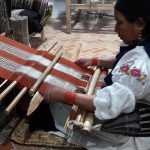
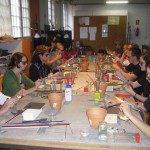
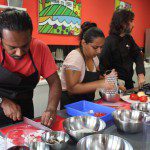
Since its appearance, creative tourism has constantly increased in number and profiles diversity, going from the lonely and romantic traveler who goes to paint in Tuscany, to a mode of travel which seduces segments such as singles, seniors, team buildings, PANKS, of course, millennials, as well as all those who are passionate about dance, pottery, weaving, budding winemakers or future chefs.
It is therefore not a trend driven by the tourism industry, but a societal change, which acts on the level of demand, and affects the tourist supply.
It is also important to emphasize that in this development, consumers, in this case, tourists, have become “prosumers”, by participating in the co-creation of their own experiences, and it is therefore impossible to relegate them again to mere customer status. The Maslow pyramid is evolving, and tourism with it!

To conclude, what advice would you give to destinations willing to develop this type of tourism?

First, do not approach it with the same codes that have structured the tourism industry to date. In fact, it would even be preferable not to consider it as tourism, but rather as a way of creating value chains in the territories, by satisfying – through creativity – the most diverse, but authentic demands in terms of mobility.

As I mentioned, this implies an open mind and natural empathy, both in terms of the welcome offered to tourists, as in the development of human resources with which we will collaborate. Everyone will play an important role and all will be complementary and virtuous among themselves. The artist, the craftsman, the entrepreneur, the institutions.

For this reason, it is important not to reduce the management of creative tourism to the creation of simple digital platforms, exclusively dedicated to the sale of online activities. They can be part of the chain, but we must seize this great opportunity to create meaning and value at the level of the territory! In particular via storytelling. The narrative must be that of the stakeholders, that is to say, the populations as a whole, who will share their history, past or contemporary, and create emotional ties with travelers. It is also, for destinations, the opportunity via the re-creation of their DNA, of an identity which has tended to be supplanted in recent decades, by a globalized tourist and cultural offer. This differentiation must also lead to cooperation between destinations, whatever they are, which have everything to lose as competitors for the top-ranking, and everything to gain, by recommending each other and working in a network.

And since it’s about getting to work, doing it with enthusiasm and without worry, let’s start by reassuring ourselves: everything is already done and just waiting to be re-valued. Circular economy and humanism as a post-crisis recipe.

Share