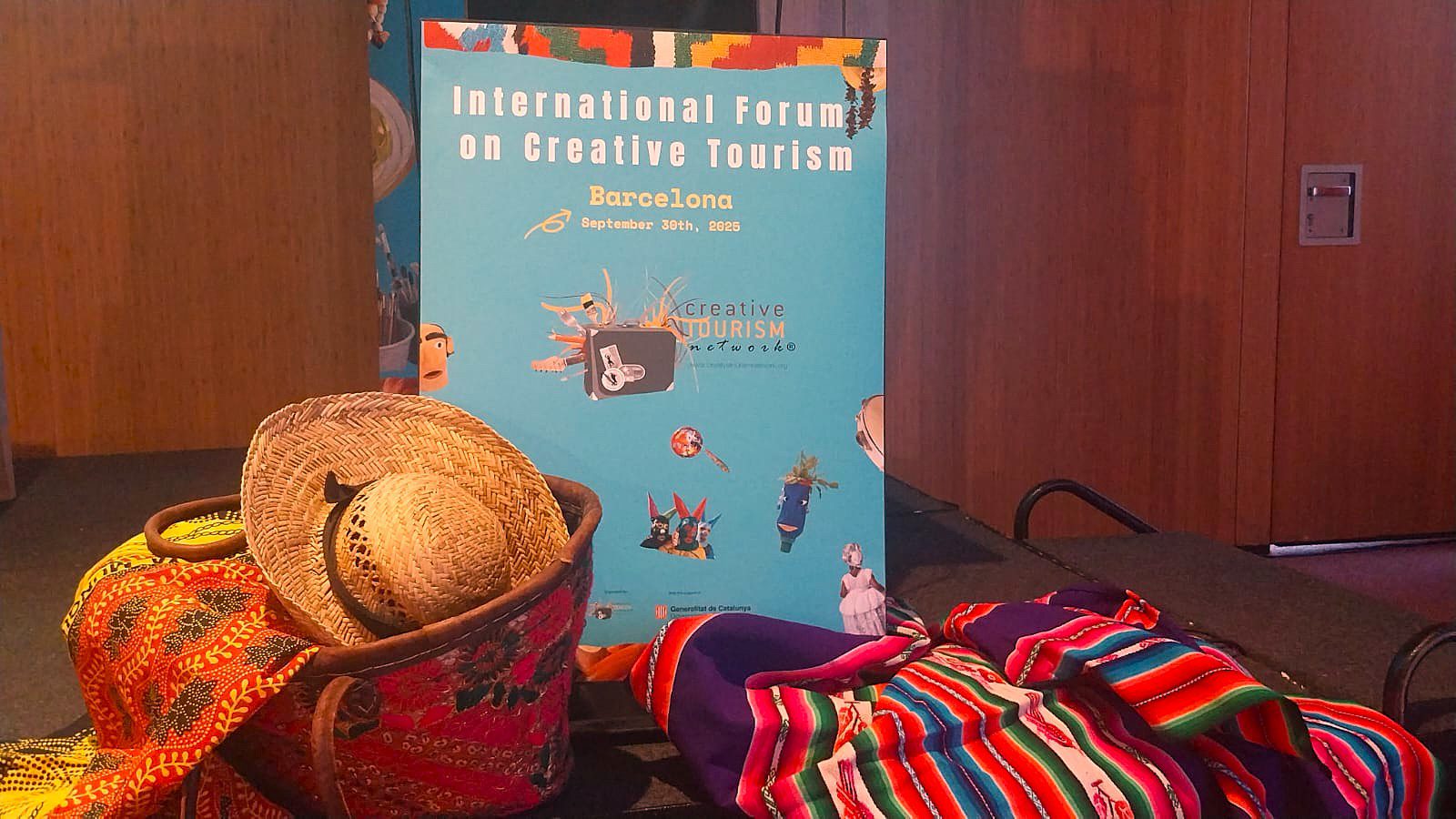
The Creative Tourism International Forum, held in Barcelona on September 30th and organized by the Creative Tourism Network® with the support of the Government of Catalonia, concluded with a decisive turning point in the global tourism paradigm.
Visionary leaders, experts, and delegates from five continents gathered to co-create sustainable, inclusive, and regenerative tourism ecosystems, positioning creative tourism not as a niche, but as a strategic solution for virtuous territorial development. Coinciding with UNESCO’s Mondiacult Congress a the Forum reaffirmed the human and cultural values that underpin creative tourism. It offered a vibrant platform for dialogue, collaboration, and the formalization of strategic alliances between destinations committed to ethical and regenerative models of tourism.
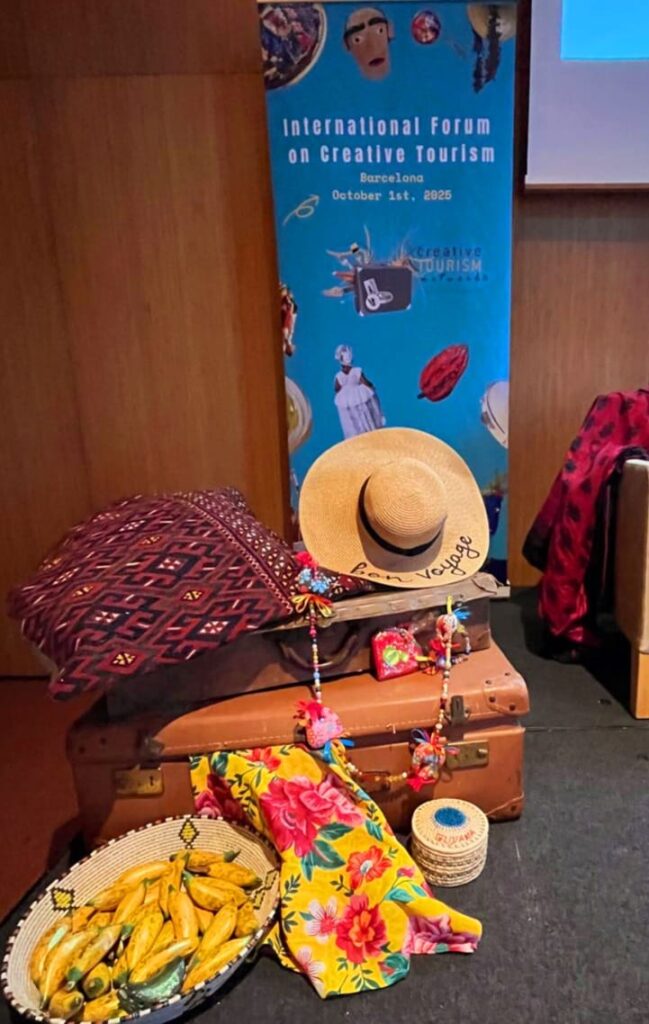
A Forum Built on Co-Creation and Action
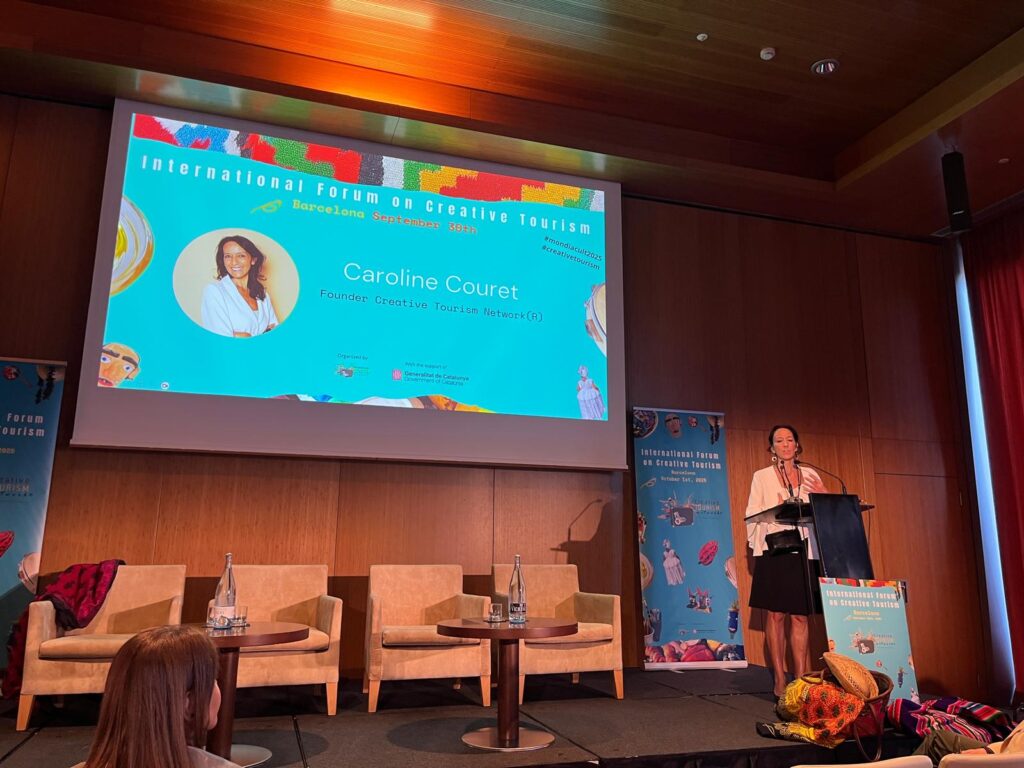
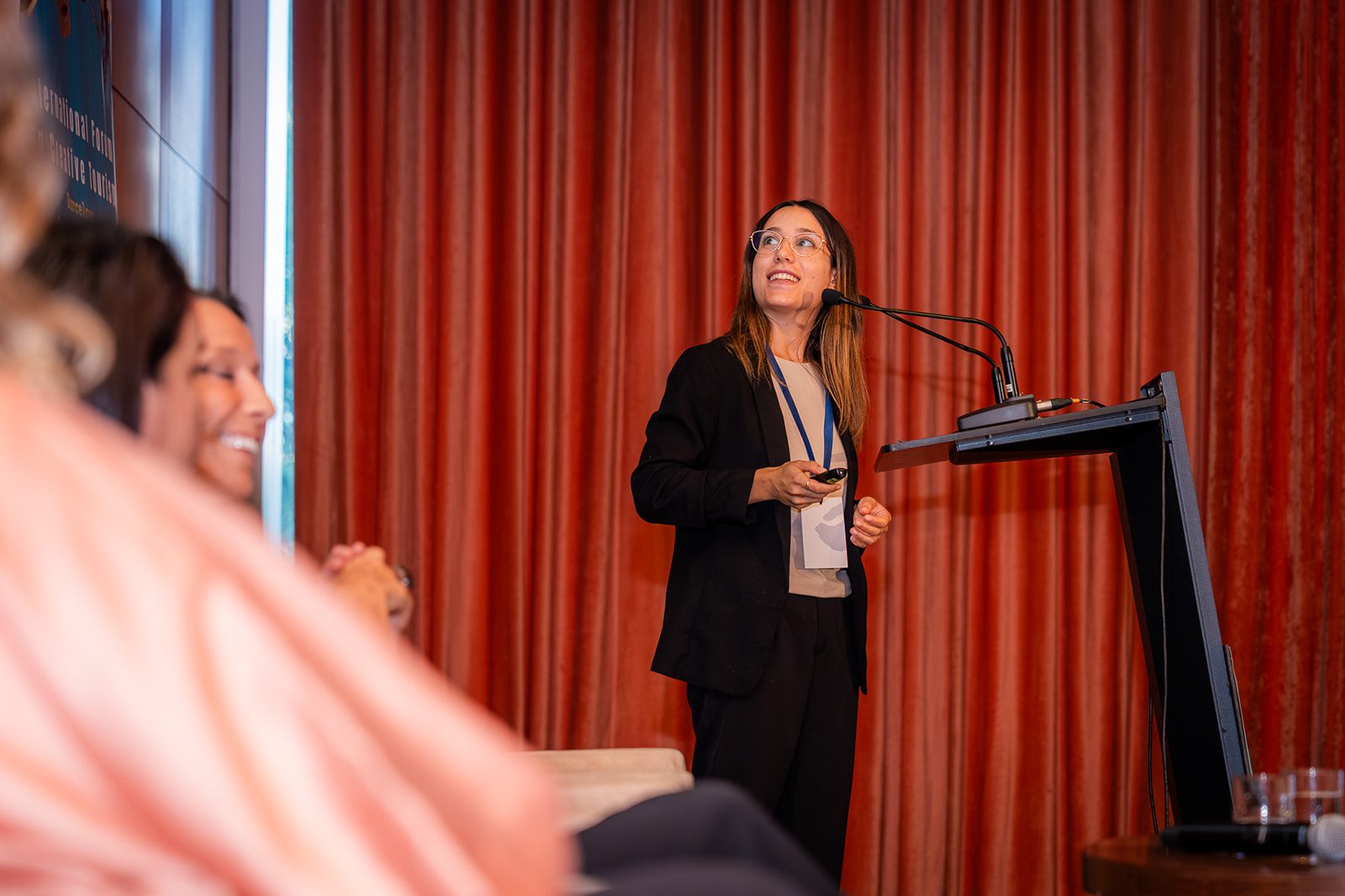
Moderated by renowned M.C. Carrie Frais, the event opened with welcoming remarks, followed by an inspiring keynote from Caroline Couret, Director of the Creative Tourism Network®, who framed creative tourism as a holistic, sustainable, and regenerative model.
She set the tone for the day by emphasizing its transformative power in empowering communities and fostering intercultural dialogue across the network’s labeled CreativeFriendly destinations—spanning from Cannes, Les Charentes, and Anduze in France; to Quebec; stretching across Portugal, Brazil, the Philippines, Rapa Nui (Chile) , and reaching as far as New Orleans in the United States. This vibrant mosaic of destinations showcased the rich cultural heritage and innovative spirit at the heart of creative tourism worldwide.
She then gave the floor to a recorded message by Professor Greg Richards, author of the Creative Tourism concept, who reaffirmed the catalytic role of creative tourism and expressed his strong support for both the Forum and the Creative Tourism Network®.
Inspiring Leadership and Vision for Regenerative Creative Tourism
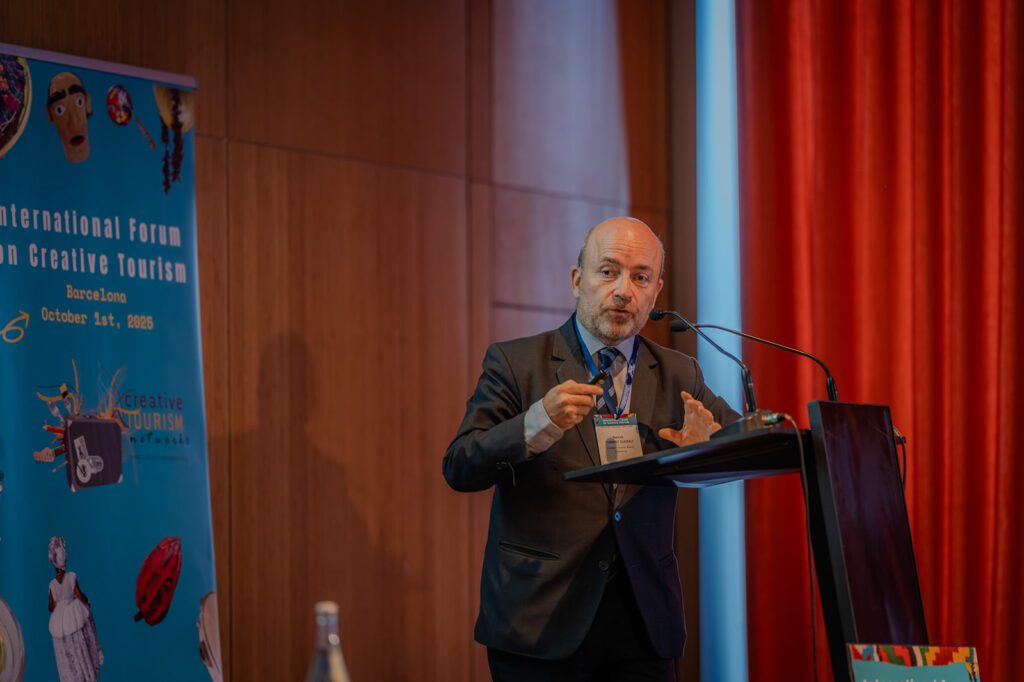
Patrick Torrent Queralt, Executive Director of the Catalan Tourist Board, presented Catalonia as a living model of creative synergies—advancing regenerative tourism practices that harmonize innovation with respect for cultural and natural heritage as part of the Strategic Marketing Plan of Catalonia Tourism and the upcoming 2026-Year of Cultural Tourism.
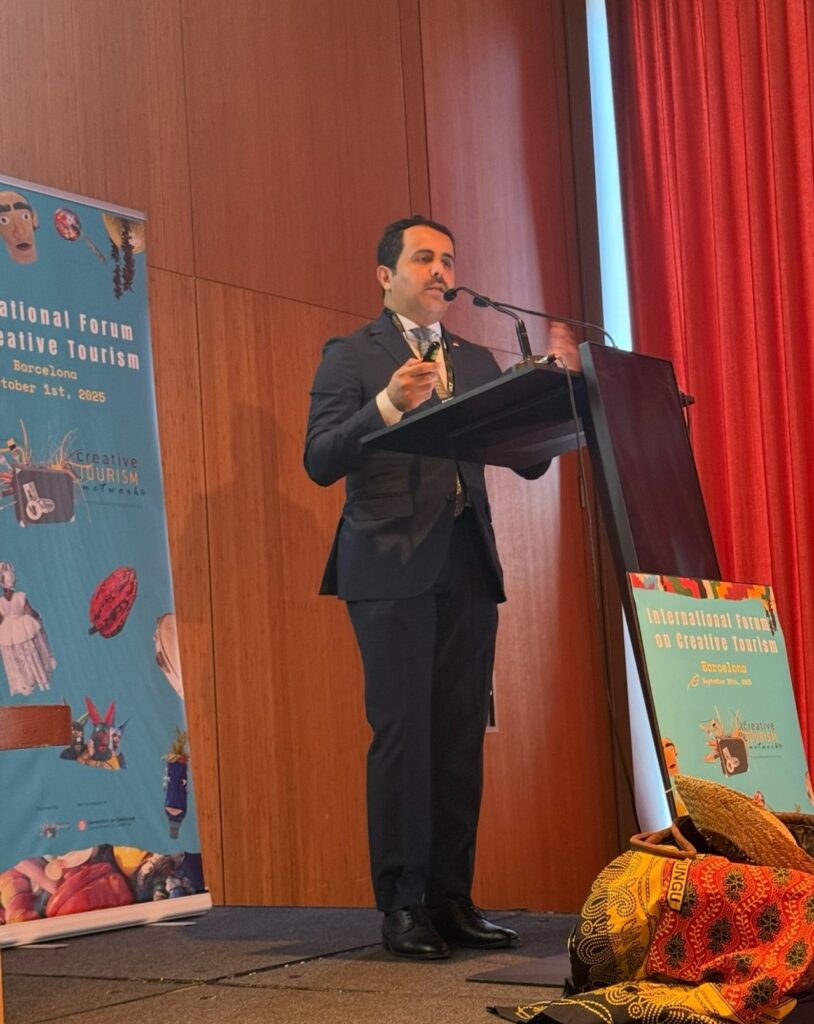
The first thematic panel, “From Creative Industries to Creative Attractivity,” featured Dr. Rashid Melhaya, Head of International Relations at Qatar Museums, who brilliantly demonstrated museums might become the next business disruptors in tourism! His impactful intervention bridged heritage legacy with innovative formats that redefine visitor engagement.
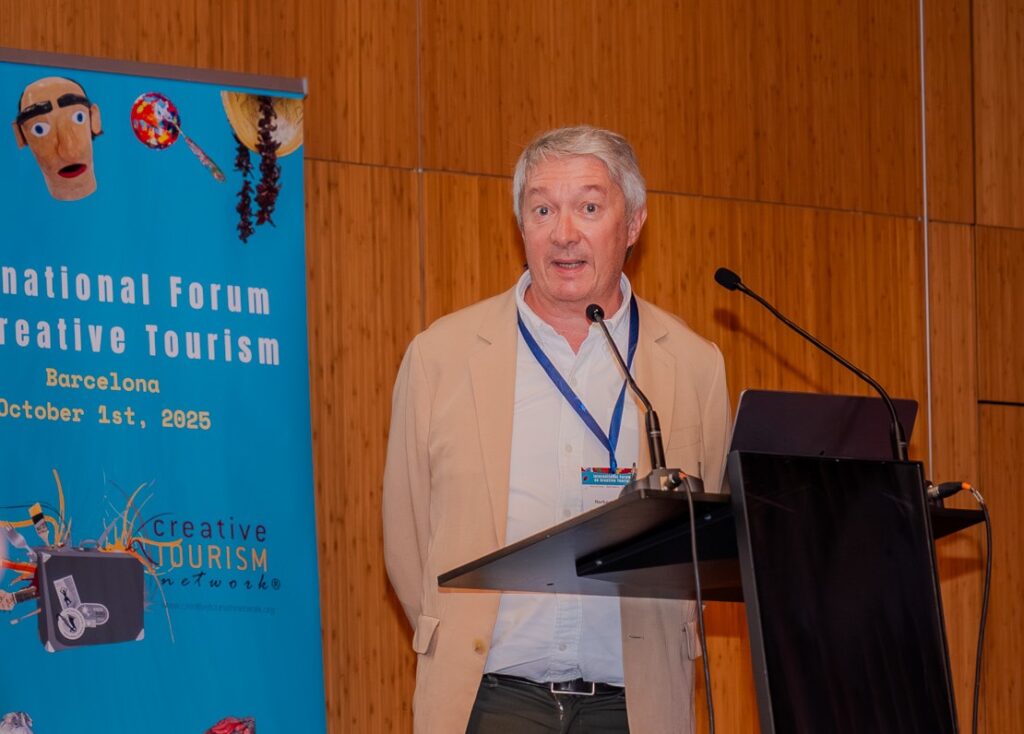
Norbert Crozier (France) followed with insights into building sustainable tourism value chains through projects like emblematic Louvre-Lens and Mont-St Michel.
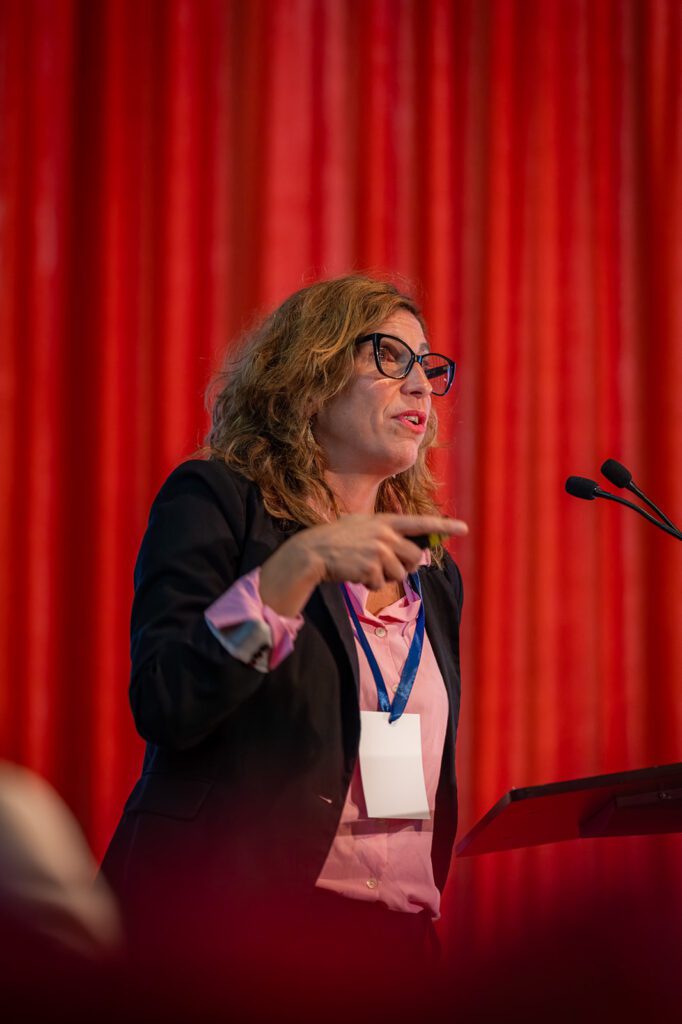
Anna Sàbat Responsible for Local Development at Visit Empordanet (Catalonia) illustrated how creativity is revitalizing rural areas by attracting new traveler profiles and promoting authentic, hands-on experiences.
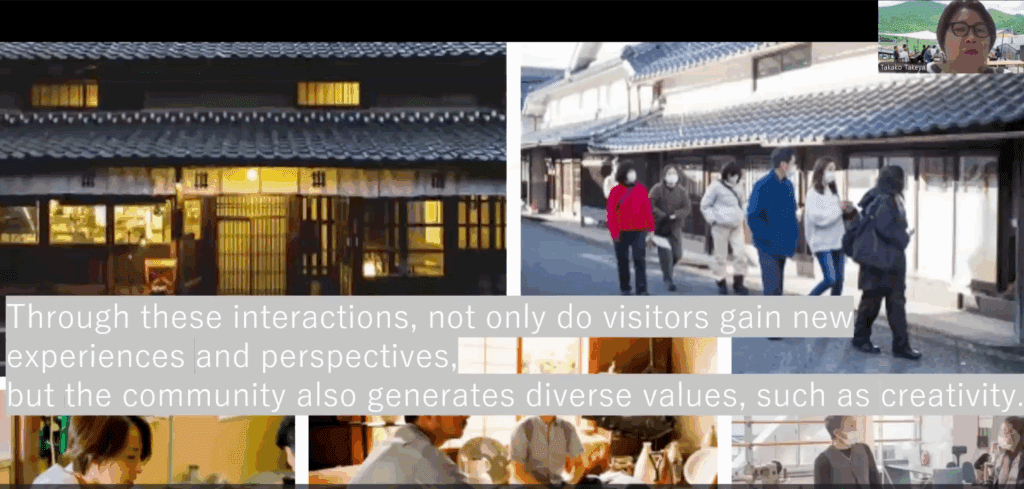
Adding a visual dimension, a video pitch from Japan showcased the creative transformation of Tamba-Sasayama, where traditional crafts and ceramics serve as powerful catalysts for cultural tourism, led by Takako Takeya and Masayuki Sasaki.
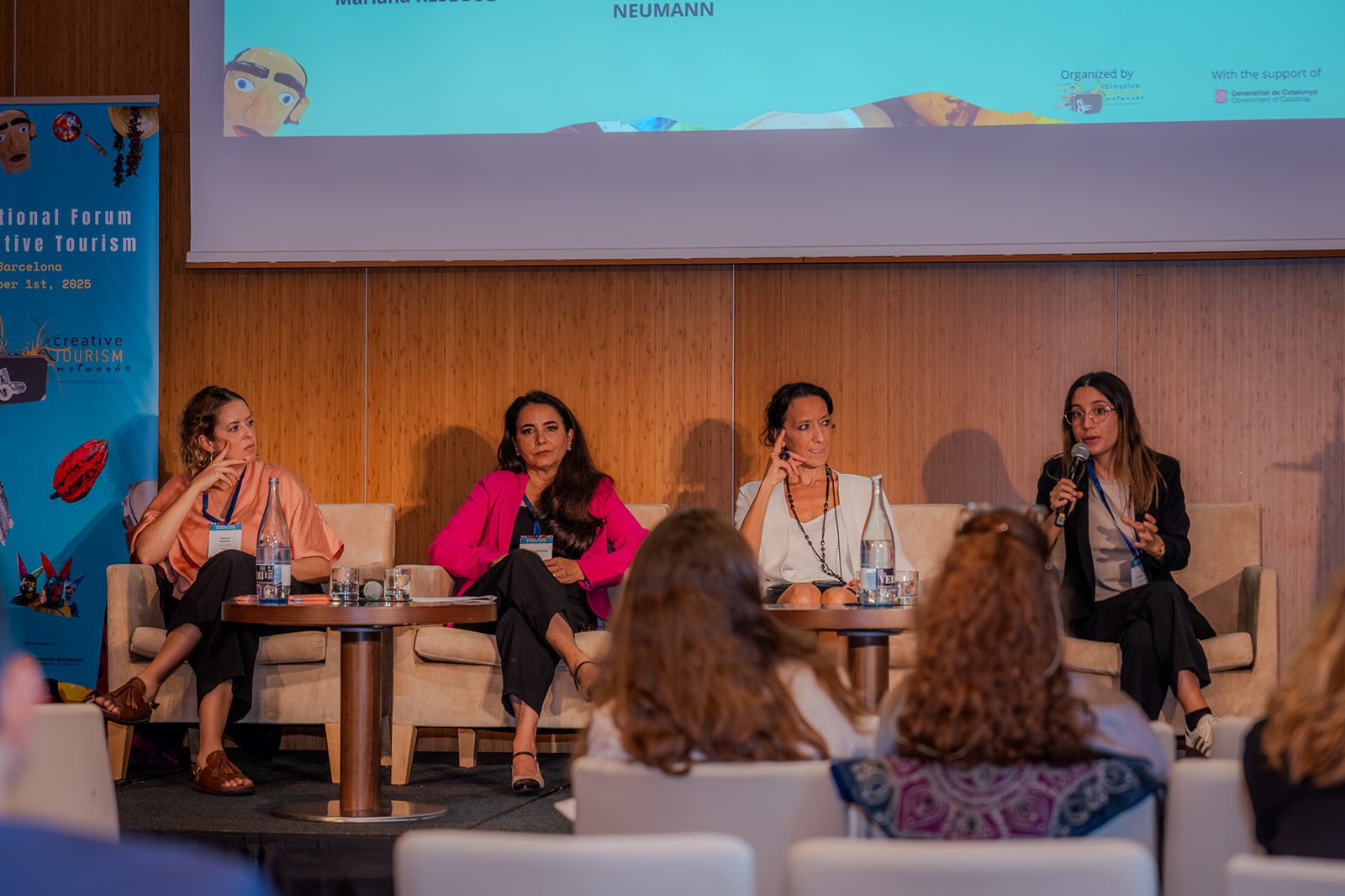
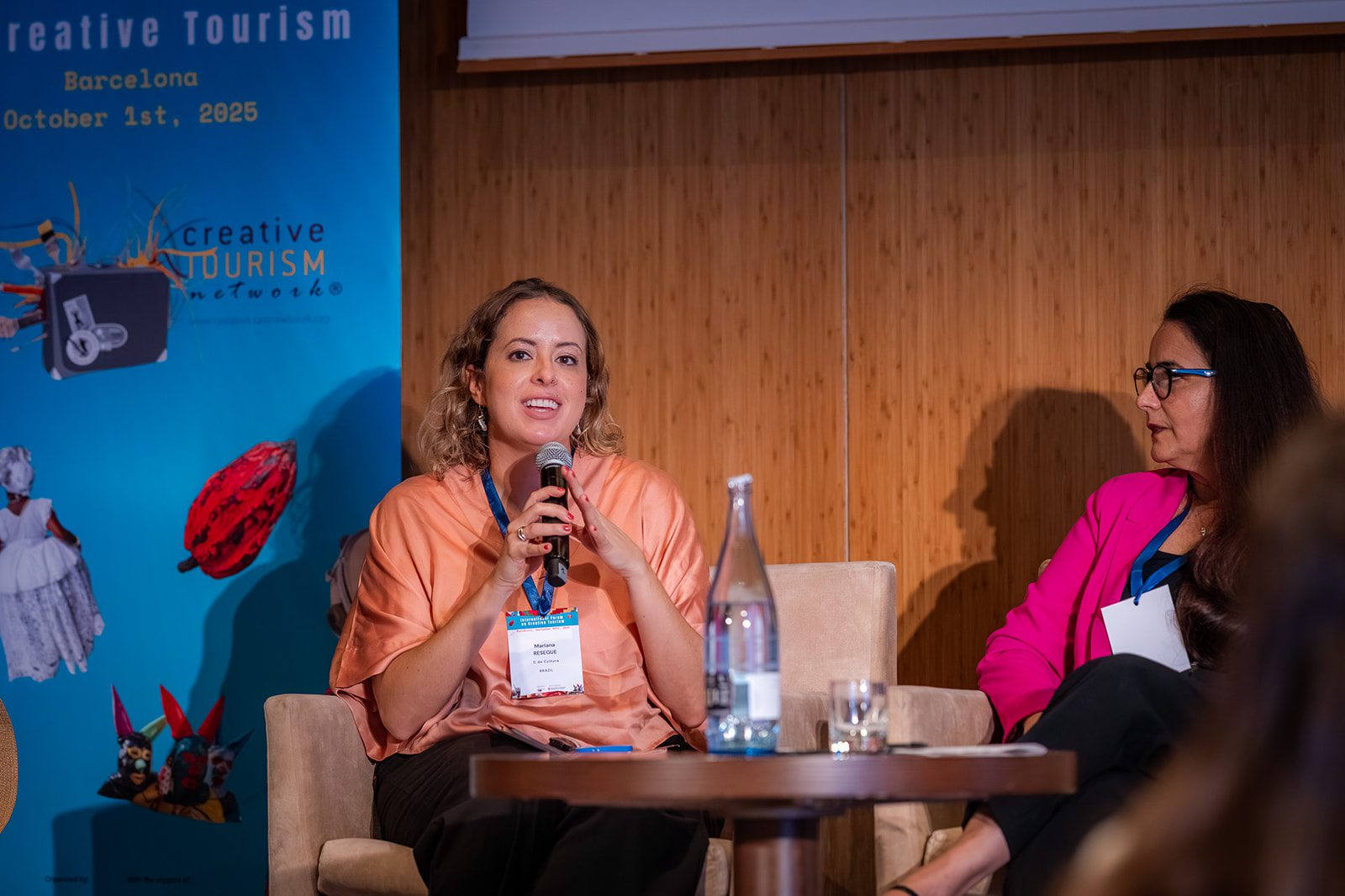
The panel on “Creative Tourism as a Tool for Sustainable Development” featured Mariana Resegue from C. de Cultura (Brazil), highlighting thriving initiatives in both rural and urban contexts. Dra. Simona Neumann (Romania) presented Visit Timis as a compelling case of regenerative tourism in Eastern Europe. Caroline Couret returned to spotlight the Culinary Route of Tunisia—an exemplary model of sustainable development implemented by the Creative Tourism Network®—where gastronomy, culture, and community involvement converge to foster inclusive and regenerative practices. Paula di Ioro Noverto, EU Project Manager at the Catalan Tourist Board, introduced Regener4MED, a Mediterranean initiative promoting regenerative tourism beyond conventional sustainability.
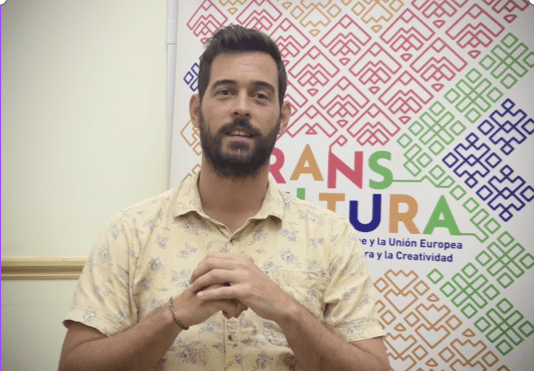
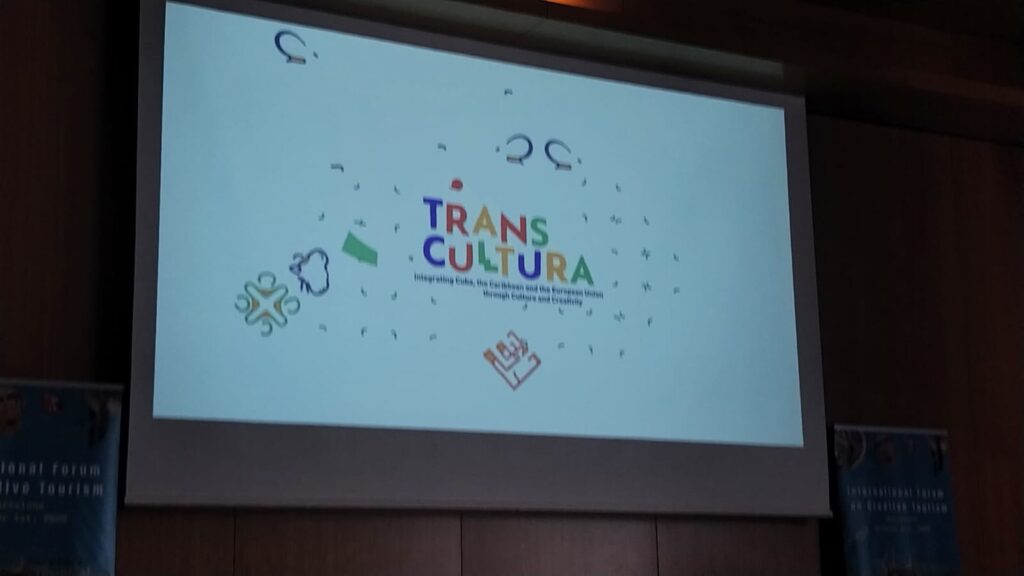
A video pitch from Adrian González González, coordinator of UNESCO’s Transcultura Program in Cuba, demonstrated how cultural creativity fosters regional integration between Cuba, the Caribbean, and the European Union. His intervention completed the webinar programed as a Mondiacult side event.
From UNESCO Creative Cities to Creative Tourism
The afternoon sessions explored the intersection of UNESCO Creative Cities and creative tourism.
Joana Miranda (Braga, Portugal), Jordi Hernàndez Prat (Terrassa, Catalonia), and María Elisa Holguín (Cali, Colombia) shared how media arts and film contribute to urban attractiveness and creative economies, ensuring that these new ecosystems benefit both residents and new traveler profiles.
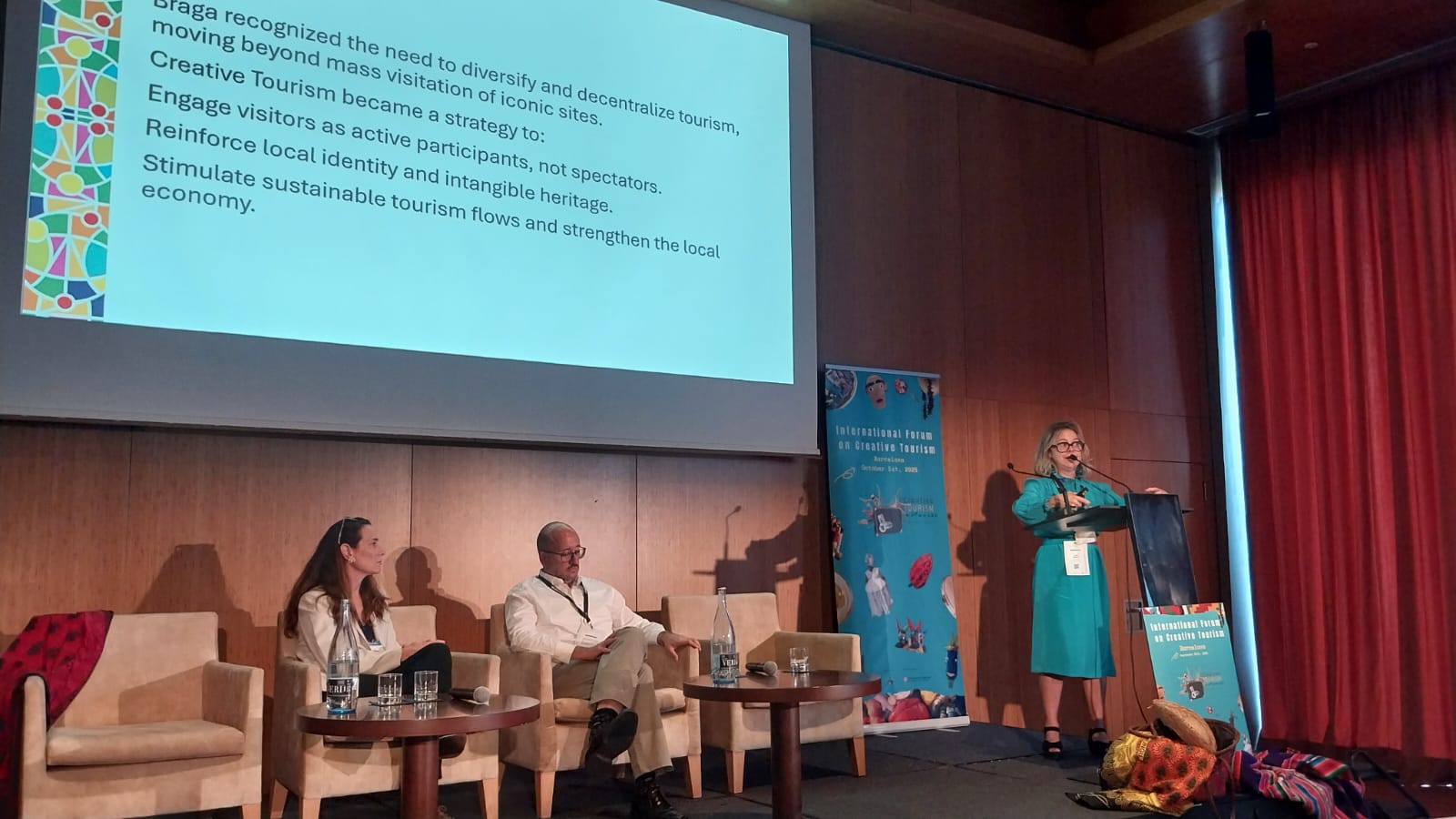
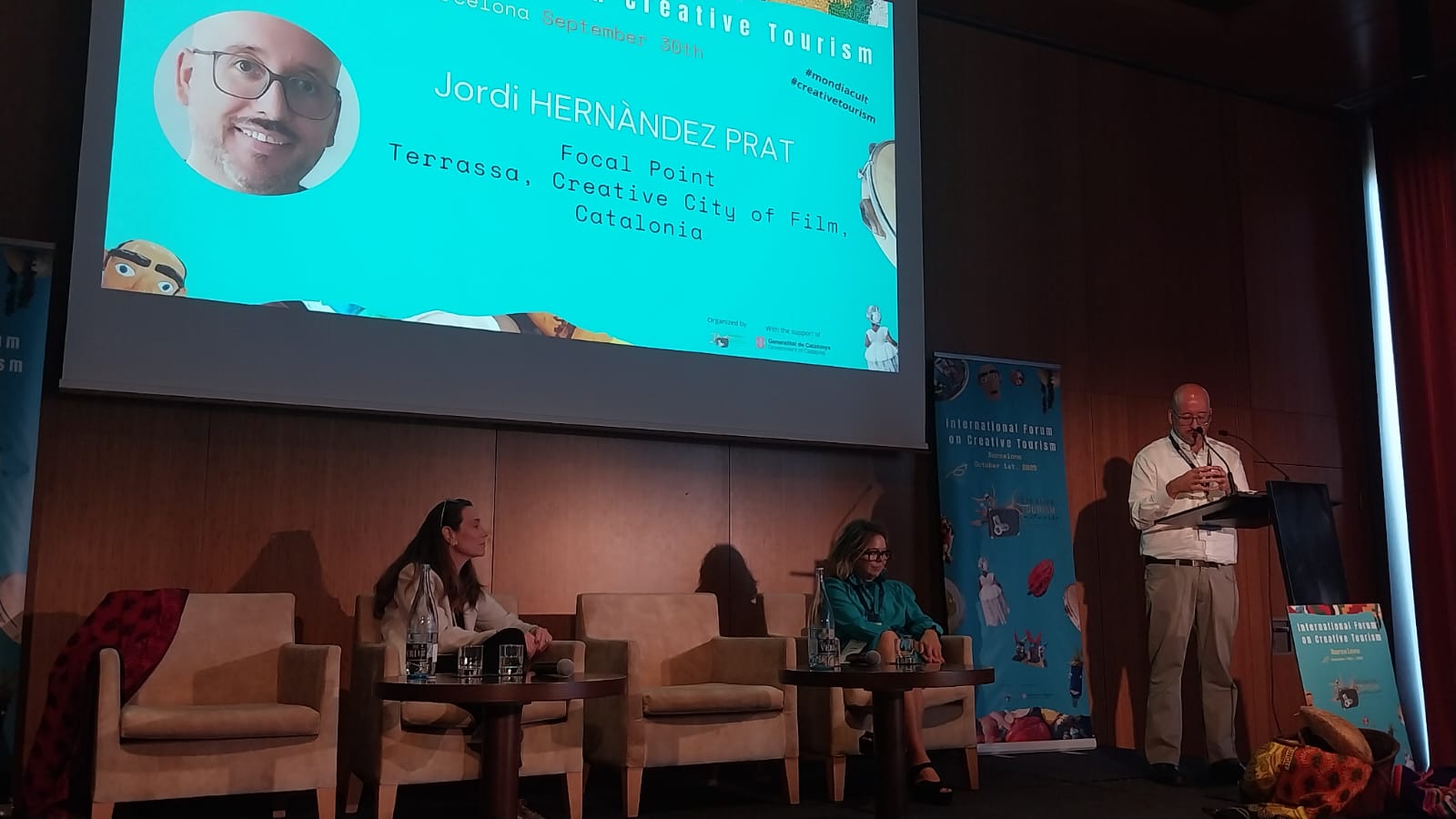
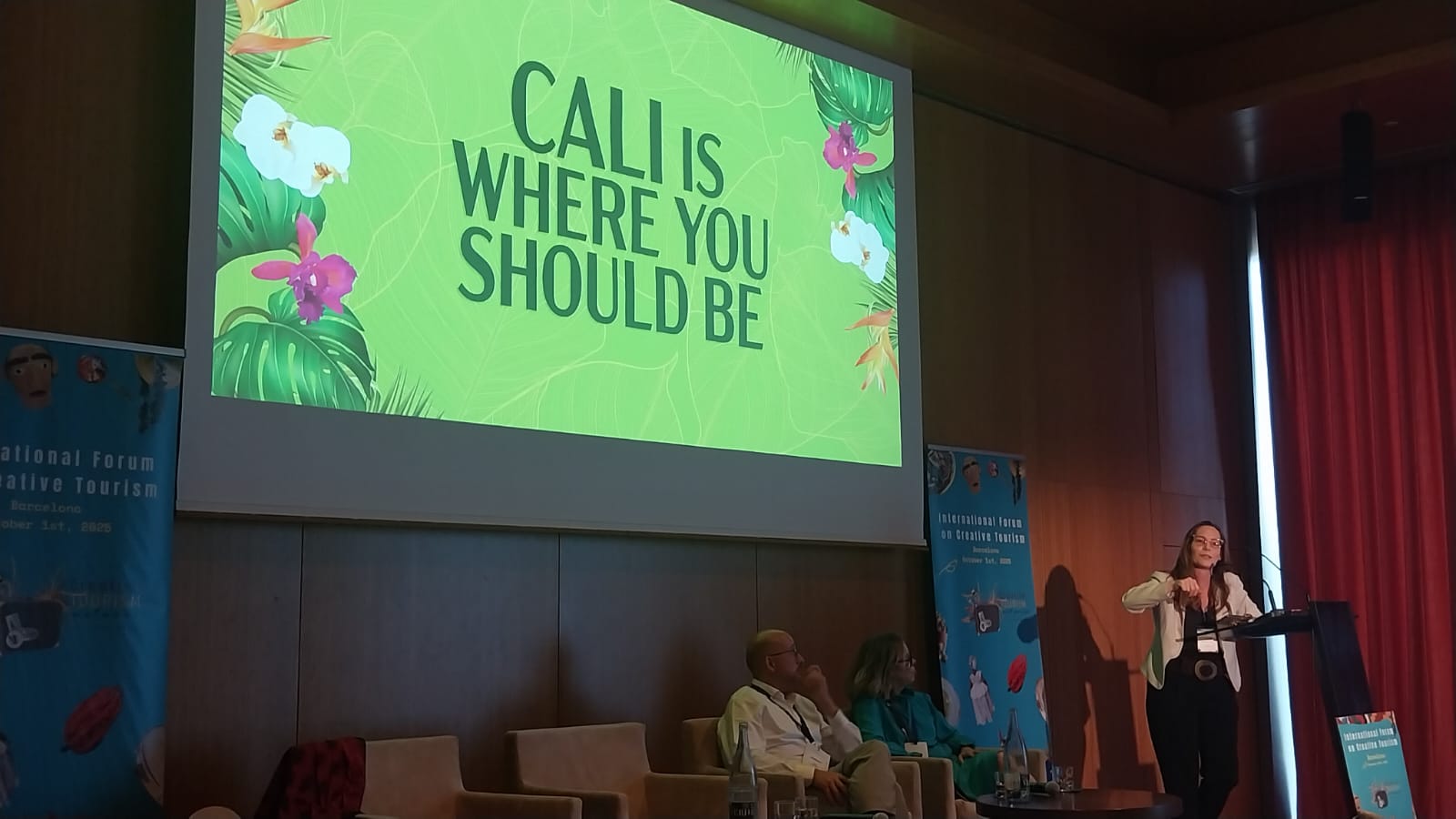
Gastronomy’s role in cultural diplomacy was illuminated by Orazio Belletini (Ecuador), who presented Manabí as a World Region of Gastronomy, and Colleen Swain (San Antonio, Texas), whose city’s designation as a UNESCO Creative City of Gastronomy exemplifies the diplomatic power of culinary arts.
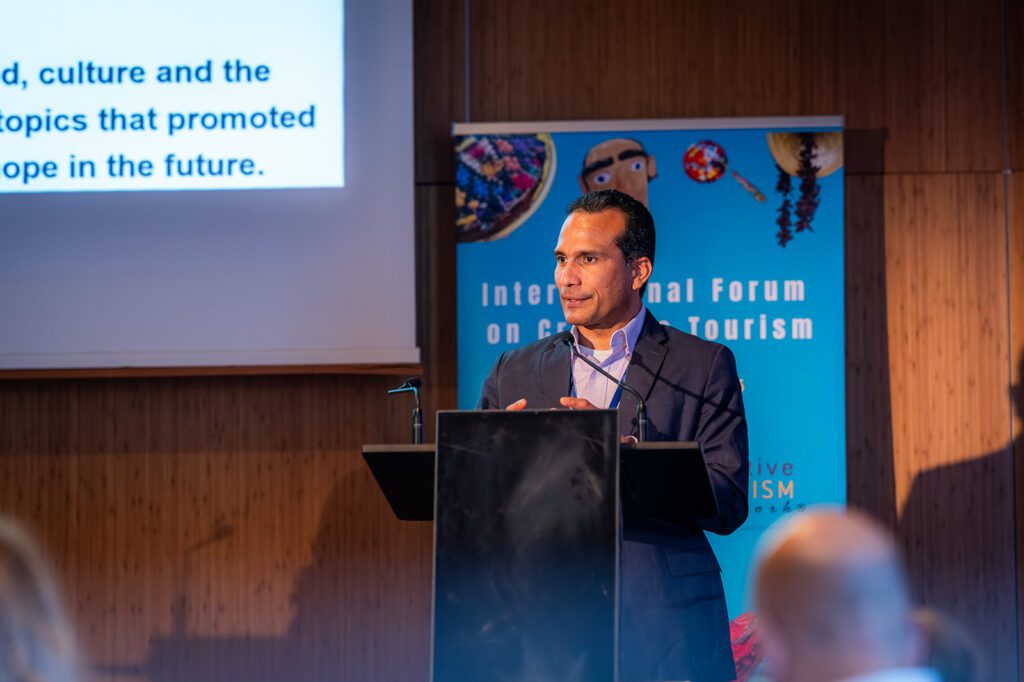
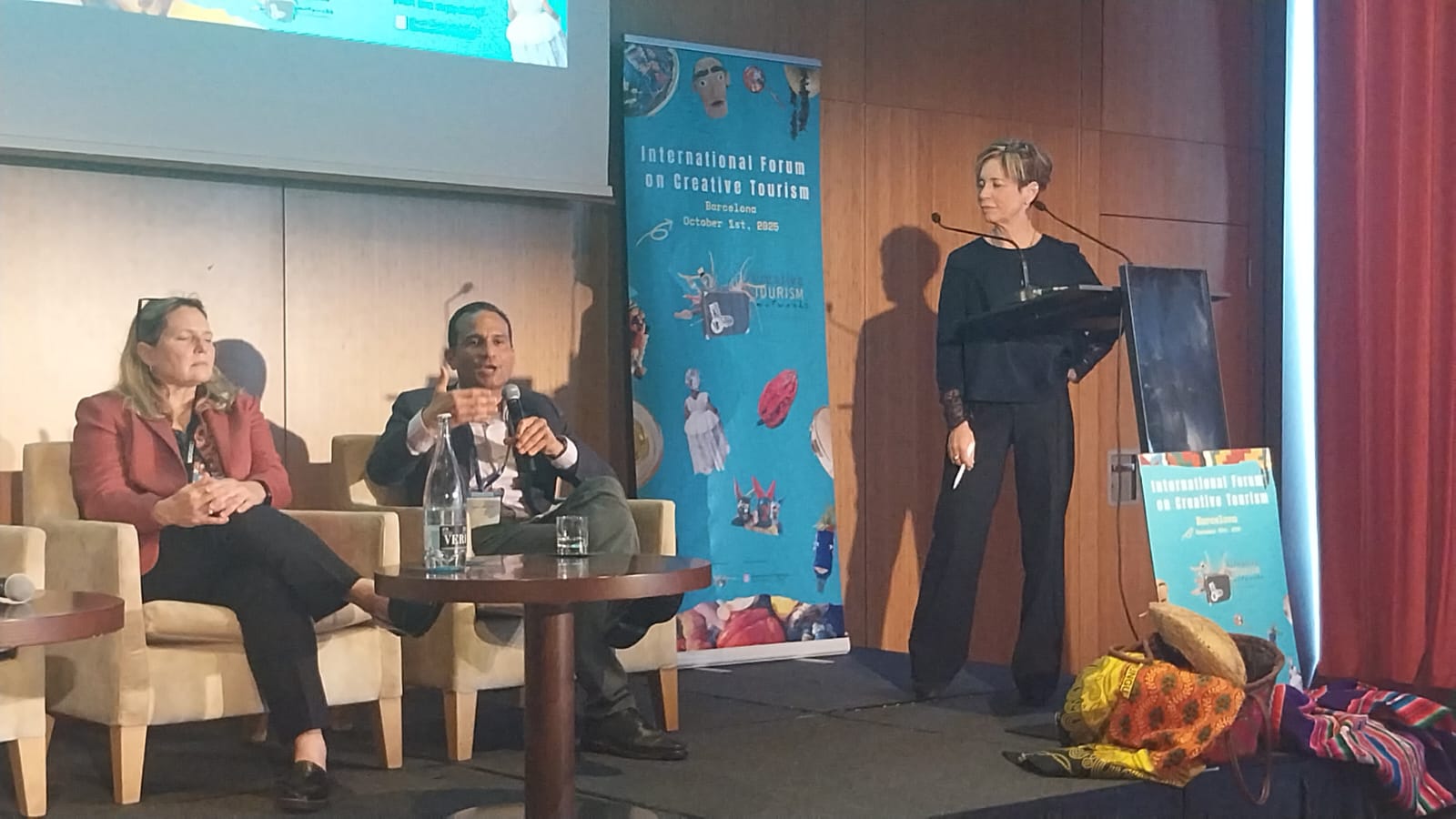
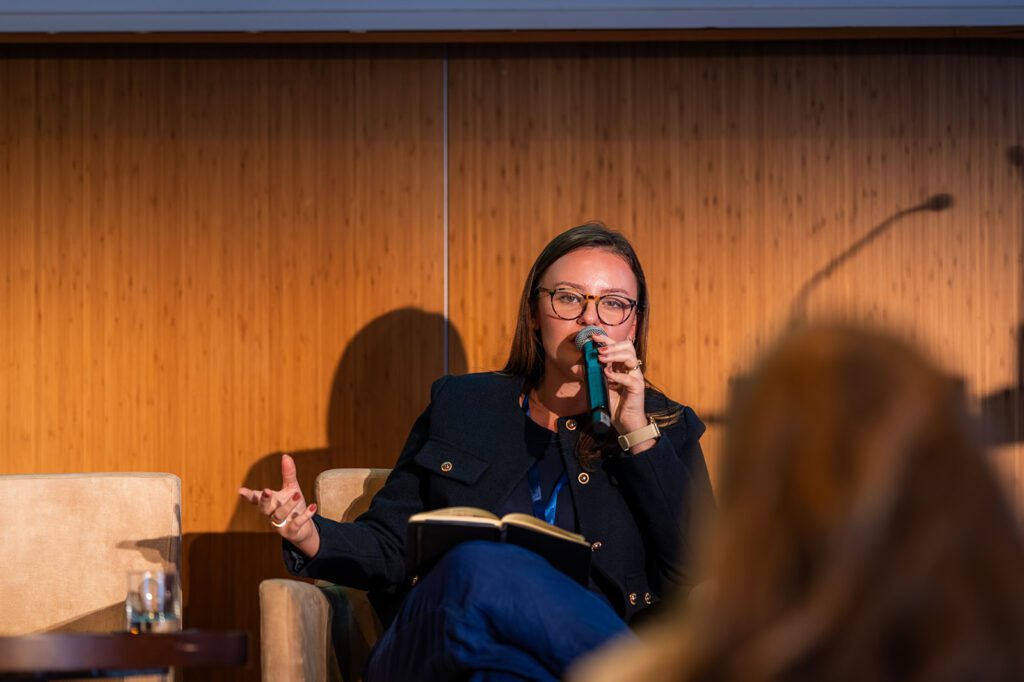
Mariana Salvadori, Project Officer at UNESCO Brazil, discussed governance models that integrate creative tourism principles to promote sustainable local development—demonstrating how policy frameworks can support regenerative tourism.
The program culminated in a vibrant panel titled “Creative Cities of Music + Creative Tourism = Sound Diplomacy,” where Dorotea Solomun (Varaždin), Sandra Wall (Norrköping), and Anna Tarnowska (Bydgoszcz) presented diverse approaches to music tourism and sound diplomacy, illustrating how sonic heritage fosters cultural exchange and economic opportunity.
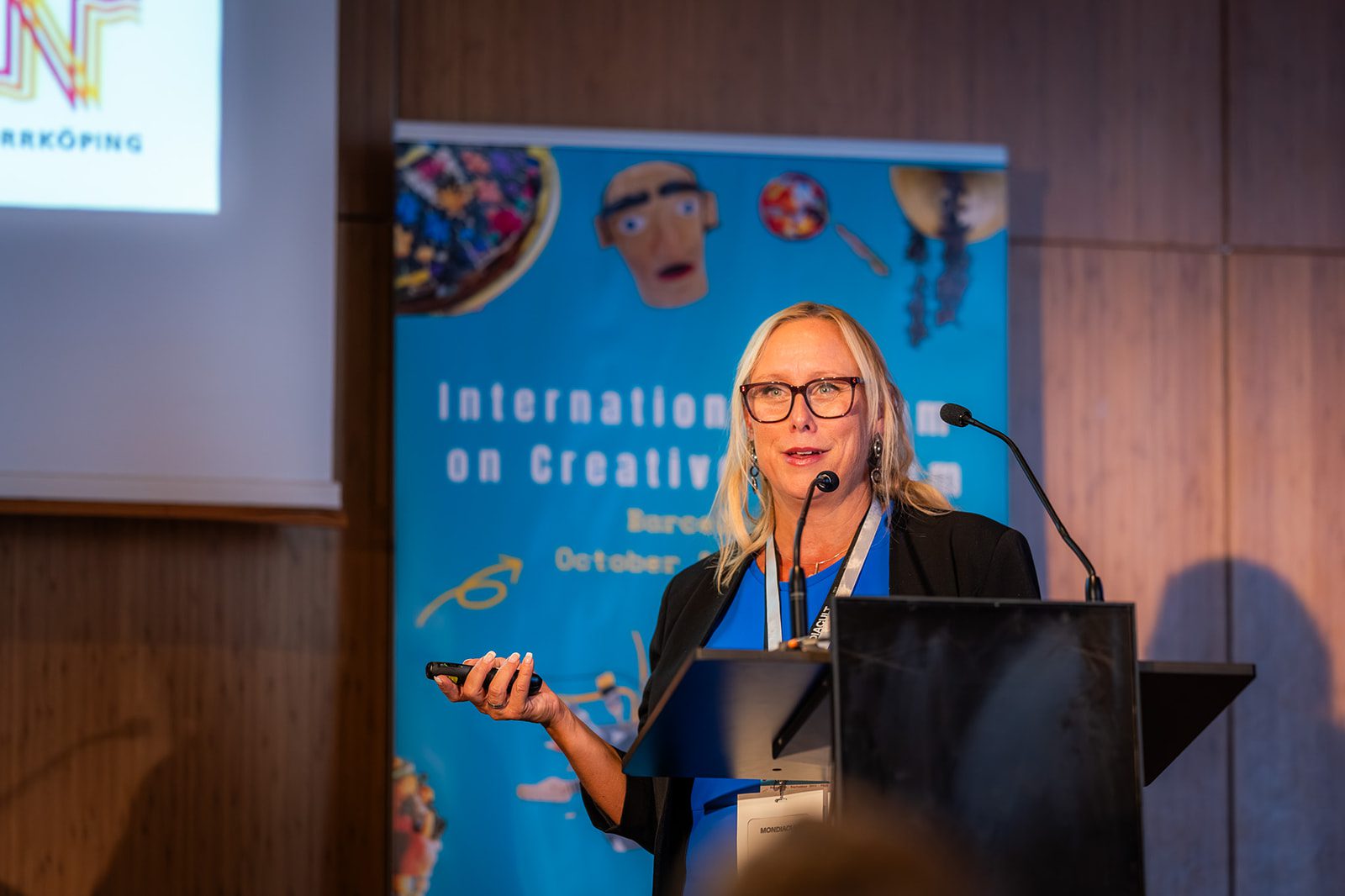
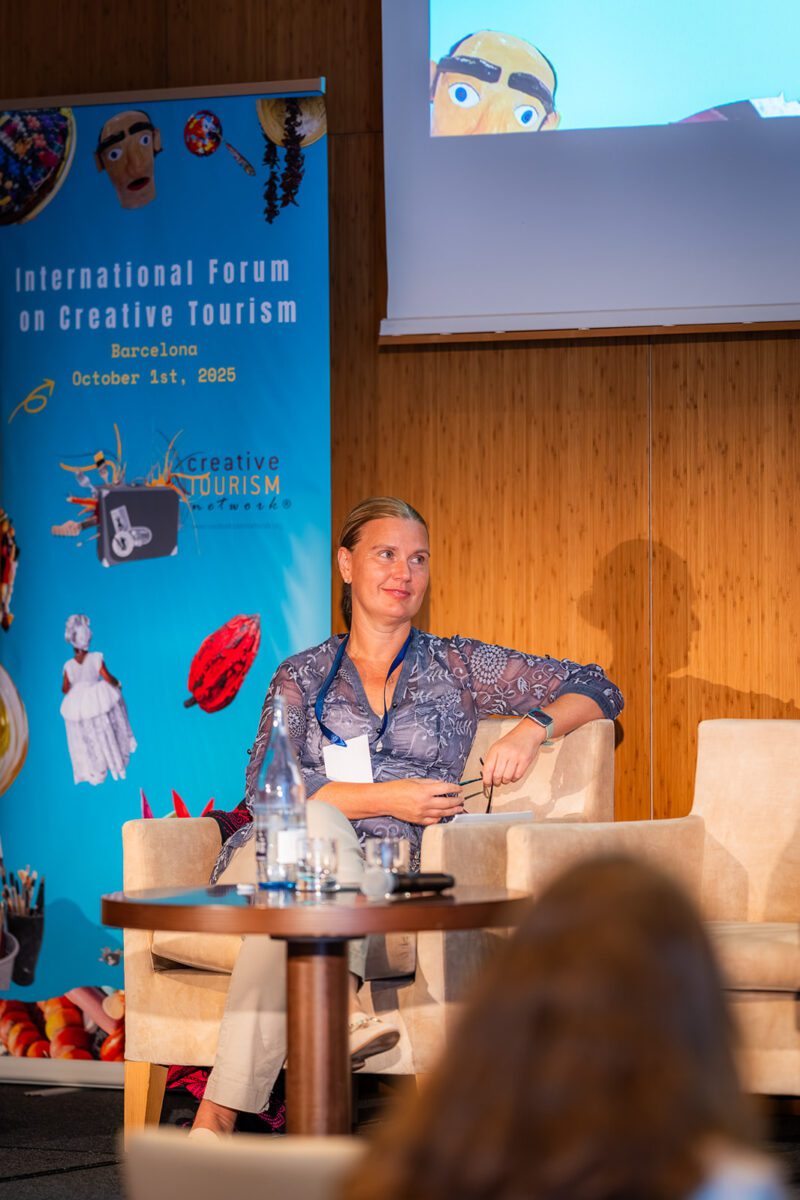
A final video pitch highlighted Bogotá’s dynamic cultural scene, presented by Santiago Trujillo, Secretary of Culture of Bogotá, Colombia, underscoring the city’s emergence as a vibrant hub for creative tourism in Latin America. The closing video, presented by Dr. Gábor Soós, Secretary-General of the Hungarian National Commission for UNESCO, offered a powerful reflection from within the Ministry of Culture and Innovation.
The Forum closed with the launch of the co-creation of the Creative Tourism Global Charter—a guiding framework for inclusive, sustainable, and regenerative tourism that will celebrate the spirit of collaboration and charts a bold path forward toward a reimagined tourism landscape.
This event marks a defining inflection point in the evolution of creative tourism.
As Caroline Couret declared,
“A new era of creative tourism is starting now—one that will attract projects and destinations of all kinds, willing to impact positively on the planet and society.”
Transcultura 
International Forum on creative Tourism 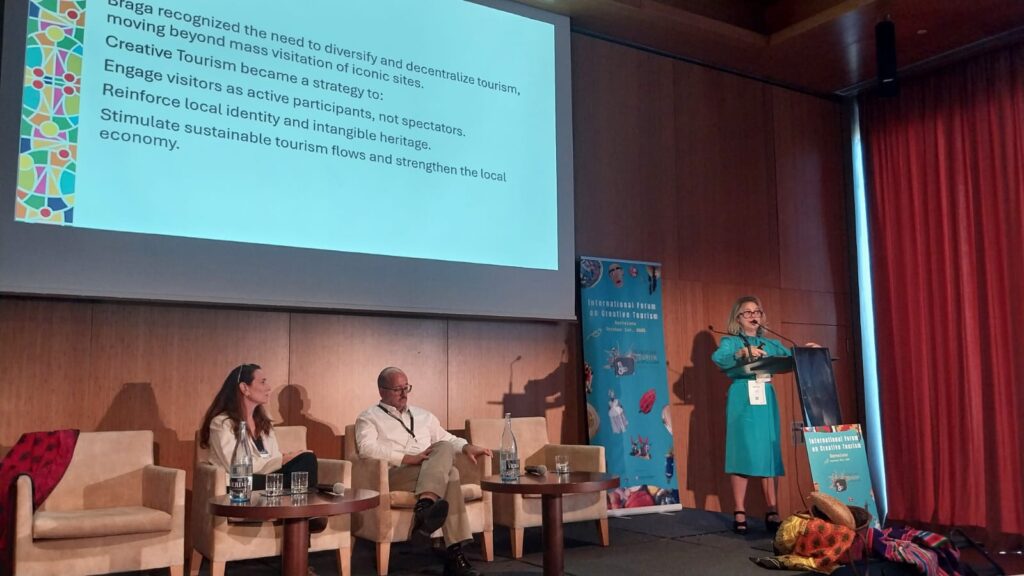
International Forum on Creative Tourism 
International Forum on Creative Tourism 
International Forum on Creative Tourism 
International Forum on Creative Tourism 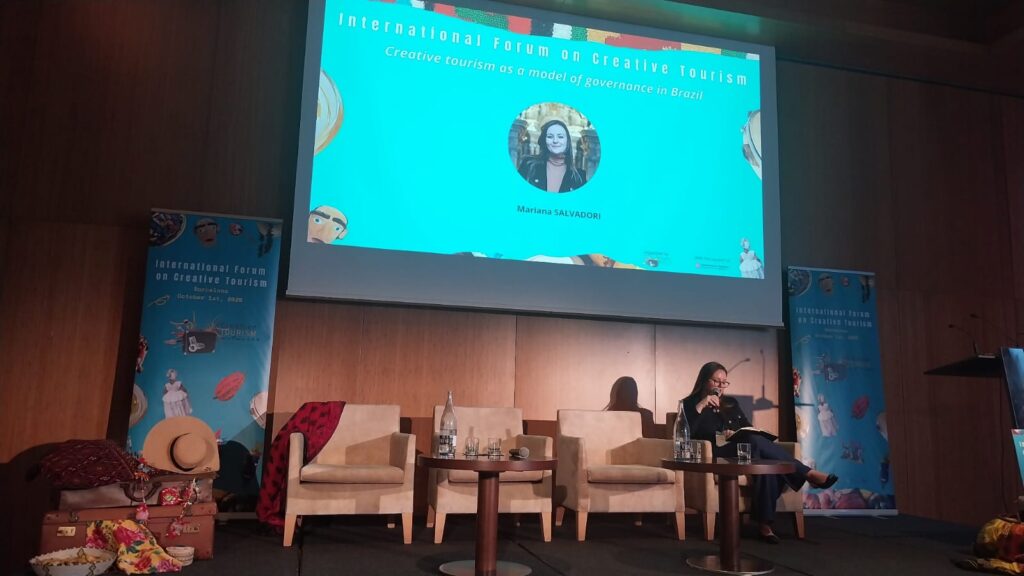
International Forum on Creative Tourism 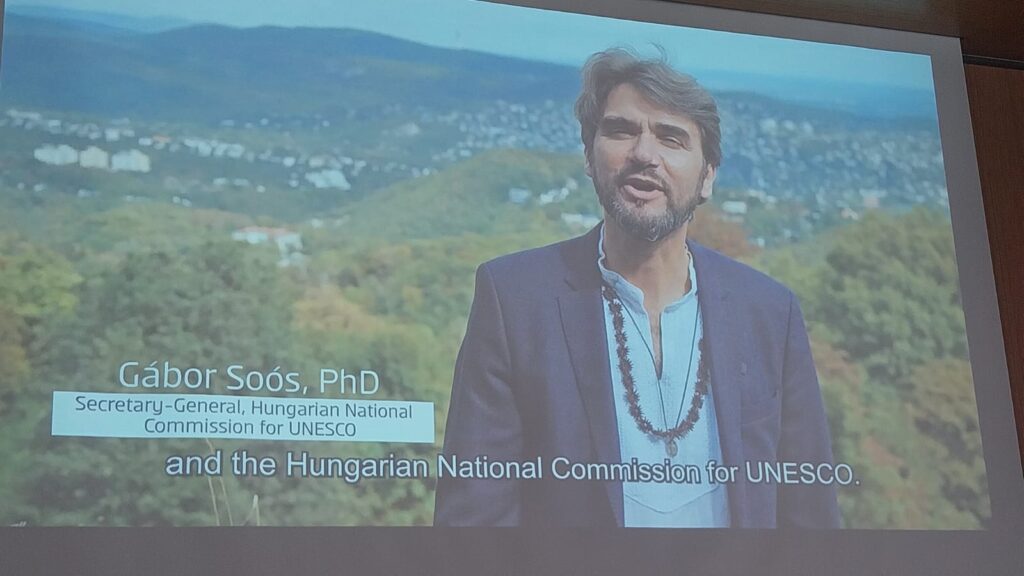
International Forum on Creative Tourism 
International Forum on Creative Tourism 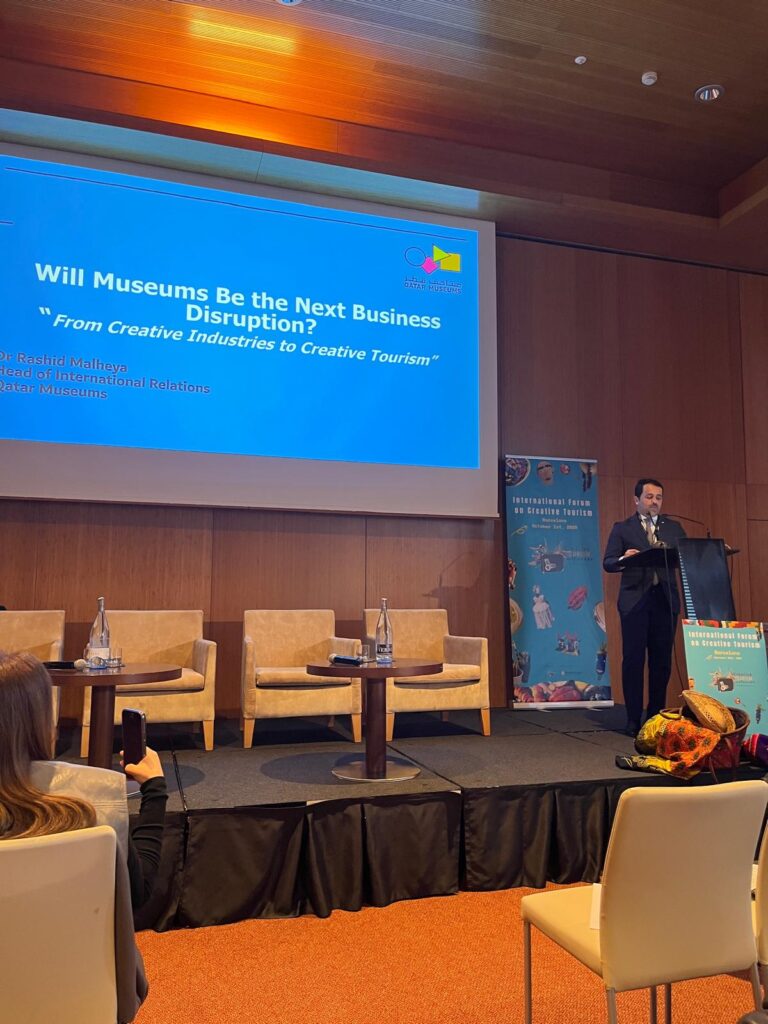
International Forum on Creative TourismreativeTourism (16) 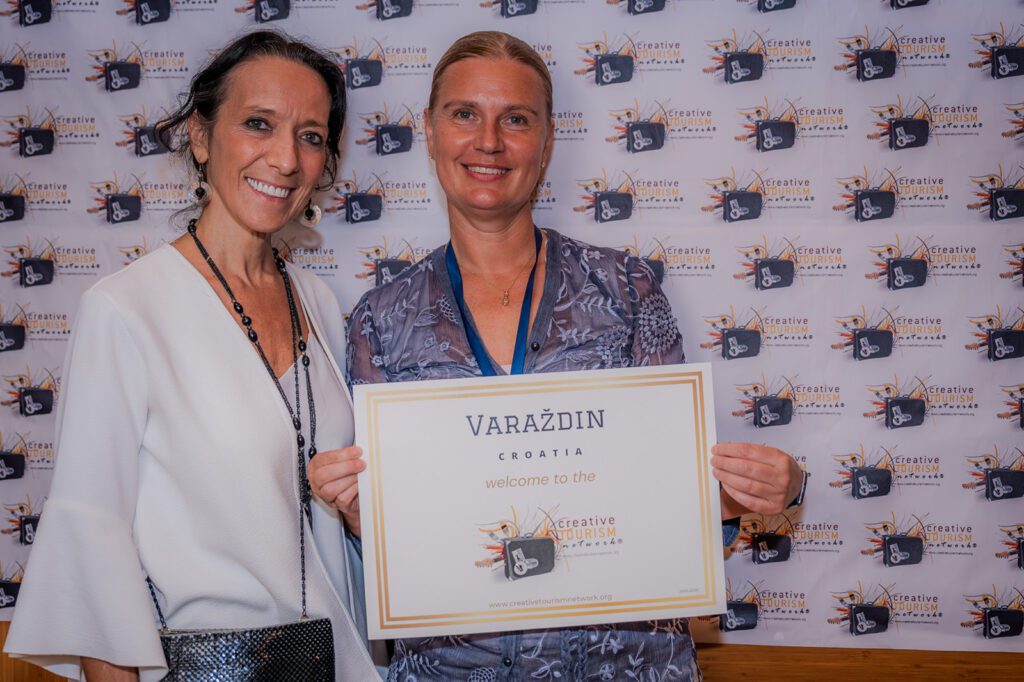
International Forum on creative Tourism 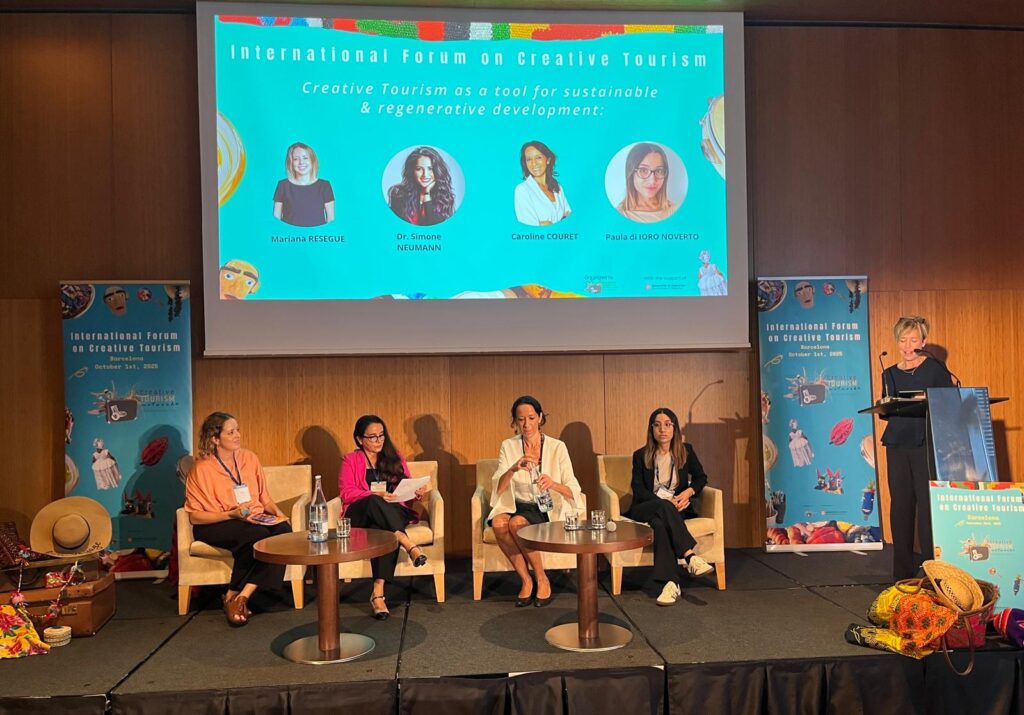
International Forum on Creative Tourism 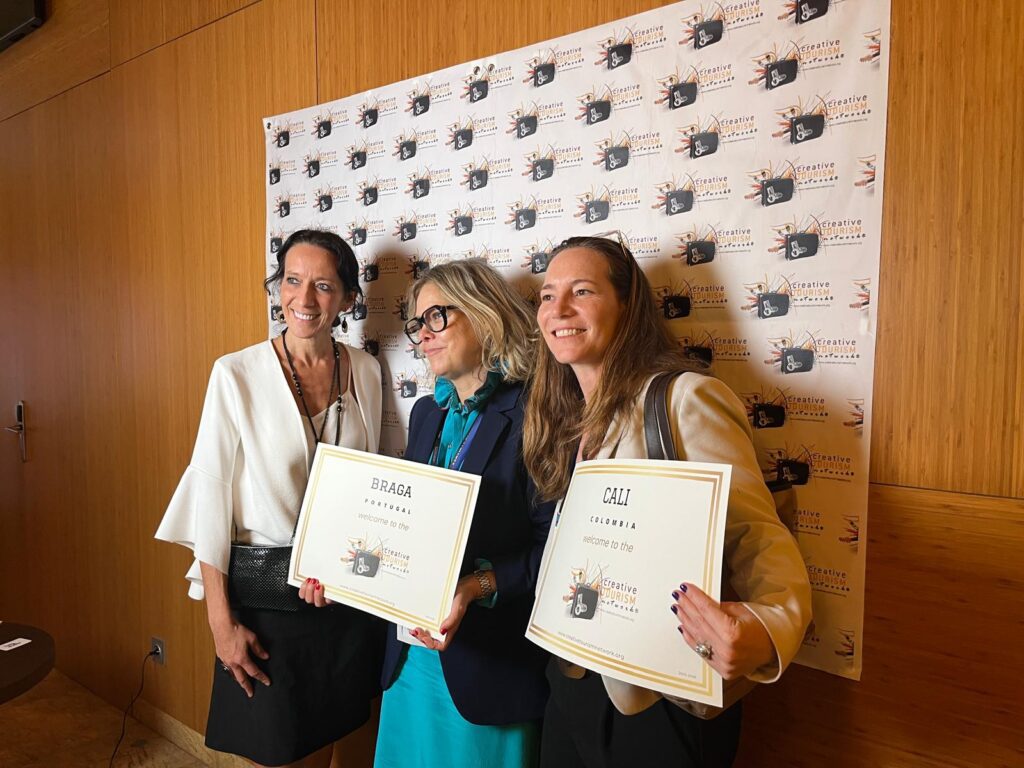
International Forum on Creative Tourism 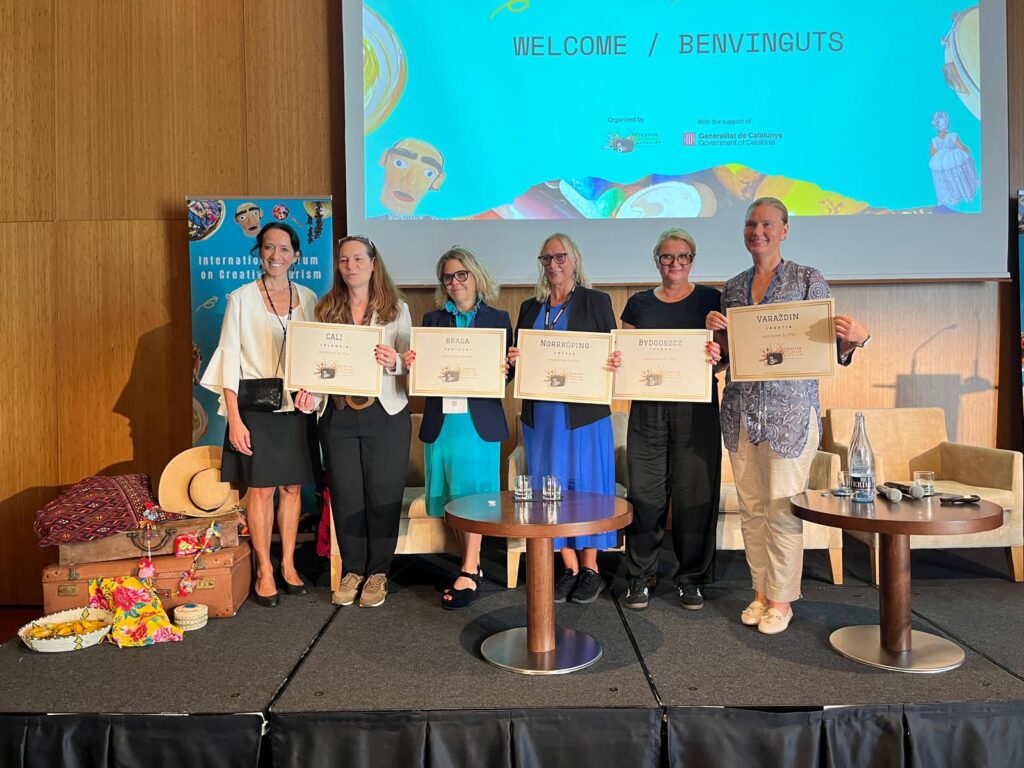
International Forum on Creative Tourism 
International Forum on creative Tourism 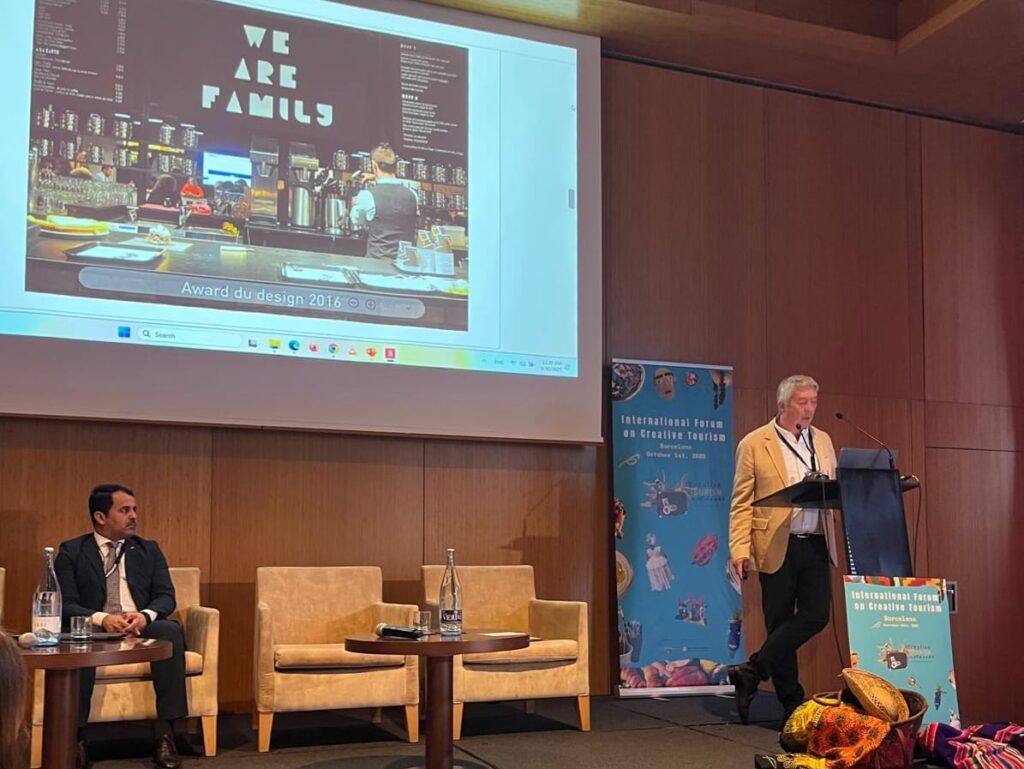
International Forum on Creative Tourism 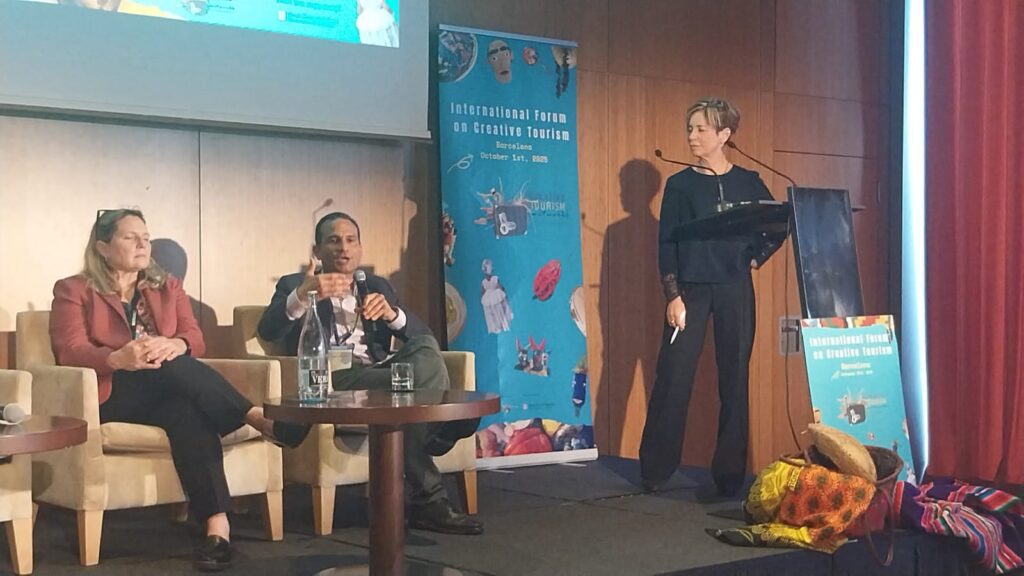
International Forum on Creative Tourism 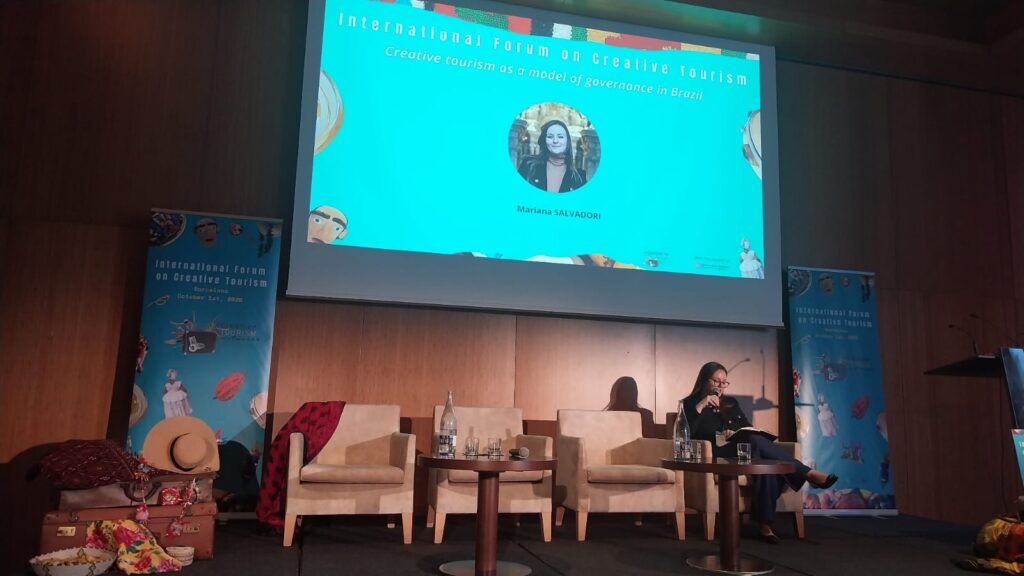
International Forum on Creative Tourism 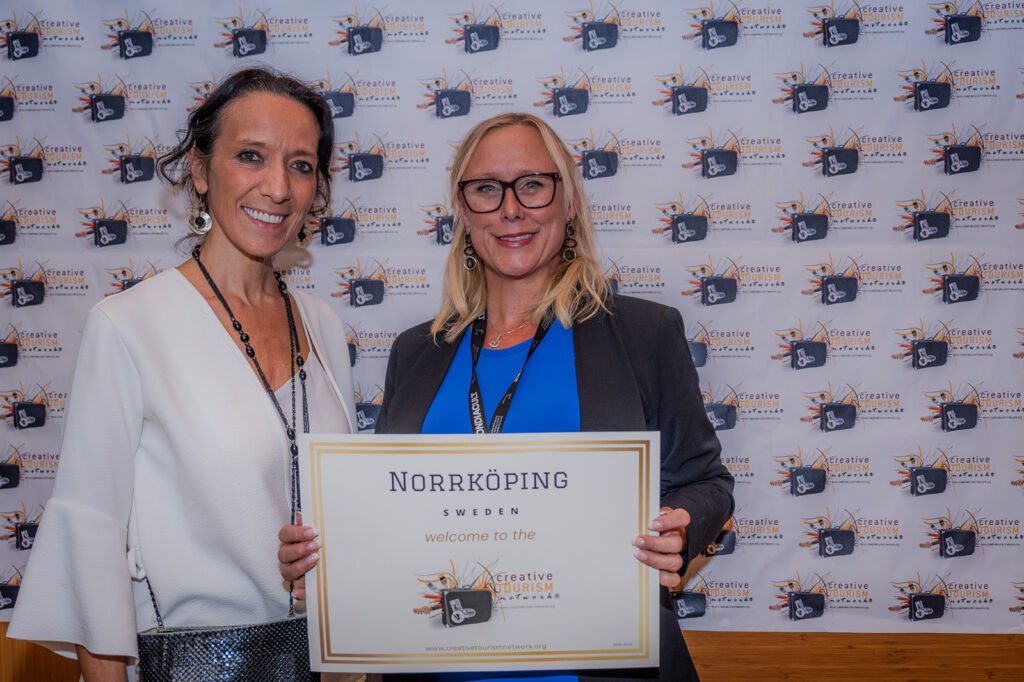
International Forum on creative Tourism 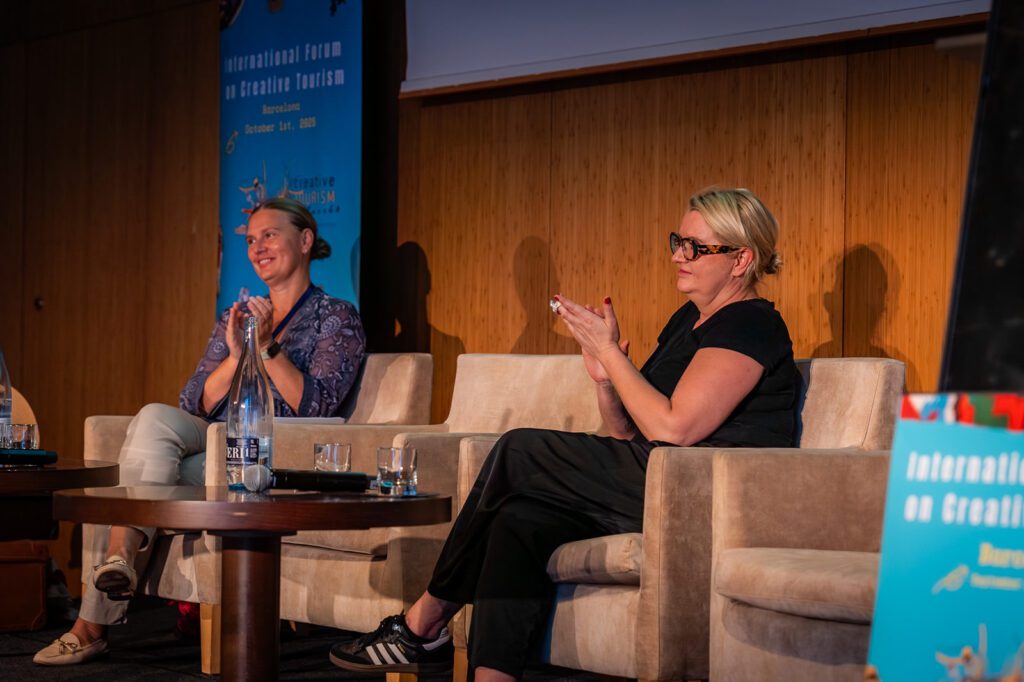
International Forum on creative Tourism 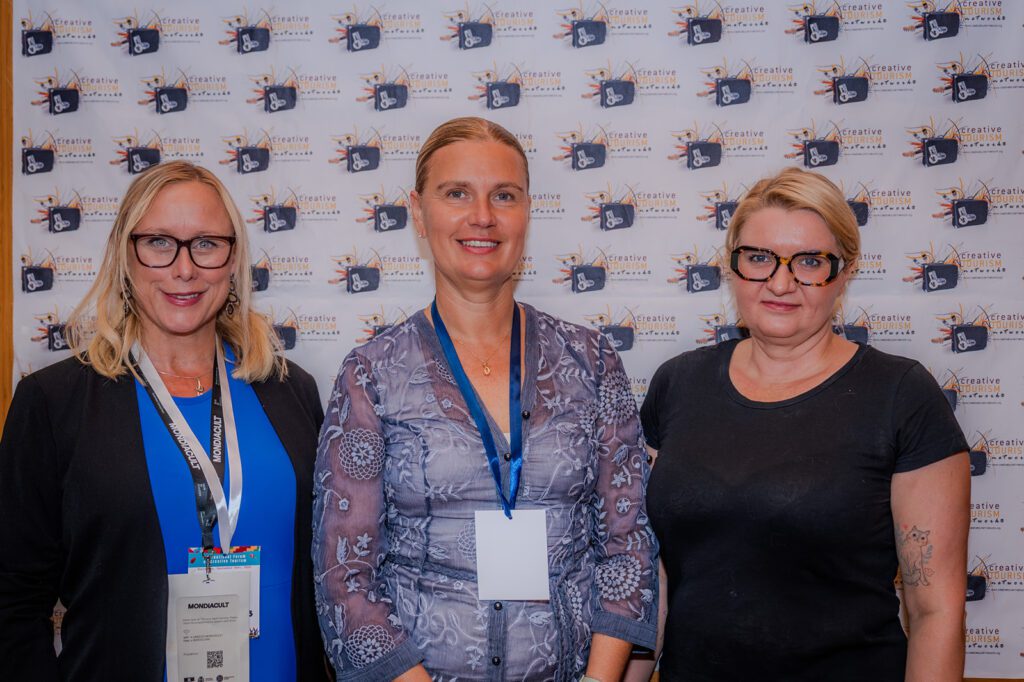
International Forum on creative Tourism 
International Forum on creative Tourism 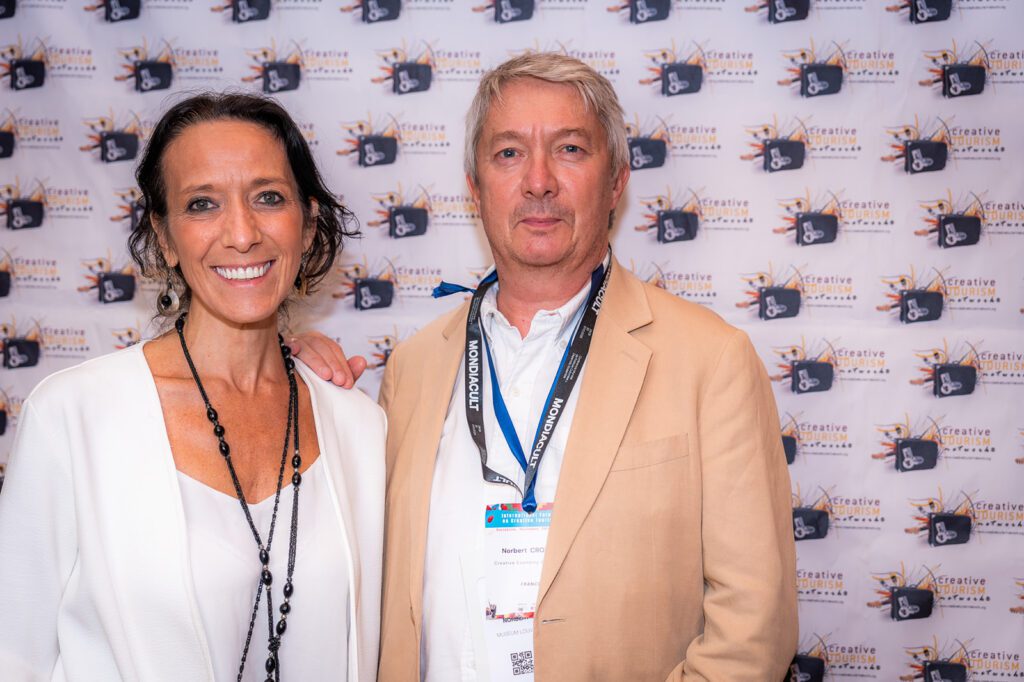
International Forum on creative Tourism 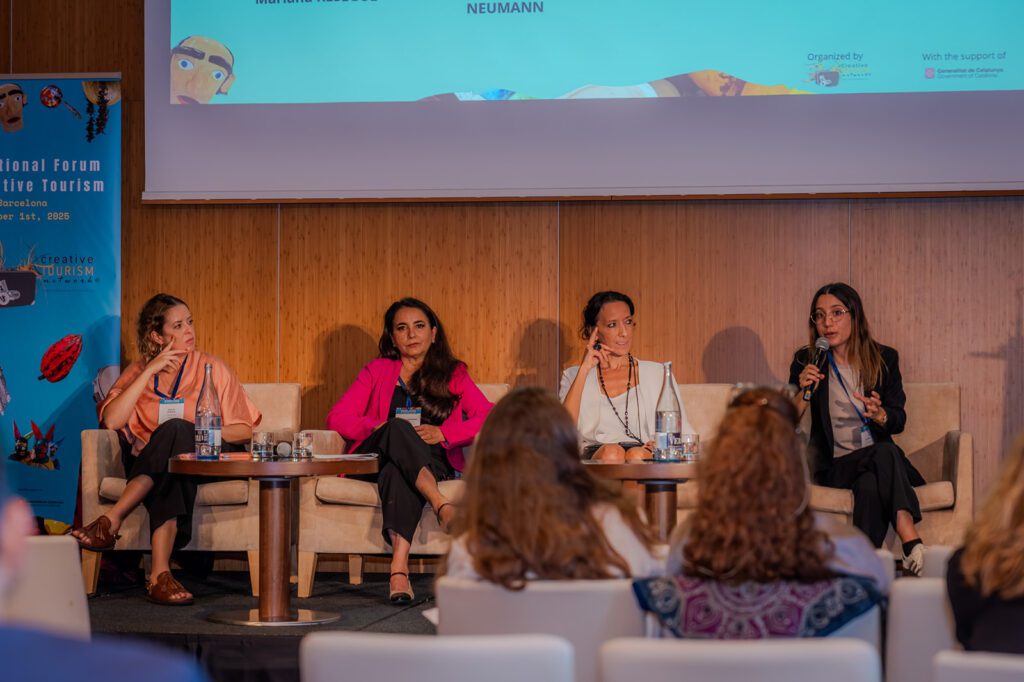
International Forum on creative Tourism 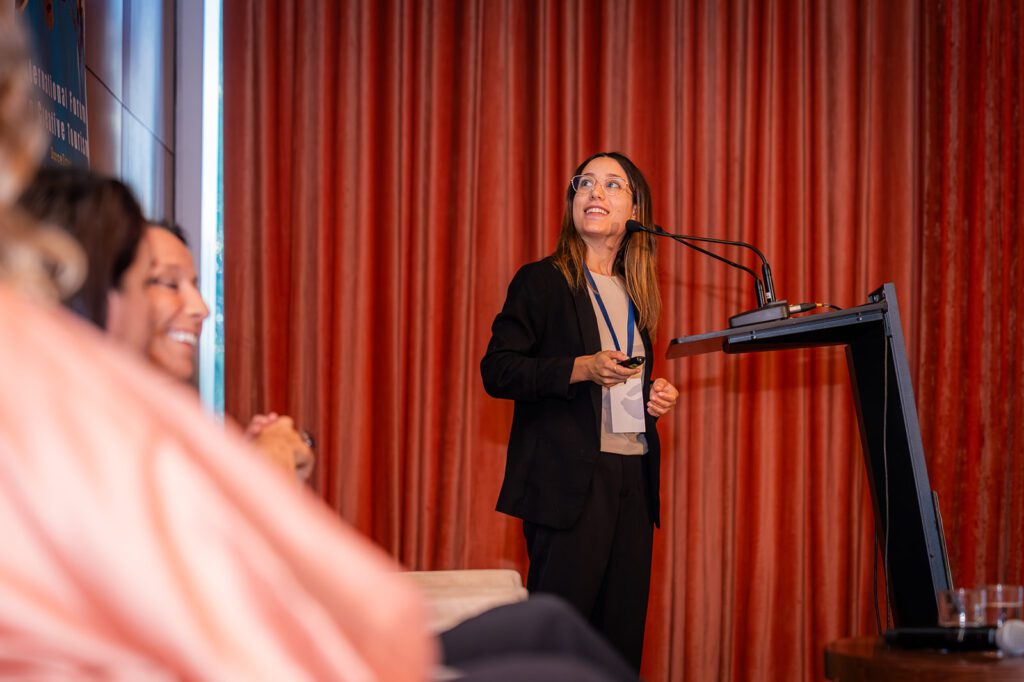
International Forum on creative Tourism 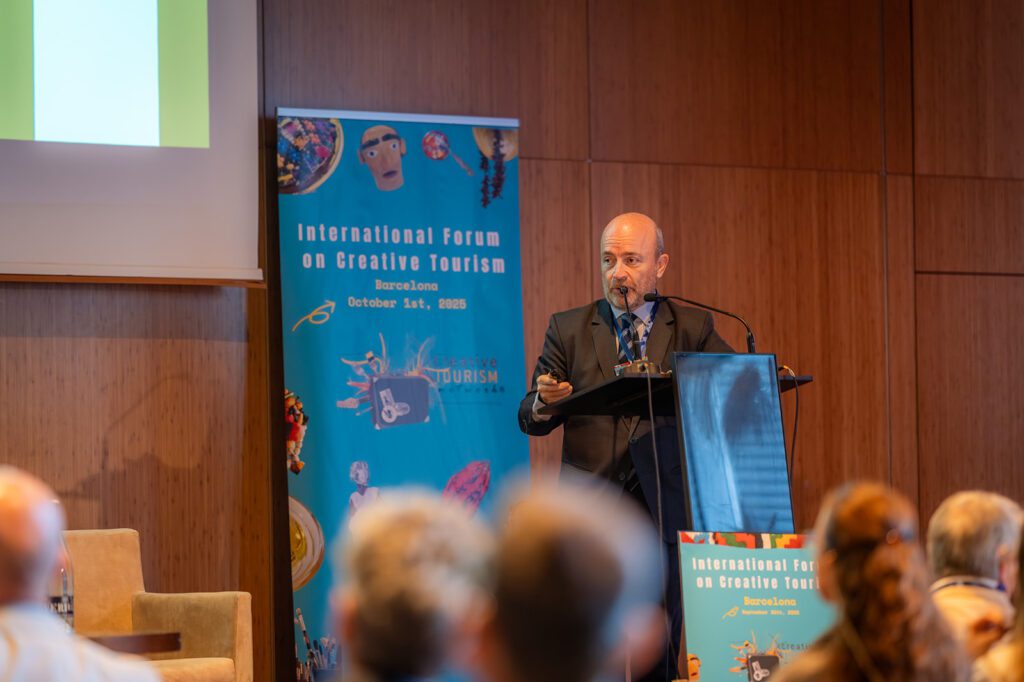
International Forum on creative Tourism 
International Forum on creative Tourism 
International Forum on creative Tourism 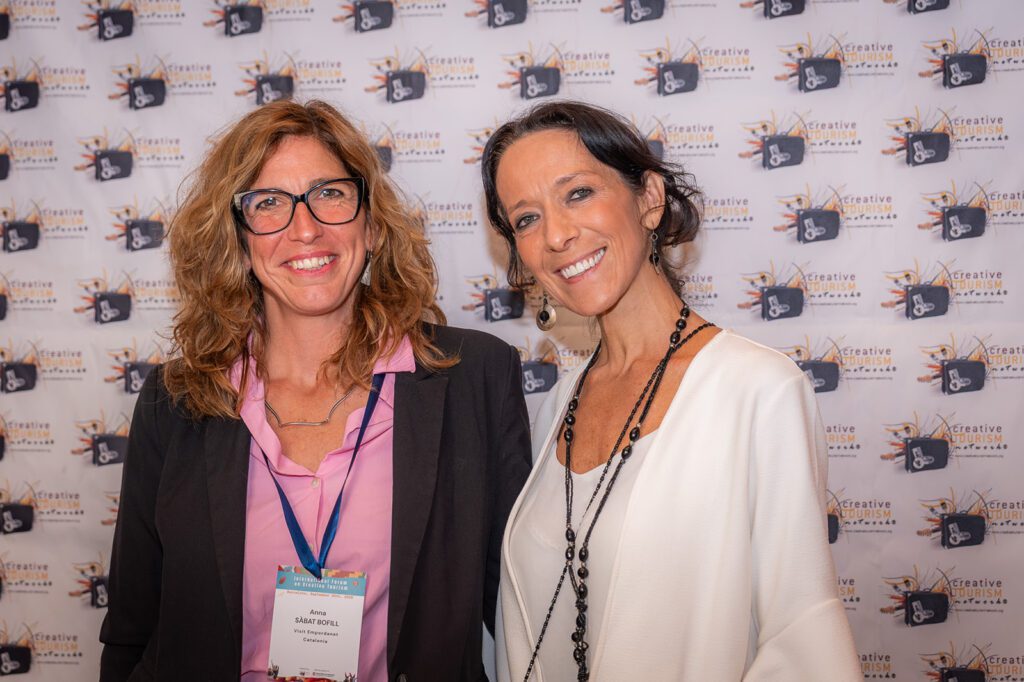
International Forum on creative Tourism 
International Forum on creative Tourism 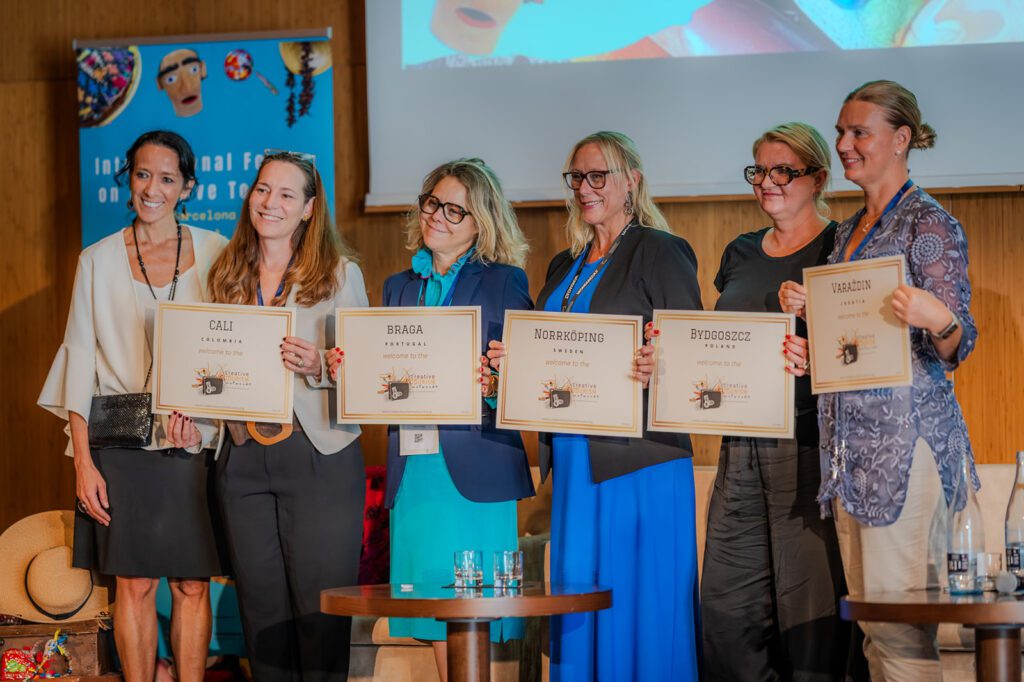
International Forum on creative Tourism 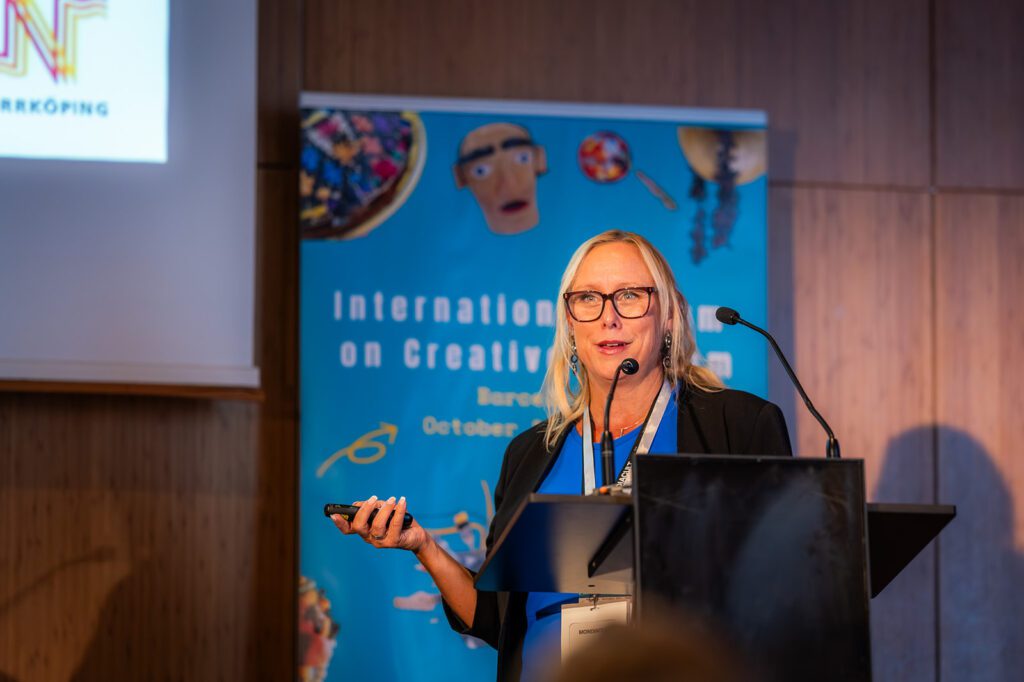
International Forum on creative Tourism 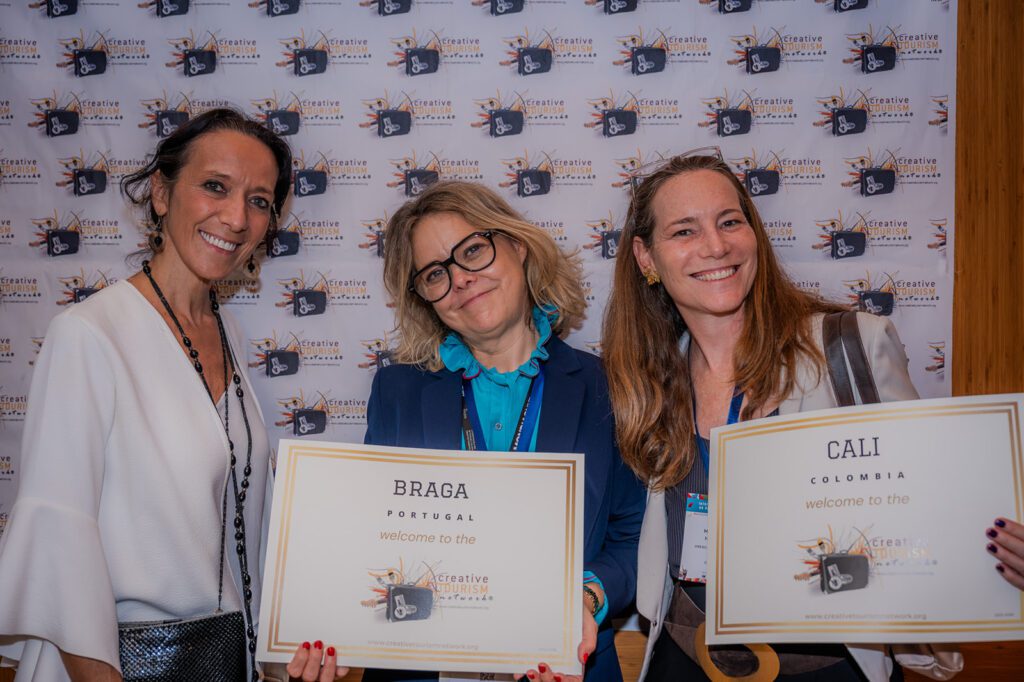
International Forum on creative Tourism 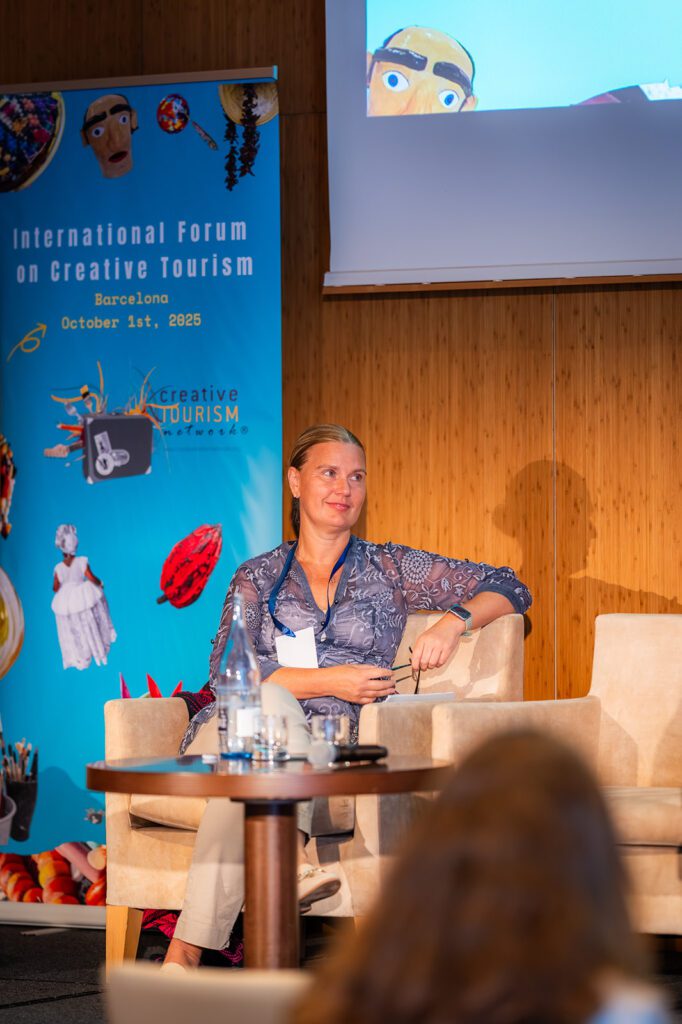
International Forum on creative Tourism 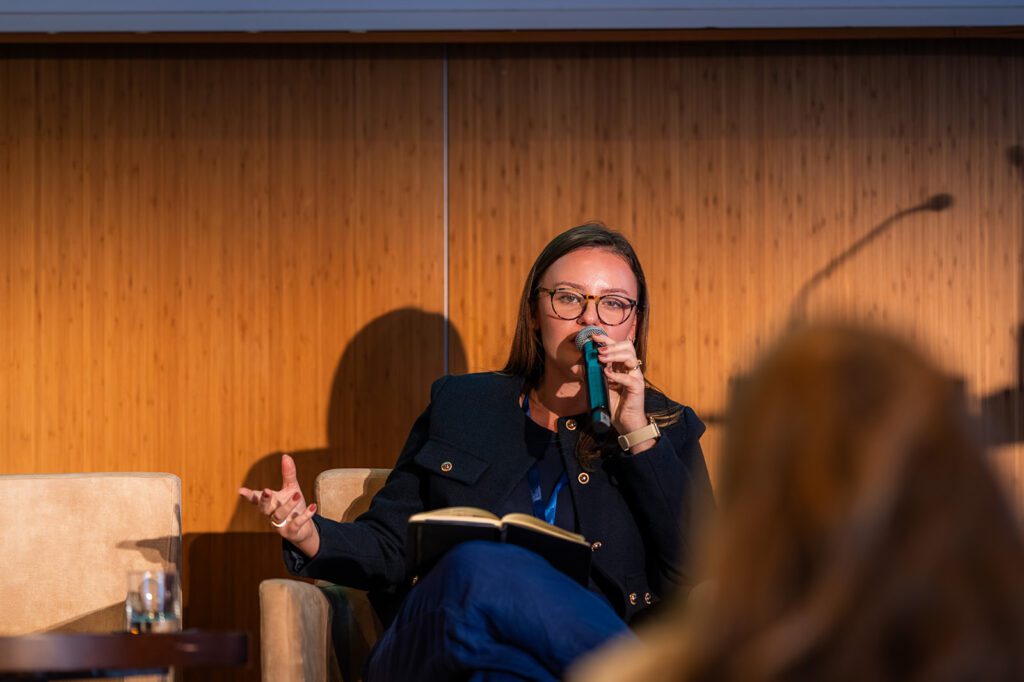
International Forum on creative Tourism 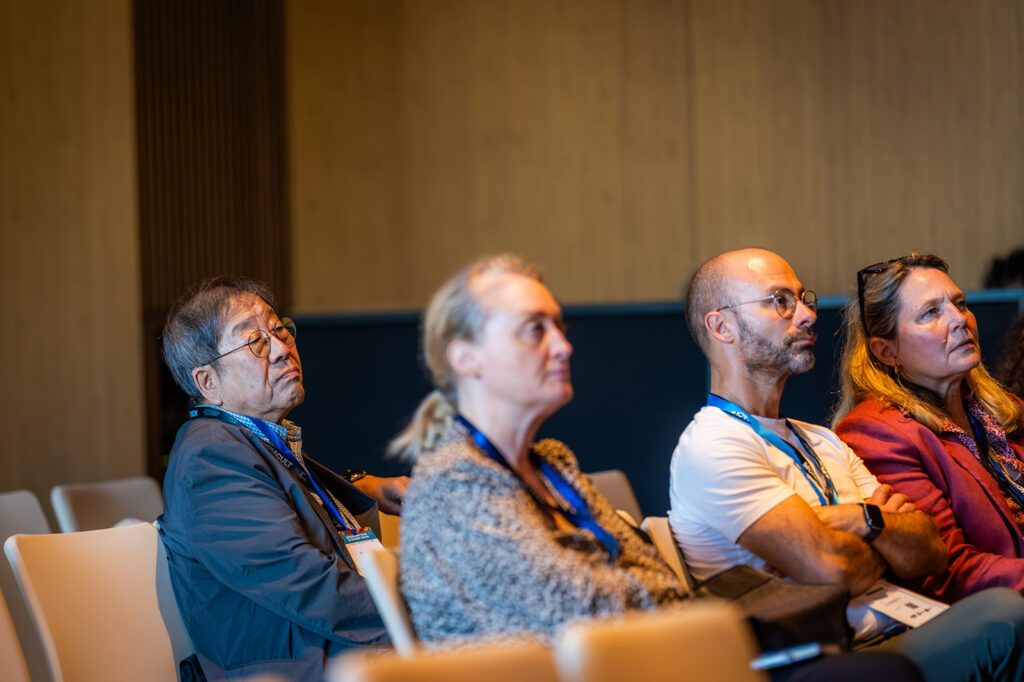
International Forum on creative Tourism 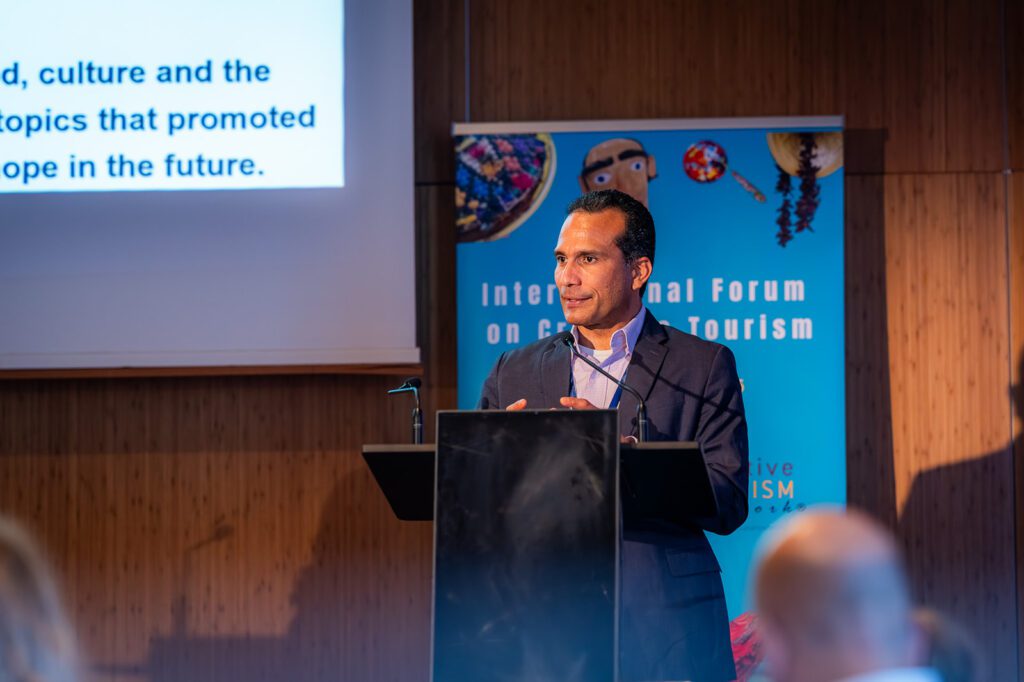
International Forum on creative Tourism 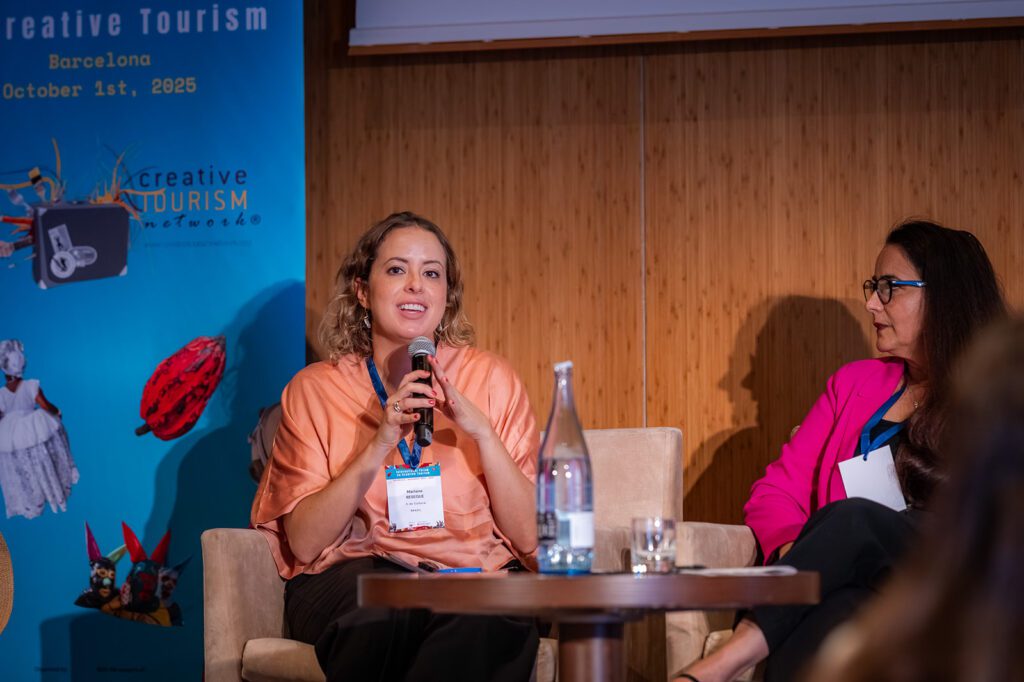
International Forum on creative Tourism 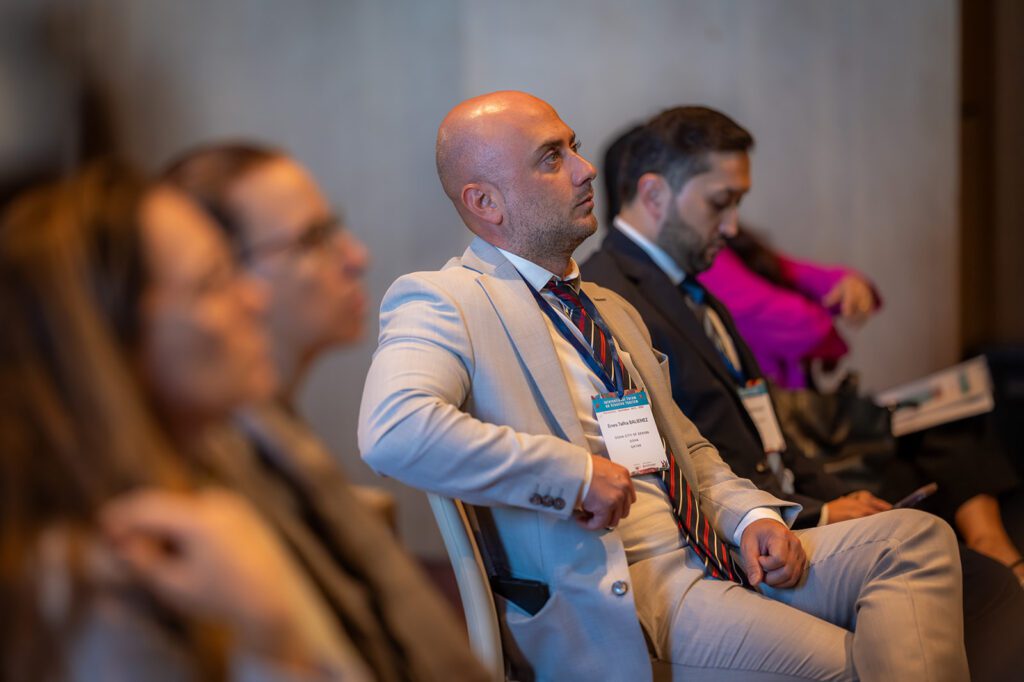
International Forum on creative Tourism 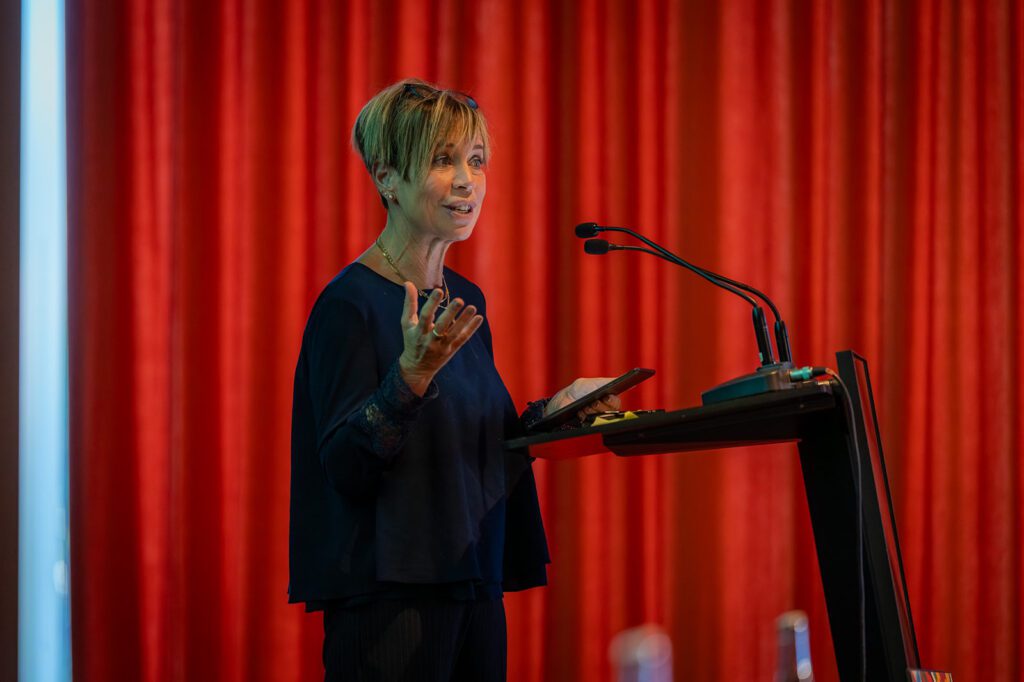
International Forum on creative Tourism 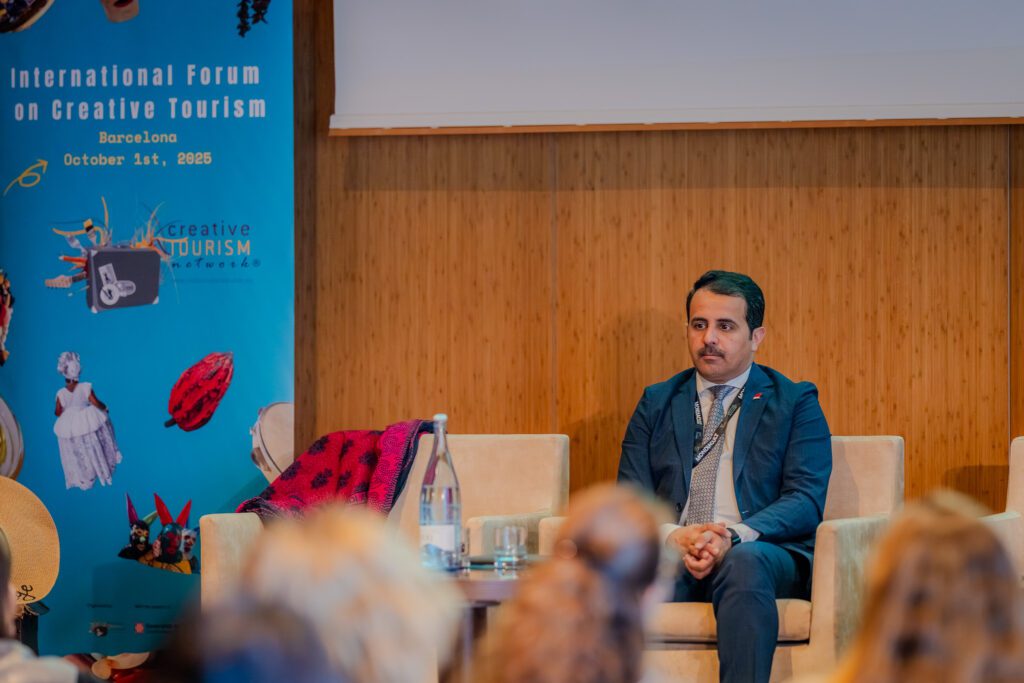
International Forum on Creative Tourism 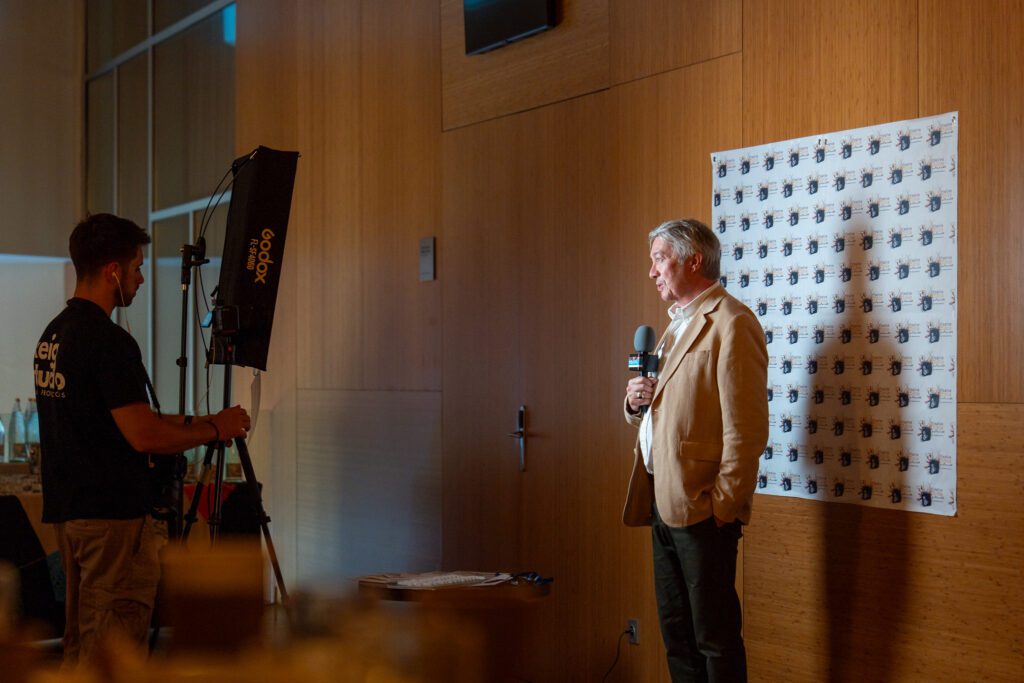
International Forum on Creative Tourism 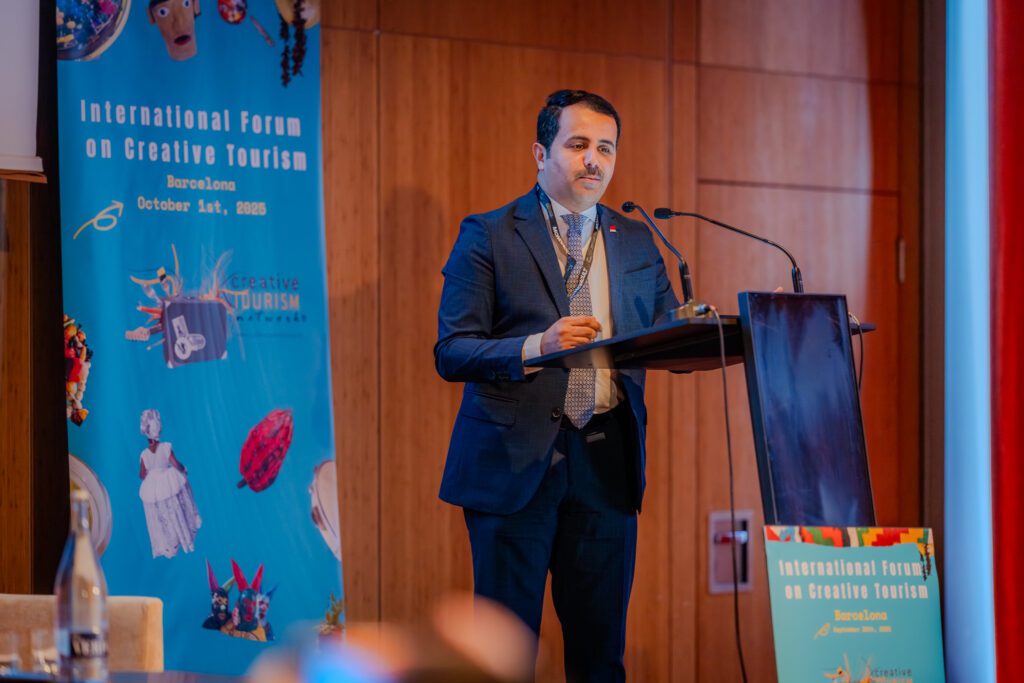
Dr. Rashid Malheya 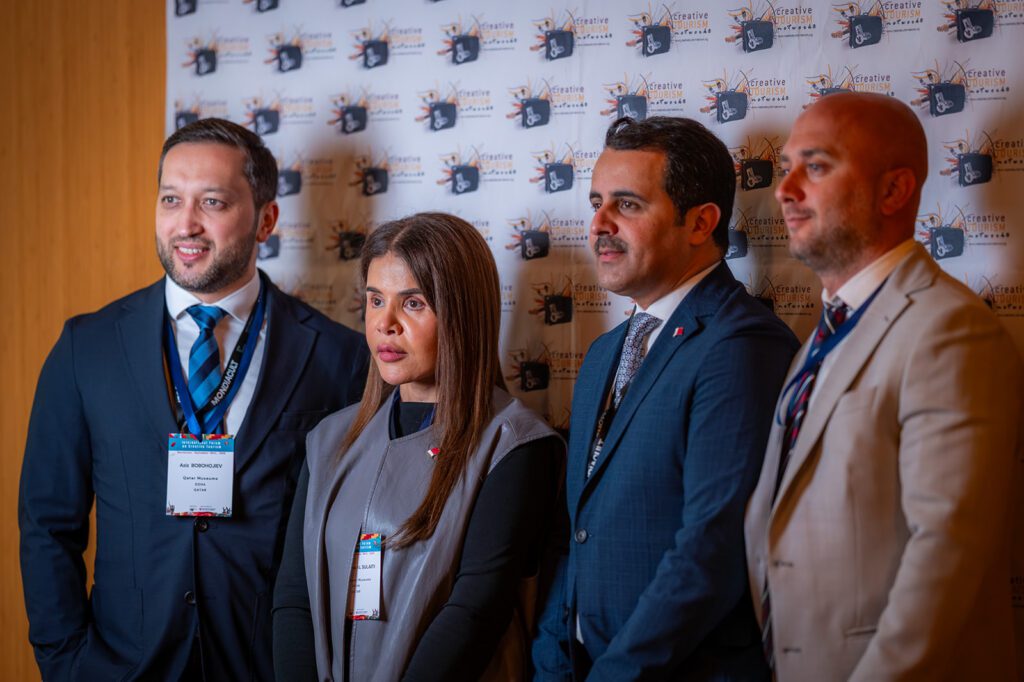
International Forum on creative Tourism 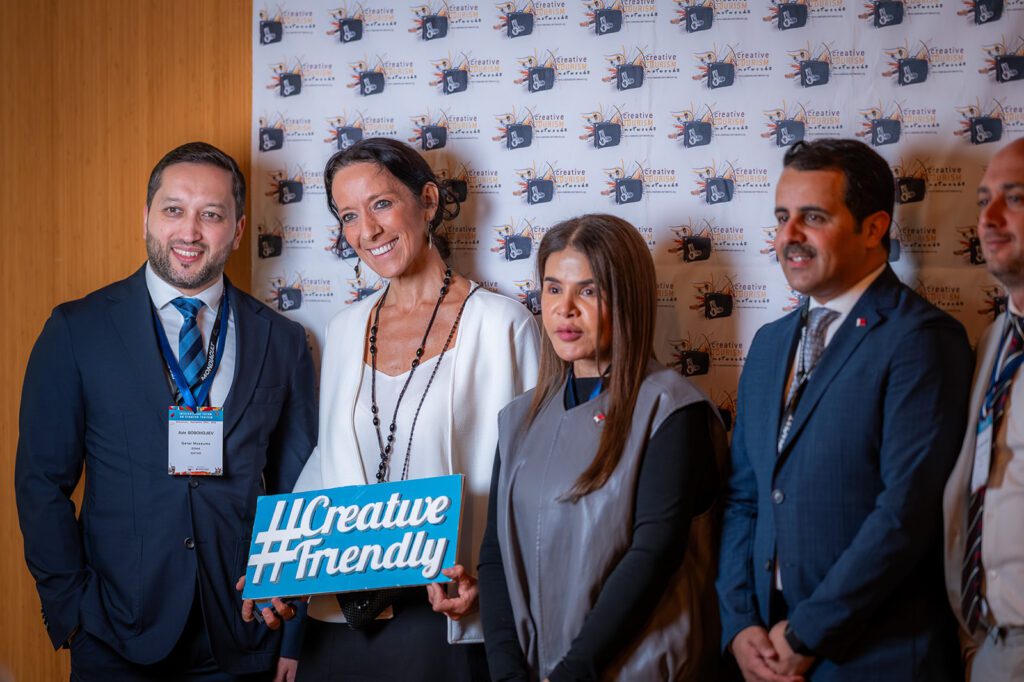
International Forum on creative Tourism 
International Forum on creative Tourism 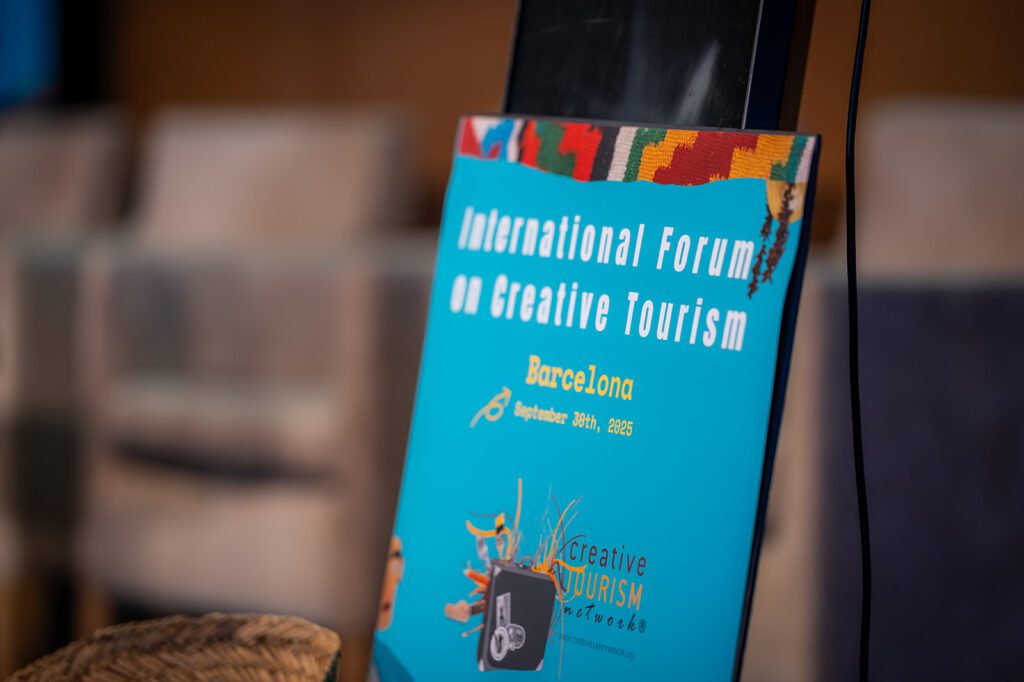
International Forum on creative Tourism 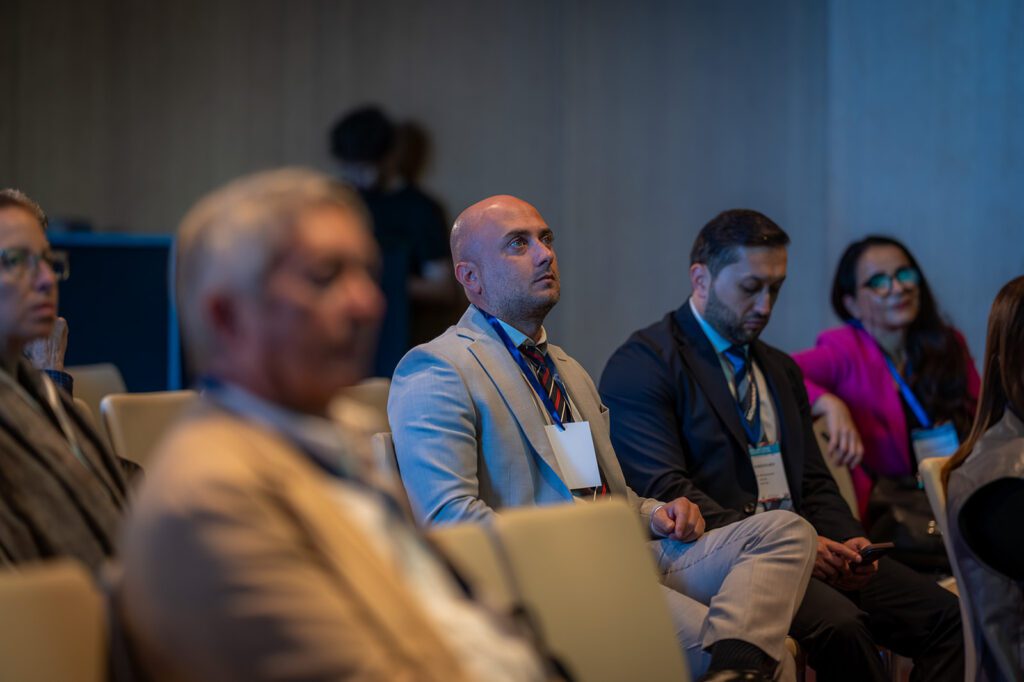
International Forum on creative Tourism 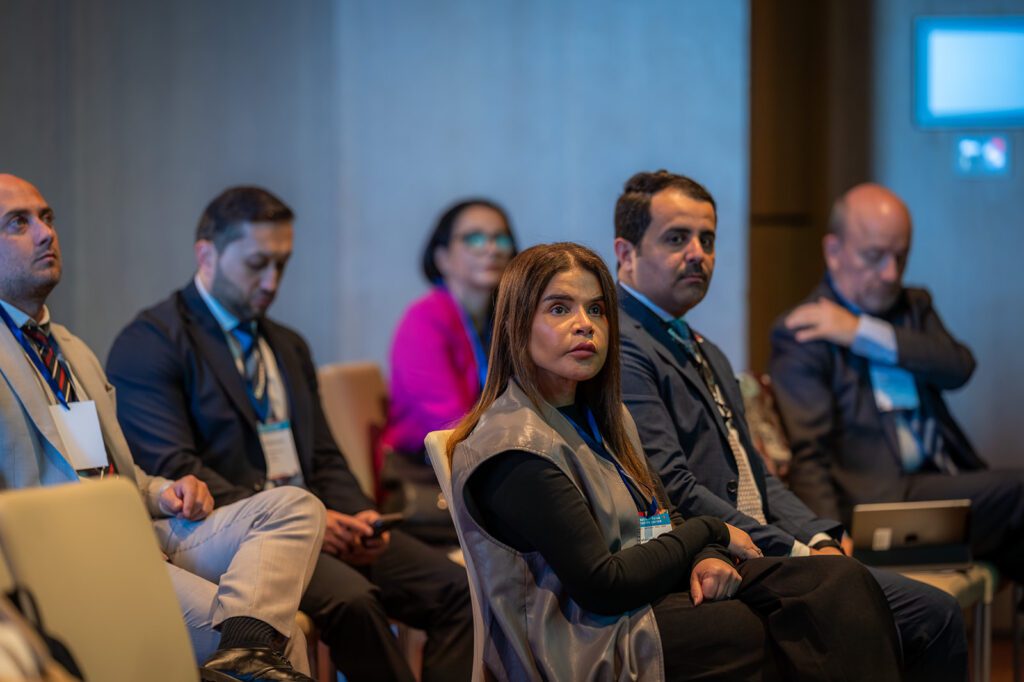
International Forum on creative Tourism 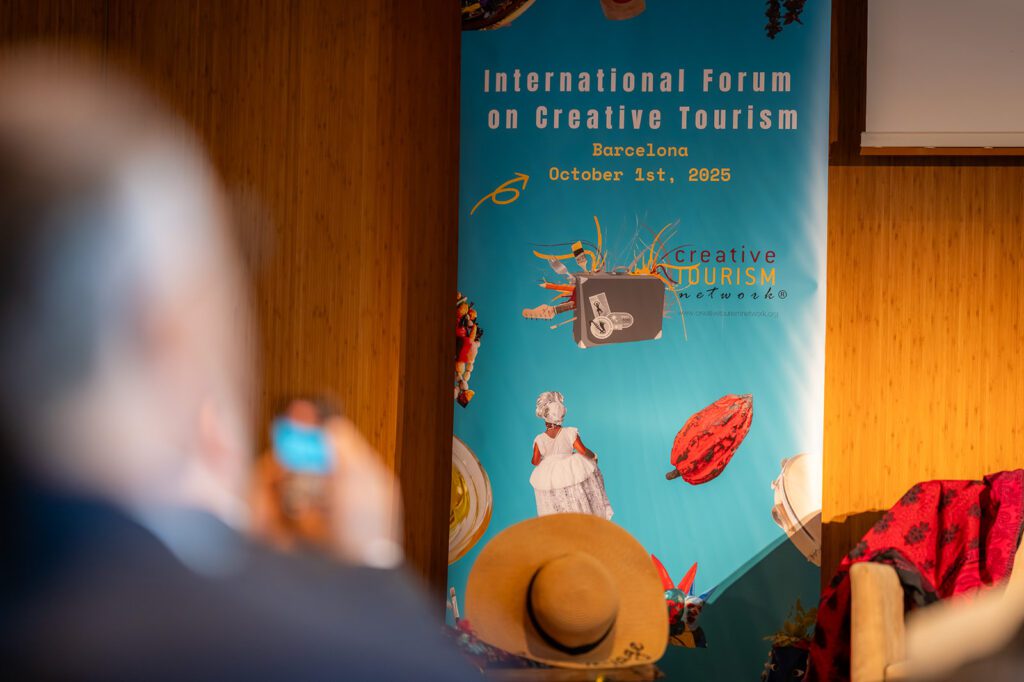
International Forum on creative Tourism 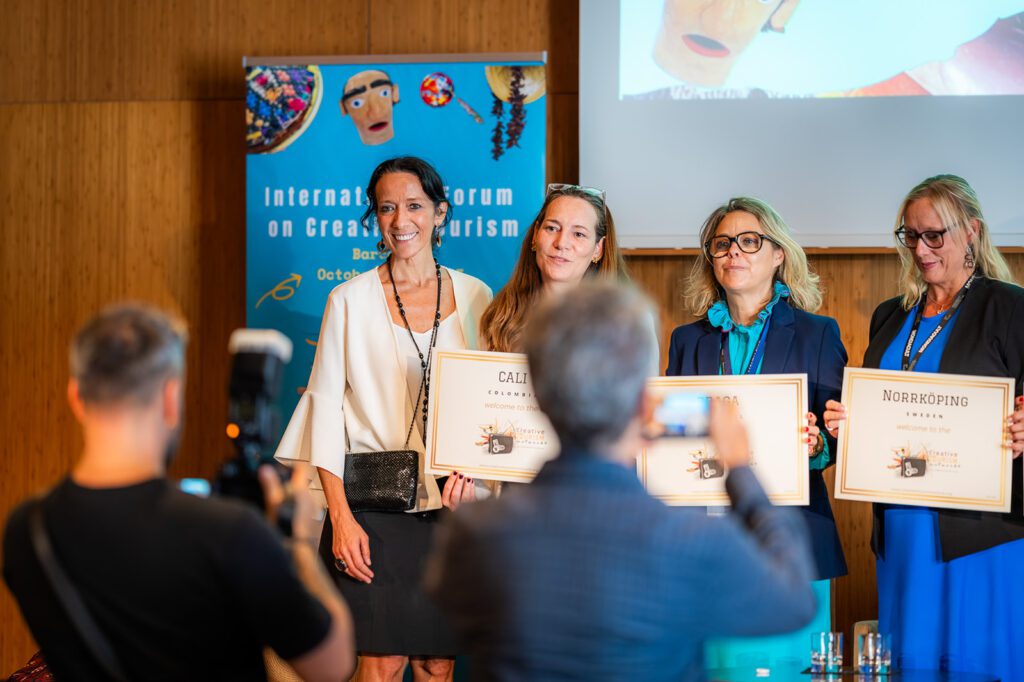
International Forum on creative Tourism 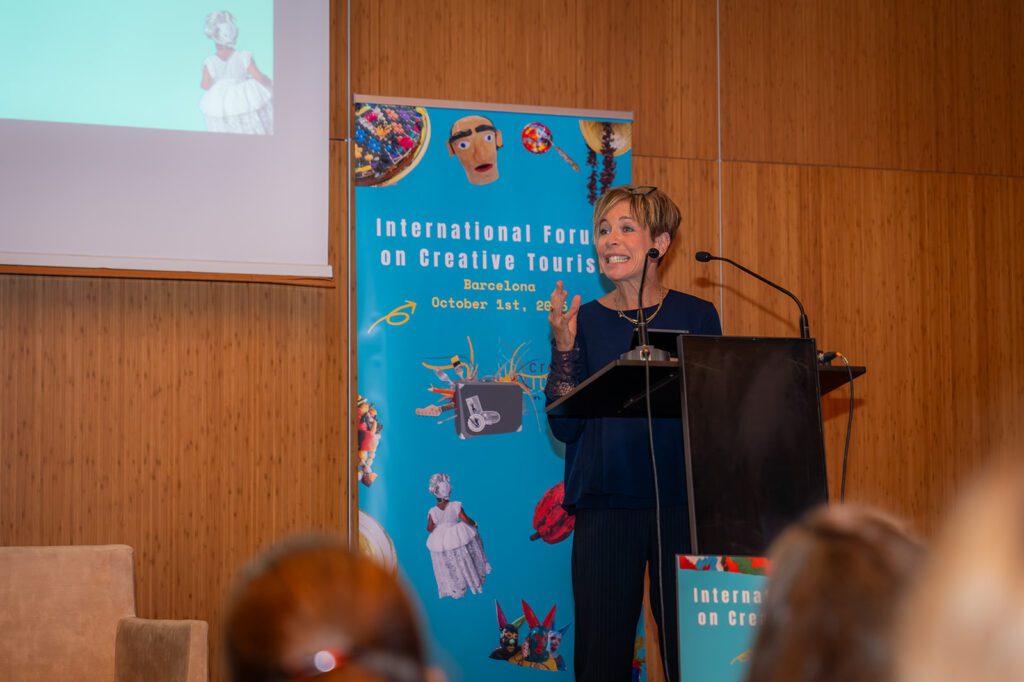
International Forum on creative Tourism 
International Forum on creative Tourism 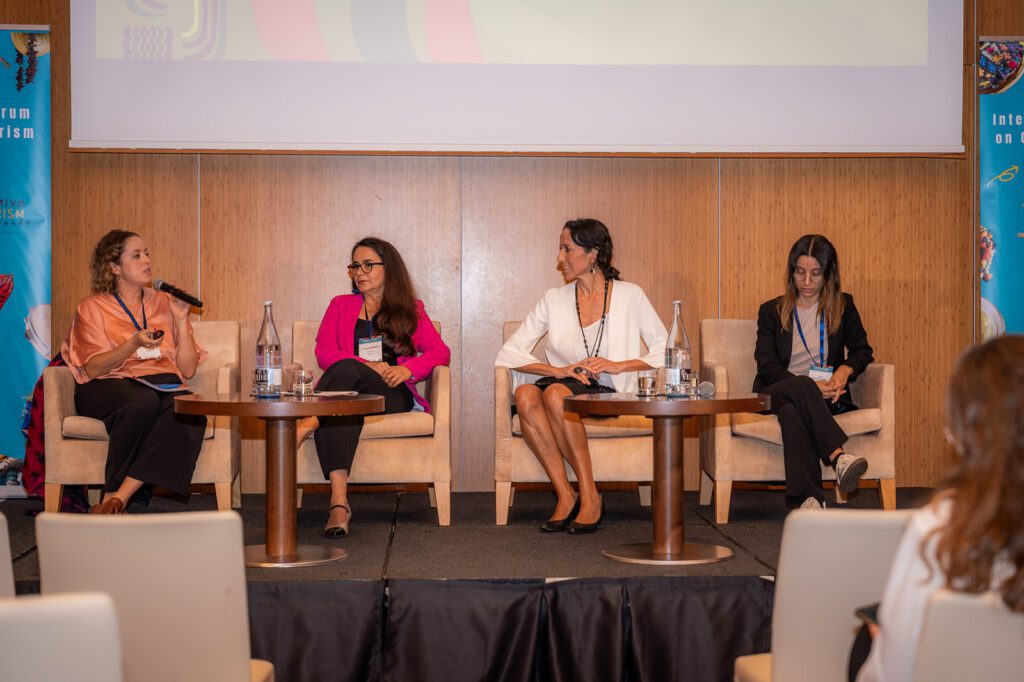
International Forum on creative Tourism 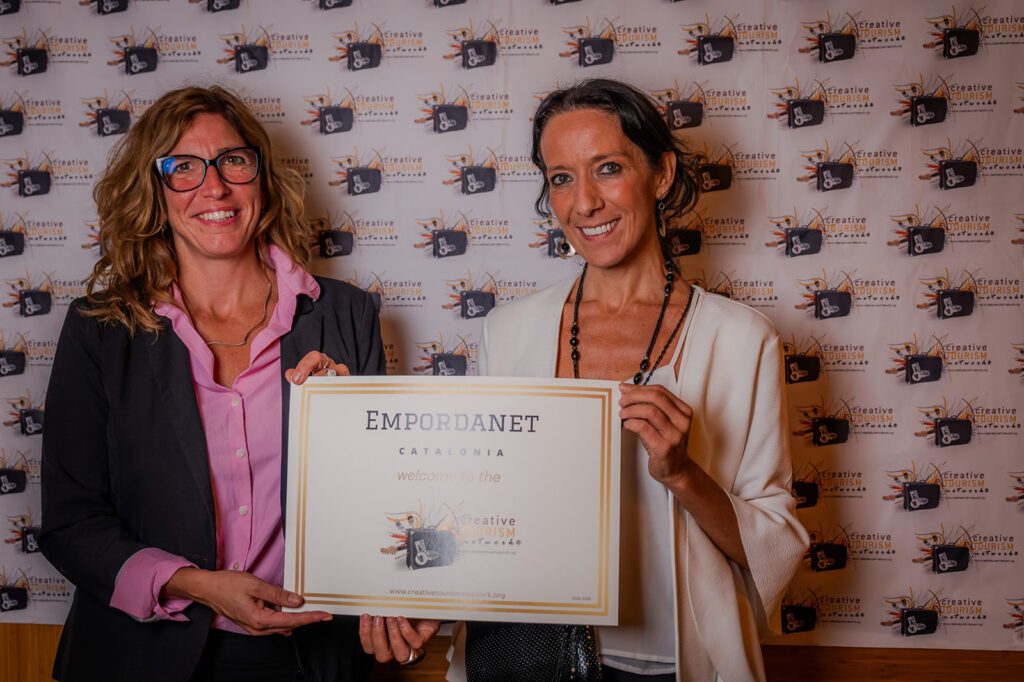
International Forum on creative Tourism 
International Forum on creative Tourism 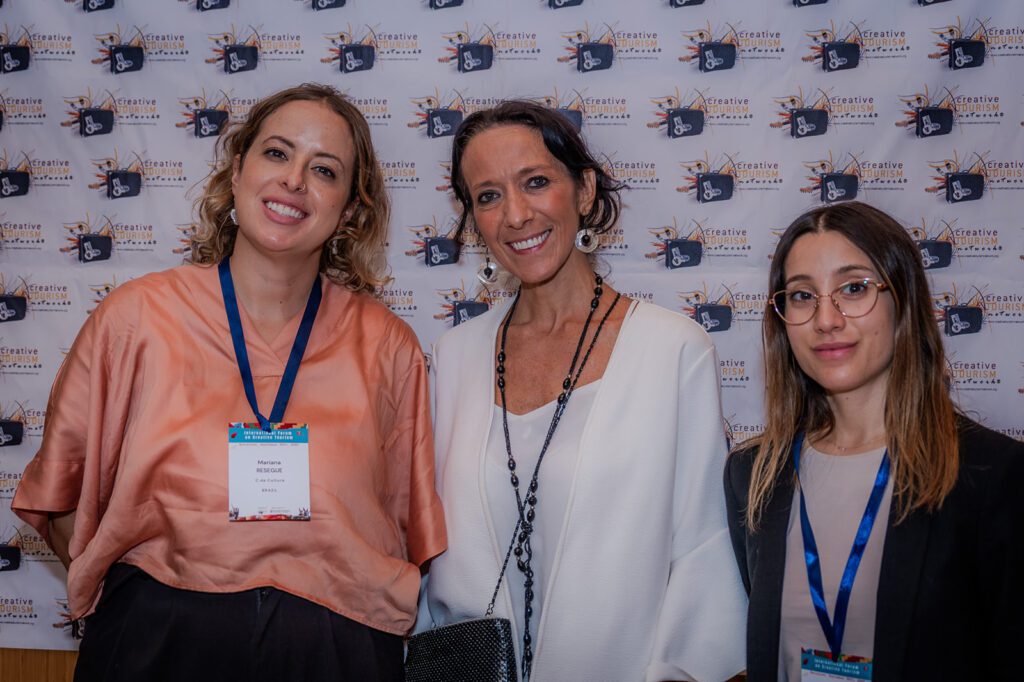
International Forum on creative Tourism 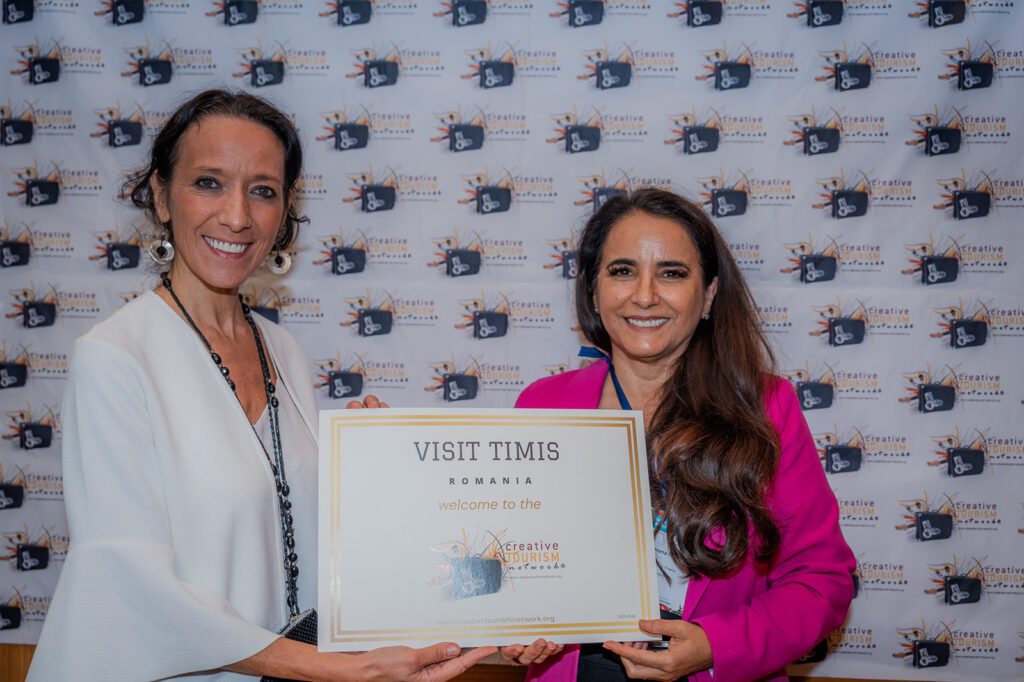
International Forum on creative Tourism 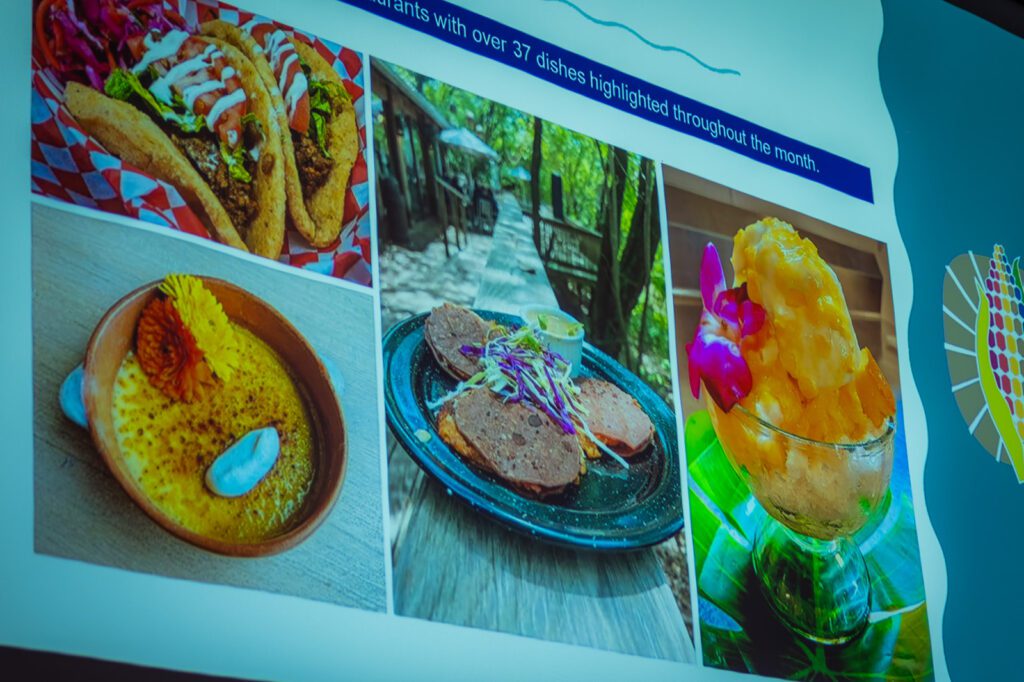
International Forum on creative Tourism 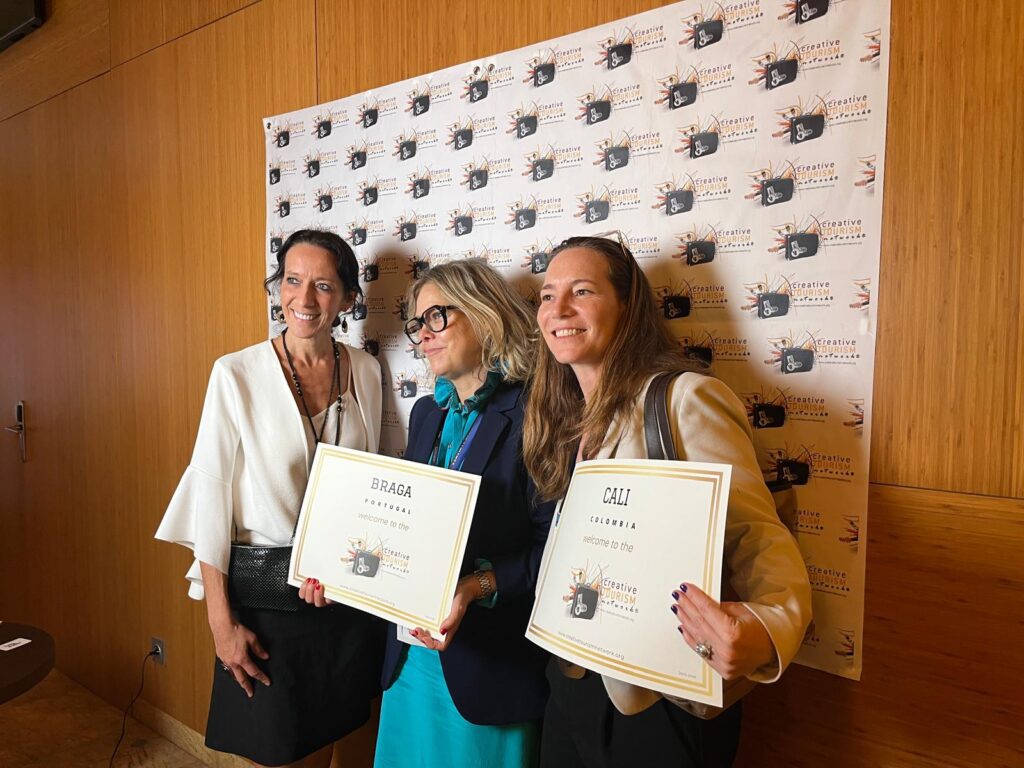
InternationalForumonCreativeTourism (4) 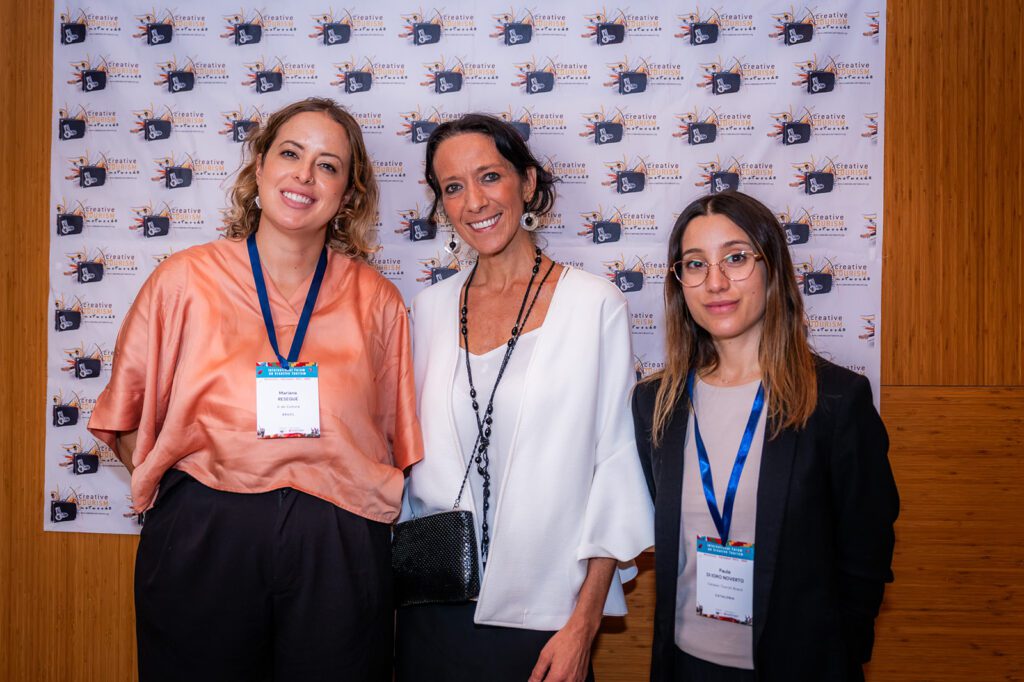
International Forum on creative Tourism
