




Route Culinaire de Tunisie visites techniques

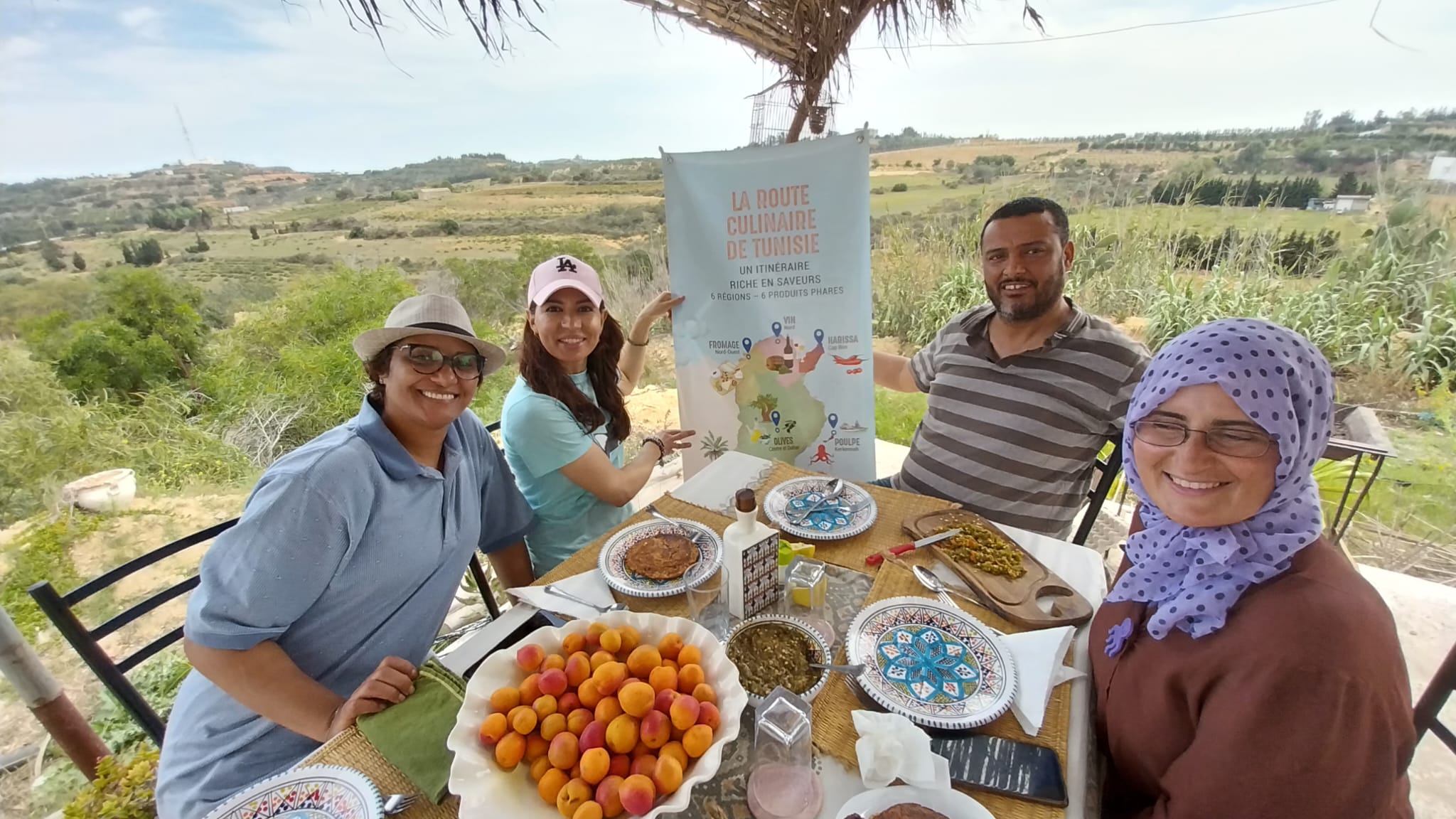
After several weeks of training, during which more than 150 projects leaders from all over Tunisia were able to optimize their assets and skills with a view to creating culinary and creative experiences, La Route Culinaire de Tunisie (Tunisia’s Culinary Journey)(*) reached its first validation phase with the organization of a series of technical visits carried out by the Creative Tourism Network®, in charge of implementing the Culinary and Creative Tunisia project.

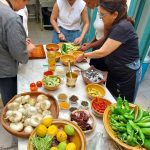
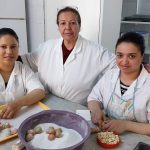
Around a hundred visits were made throughout the country, particularly in the regions defined within the framework of the project, focusing on six flagship products: Cheese from the North-West, Harissa from Cap Bon, Olive Oil from the Centre and Dahar, Wine from the North, Dates from the South-West and Octopus from Kerkennah.

These visits highlighted the great diversity of local players involved in the Culinary Journey: farmers, associations and Agricultural Development Groups (GDA), guest houses and tables d’hôtes, and travel agents, among others.

Their tourist offers are built around experiences that invite tourists to participate in the fertilization of dates in the oasis cultures of the Southwest, to elaborate harissa, designated an Intangible Heritage by UNESCO in December 2022, to make their own olive oil in the underground oil mills of Djerba or Dahar, to learn all the secrets that make octopus fishing in Kerkennah so unique, to immerse themselves in the world of wine producers, or to elaborate cheeses in the heart of “Tunisian Switzerland”, to name but a few.

During these visits, those who had requested it were able to prototype, test and enrich their offers, putting them in perspective with the new demands of travelers – national and international – in search of authenticity and human values thanks to a year-round tourism offering.

Indeed, new tourism paradigms, accelerated by the pandemic, have highlighted Tunisia’s strengths in welcoming these new traveler profiles, and the relevance of a project like Tunisia’s Culinary Journey in recreating an ecosystem that can generate synergies between professionals from various sectors such as farmers, craftsmen, associative organizations, cultural players and creative industries, and of course, tourism, catering and hotel professionals.

Initiatives such as the eductour organized by the Fédération Tunisienne des Agences de Voyages et de Tourisme (Tunisian Federation of Travel and Tourism Agencies) on June 20 in the Siliana region, focusing on cultural and sustainable tourism, demonstrated the sector’s interest in providing this essential link in the diversification of the offer, and sealed the promise of fruitful future collaborations.

The Creative Tourism Network®, for its part, brings the experience of strategies of this type, developed on other continents, always with the same objective of rapidly and inclusively energizing destinations, in the perspective of the Agenda 2030 Sustainable Development Goals.

The next steps will be the creation of commercial files for each of the experiences created, and their international promotion, which will position these offers and Tunisia as a whole in these virtuous and booming tourist markets.


………………………………………..


(*) About The Culinary Route of Tunisia:

This is a project developed within the “Promotion of Sustainable Tourism” program implemented by the Ministry of Tourism with the support of GIZ and jointly funded by the German Federal Ministry for Economic Cooperation and Development ( BMZ) and by the European Union as part of its “Tounes Wijhetouna” program.
The Culinary Route of Tunisia is one of these thematic axes, the result of the collaboration between different institutions, national and international*, aimed at converting the Tunisian culinary heritage into creative experiences that can attract different profiles of tourists, throughout the year, and across the country.

By focusing on creative and thematic tourism, Tunisia is now becoming THE Mediterranean destination capable of attracting new generations of travelers in search of authenticity and human values.
By promoting regional and interregional dynamics, the Culinary Route aims to strengthen local economies in order to convert them into sustainable tourism poles and to position Tunisia among the most popular international destinations for its gastronomic heritage.

 

Share
Route Culinaire de Tunisie visites techniques

After several weeks of training, during which more than 150 projects leaders from all over Tunisia were able to optimize their assets and skills with a view to creating culinary and creative experiences, La Route Culinaire de Tunisie (Tunisia’s Culinary Journey)(*) reached its first validation phase with the organization of a series of technical visits carried out by the Creative Tourism Network®, in charge of implementing the Culinary and Creative Tunisia project.

Around a hundred visits were made throughout the country, particularly in the regions defined within the framework of the project, focusing on six flagship products: Cheese from the North-West, Harissa from Cap Bon, Olive Oil from the Centre and Dahar, Wine from the North, Dates from the South-West and Octopus from Kerkennah.

These visits highlighted the great diversity of local players involved in the Culinary Journey: farmers, associations and Agricultural Development Groups (GDA), guest houses and tables d’hôtes, and travel agents, among others.

Their tourist offers are built around experiences that invite tourists to participate in the fertilization of dates in the oasis cultures of the Southwest, to elaborate harissa, designated an Intangible Heritage by UNESCO in December 2022, to make their own olive oil in the underground oil mills of Djerba or Dahar, to learn all the secrets that make octopus fishing in Kerkennah so unique, to immerse themselves in the world of wine producers, or to elaborate cheeses in the heart of “Tunisian Switzerland”, to name but a few.

During these visits, those who had requested it were able to prototype, test and enrich their offers, putting them in perspective with the new demands of travelers – national and international – in search of authenticity and human values thanks to a year-round tourism offering.

Indeed, new tourism paradigms, accelerated by the pandemic, have highlighted Tunisia’s strengths in welcoming these new traveler profiles, and the relevance of a project like Tunisia’s Culinary Journey in recreating an ecosystem that can generate synergies between professionals from various sectors such as farmers, craftsmen, associative organizations, cultural players and creative industries, and of course, tourism, catering and hotel professionals.

Initiatives such as the eductour organized by the Fédération Tunisienne des Agences de Voyages et de Tourisme (Tunisian Federation of Travel and Tourism Agencies) on June 20 in the Siliana region, focusing on cultural and sustainable tourism, demonstrated the sector’s interest in providing this essential link in the diversification of the offer, and sealed the promise of fruitful future collaborations.

The Creative Tourism Network®, for its part, brings the experience of strategies of this type, developed on other continents, always with the same objective of rapidly and inclusively energizing destinations, in the perspective of the Agenda 2030 Sustainable Development Goals.

The next steps will be the creation of commercial files for each of the experiences created, and their international promotion, which will position these offers and Tunisia as a whole in these virtuous and booming tourist markets.


………………………………………..


(*) About The Culinary Route of Tunisia:

This is a project developed within the “Promotion of Sustainable Tourism” program implemented by the Ministry of Tourism with the support of GIZ and jointly funded by the German Federal Ministry for Economic Cooperation and Development ( BMZ) and by the European Union as part of its “Tounes Wijhetouna” program.
The Culinary Route of Tunisia is one of these thematic axes, the result of the collaboration between different institutions, national and international*, aimed at converting the Tunisian culinary heritage into creative experiences that can attract different profiles of tourists, throughout the year, and across the country.

By focusing on creative and thematic tourism, Tunisia is now becoming THE Mediterranean destination capable of attracting new generations of travelers in search of authenticity and human values.
By promoting regional and interregional dynamics, the Culinary Route aims to strengthen local economies in order to convert them into sustainable tourism poles and to position Tunisia among the most popular international destinations for its gastronomic heritage.


Share
Route Culinaire de Tunisie visites techniques

Tras varias semanas de formación, durante las cuales más de 150 responsables de proyectos de todo Túnez pudieron optimizar sus activos y competencias con vistas a crear experiencias culinarias y creativas, La Route Culinaire de Tunisie (La Ruta Culinaria de Túnez)(*) alcanzó su primera fase de validación con la organización de una serie de visitas técnicas llevadas a cabo por la Red de Turismo Creativo®, encargada de poner en marcha el proyecto Túnez Culinario y Creativo.

Se realizaron un centenar de visitas por todo el país, especialmente en las regiones definidas en el marco del proyecto, centradas en seis productos emblemáticos: Queso del Noroeste, Harissa de Cap Bon, Aceite de Oliva del Centro y Dahar, Vino del Norte, Dátiles del Suroeste y Pulpo de Kerkennah.

Estas visitas pusieron de manifiesto la gran diversidad de agentes locales implicados en la Ruta Culinaria: agricultores, asociaciones y Grupos de Desarrollo Agrícola (GDA), casas de huéspedes y tables d’hôtes, y agencias de viajes, entre otros.

Sus ofertas turísticas se articulan en torno a experiencias que invitan a los turistas a participar en la fecundación de dátiles en los cultivos de los oasis del Suroeste, a elaborar harissa, designada Patrimonio Inmaterial por la UNESCO en diciembre de 2022, a fabricar su propio aceite de oliva en las almazaras subterráneas de Djerba o Dahar, a conocer todos los secretos que hacen única la pesca del pulpo en Kerkennah, a sumergirse en el mundo de los viticultores o a elaborar quesos en el corazón de la “Suiza tunecina”, por citar sólo algunas.

Durante estas visitas, quienes lo habían solicitado pudieron prototipar, probar y enriquecer sus ofertas, poniéndolas en perspectiva con las nuevas exigencias de los viajeros -nacionales e internacionales- en busca de autenticidad y valores humanos gracias a una oferta turística para todo el año.

En efecto, los nuevos paradigmas turísticos, acelerados por la pandemia, han puesto de relieve los puntos fuertes de Túnez para acoger a estos nuevos perfiles de viajeros, y la pertinencia de un proyecto como la Ruta Culinaria de Túnez para recrear un ecosistema capaz de generar sinergias entre profesionales de diversos sectores, como agricultores, artesanos, organizaciones asociativas, agentes culturales e industrias creativas y, por supuesto, profesionales del turismo, la restauración y la hostelería.

Iniciativas como el eductour organizado por la Fédération Tunisienne des Agences de Voyages et de Tourisme (Federación Tunecina de Agencias de Viajes y Turismo) el 20 de junio en la región de Siliana, centrado en el turismo cultural y sostenible, demostraron el interés del sector por aportar este eslabón esencial en la diversificación de la oferta, y sellaron la promesa de fructíferas colaboraciones futuras.

La Red de Turismo Creativo®, por su parte, aporta la experiencia de estrategias de este tipo, desarrolladas en otros continentes, siempre con el mismo objetivo de dinamizar de forma rápida e inclusiva los destinos, en la perspectiva de los Objetivos de Desarrollo Sostenible de la Agenda 2030.

Los siguientes pasos serán la creación de fichas comerciales para cada una de las experiencias creadas, y su promoción internacional, que posicionará estas ofertas y a Túnez en su conjunto en estos mercados turísticos virtuosos y en auge.


………………………………………..


(*) Acerca de La Ruta Culinaria de Túnez:

Se trata de un proyecto desarrollado dentro del programa “Promoción del Turismo Sostenible”, ejecutado por el Ministerio de Turismo con el apoyo de la GIZ y cofinanciado por el Ministerio Federal Alemán de Cooperación Económica y Desarrollo ( BMZ) y por la Unión Europea dentro de su programa “Tounes Wijhetouna”.
La Ruta Culinaria de Túnez es uno de estos ejes temáticos, fruto de la colaboración entre diferentes instituciones, nacionales e internacionales*, cuyo objetivo es convertir el patrimonio culinario tunecino en experiencias creativas que puedan atraer a diferentes perfiles de turistas, a lo largo de todo el año, y por todo el país.

Al centrarse en el turismo creativo y temático, Túnez se está convirtiendo en EL destino mediterráneo capaz de atraer a nuevas generaciones de viajeros en busca de autenticidad y valores humanos.
Al promover dinámicas regionales e interregionales, la Ruta Culinaria pretende reforzar las economías locales para convertirlas en polos de turismo sostenible y situar a Túnez entre los destinos internacionales más populares por su patrimonio gastronómico.


Share