
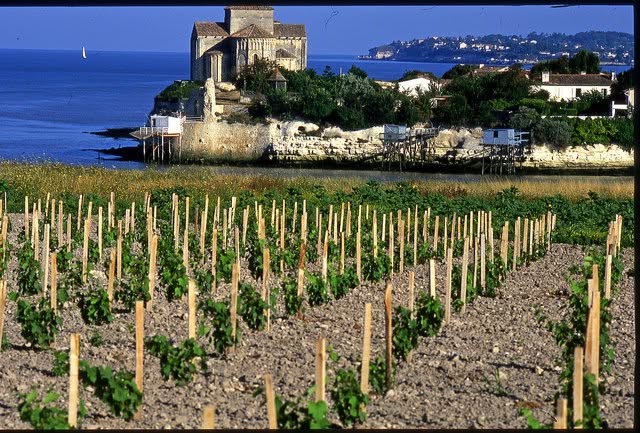
Perched on a limestone cliff overlooking the Gironde estuary, Les Hauts de Talmont is one of those rare places where landscape, heritage, and craftsmanship merge into a single, unforgettable experience. In the Charentes — proudly recognised as a CreativeFriendlyDestination — the estate stands out as a pioneering voice in creative wine tourism, offering visitors not only a tasting, but a profound, sensory encounter with the territory.
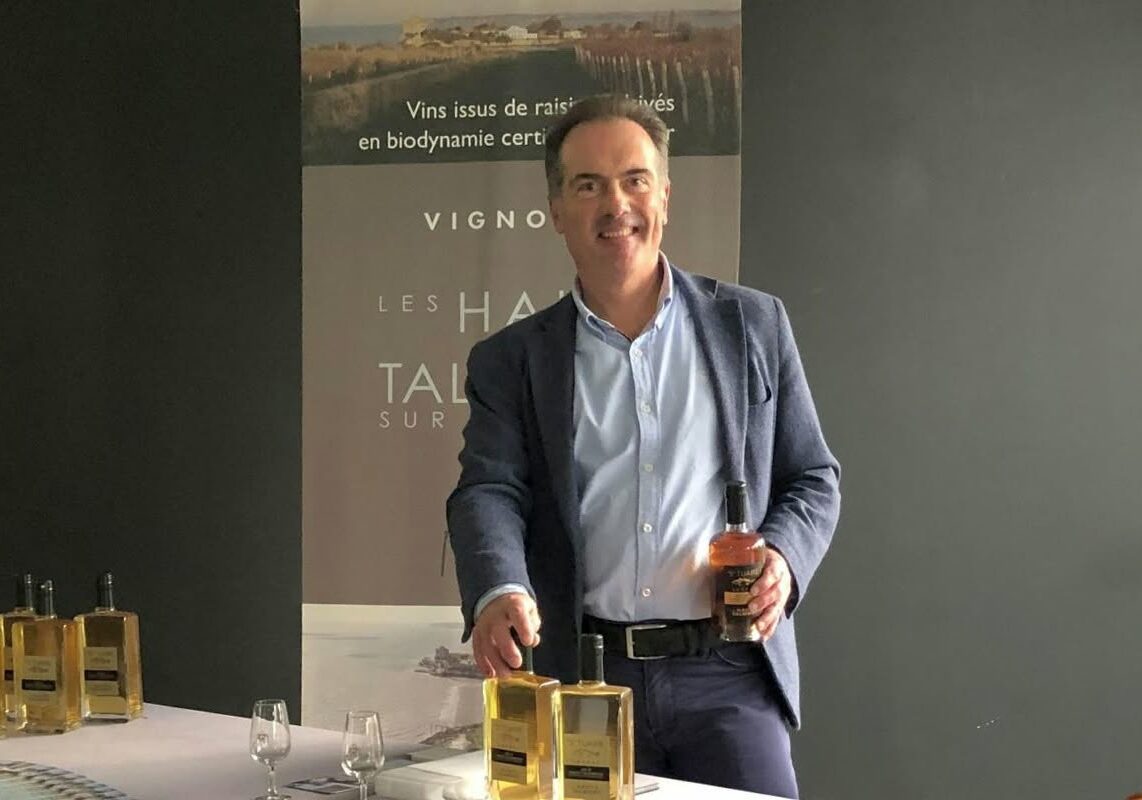
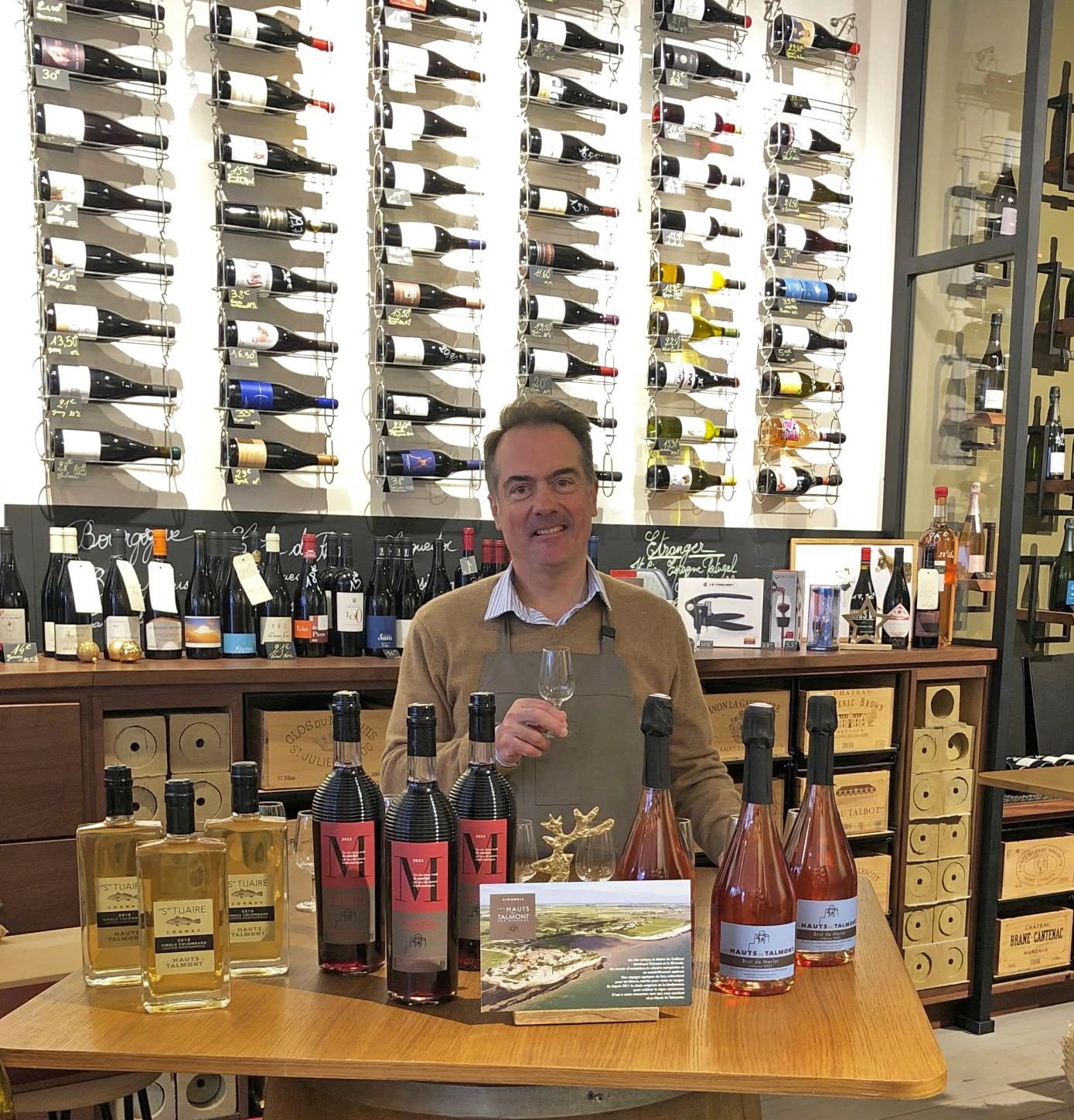
At the heart of this vision is Jean‑Louis Laboissière, Responsable Œnotourisme, who has spent years shaping a visitor experience rooted in intimacy, authenticity, and active participation. For 25 years, the estate has favoured private, small‑group visits designed around dialogue, curiosity, and personalised discovery. Today, Les Hauts de Talmont goes even further, inviting guests to explore wine through touch, smell, sound, and emotion — a true geo‑sensorial journey that reveals the Charentes in a new light.
This approach places the estate among the region’s most innovative actors, reinforcing the Charentes’ identity as a destination where creativity, terroir, and human connection come together to create meaningful, memorable experiences.
How does your work connect with the principles of creative tourism?
In the field of wine tourism, we are seeing a strong demand for participatory experiences.
From the creation of the estate 25 years ago, we chose to offer private visits in small groups — families, friends, or couples — to encourage personalised exchanges and tailor‑made interactions based on each visitor’s expectations.
This approach makes every visit unique.
Recently, we wanted to go even further by inviting our guests to take a more active role in the experience.
What does your creative tourism offer consist of ?
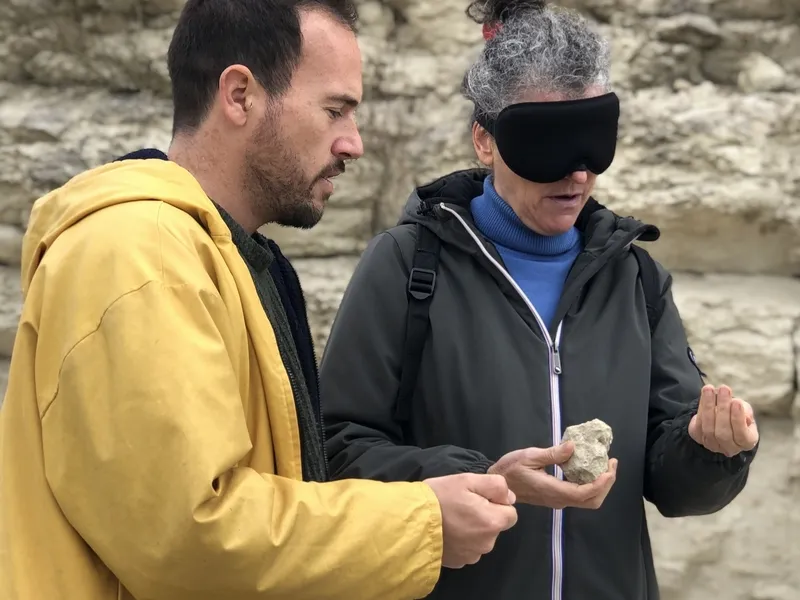
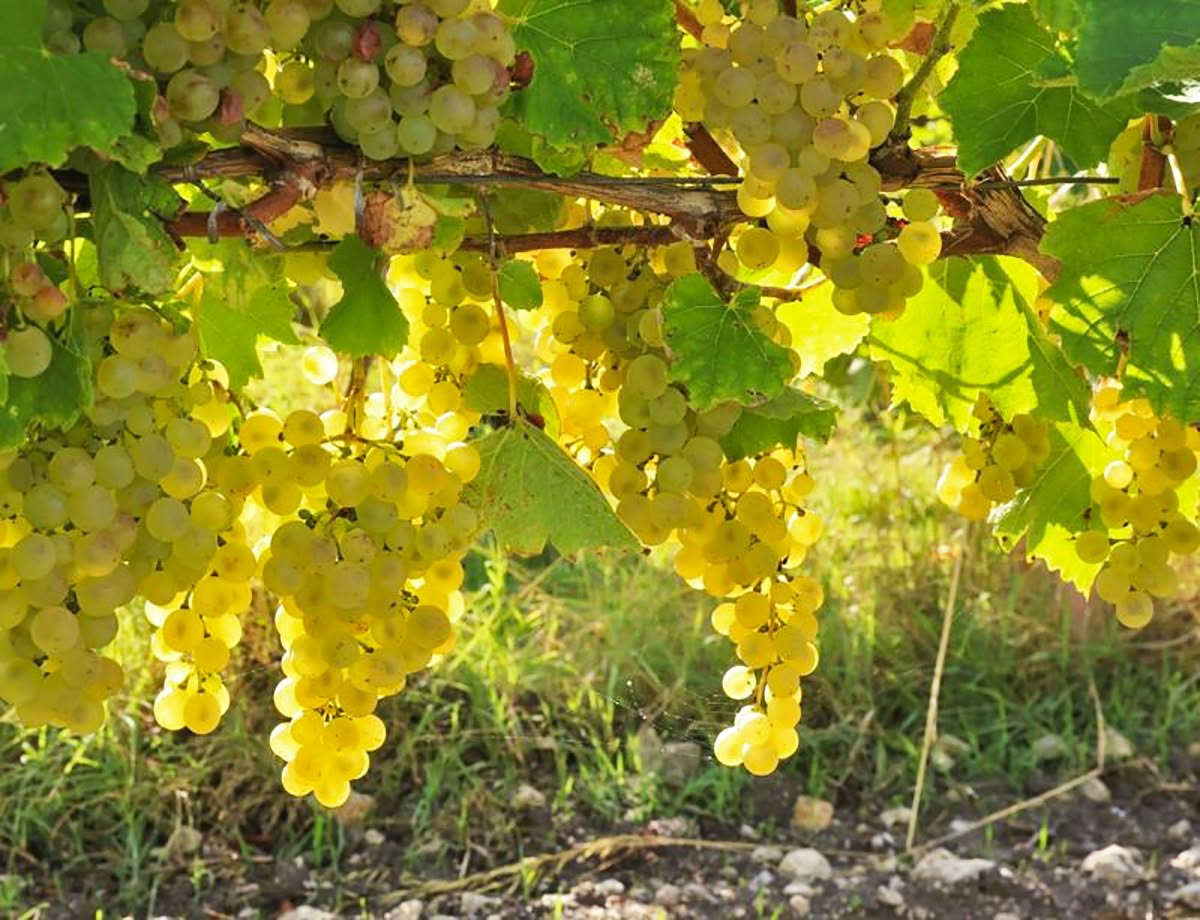
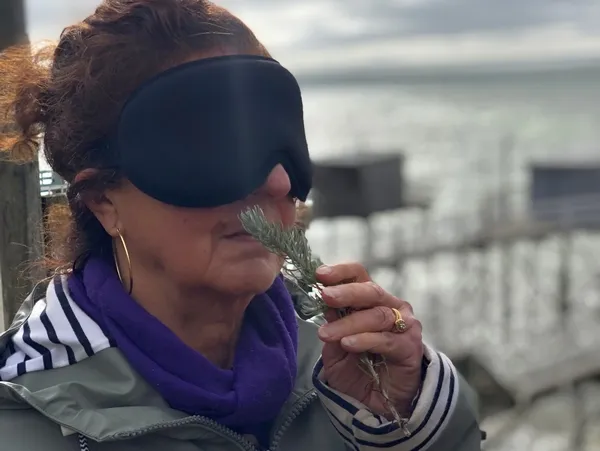
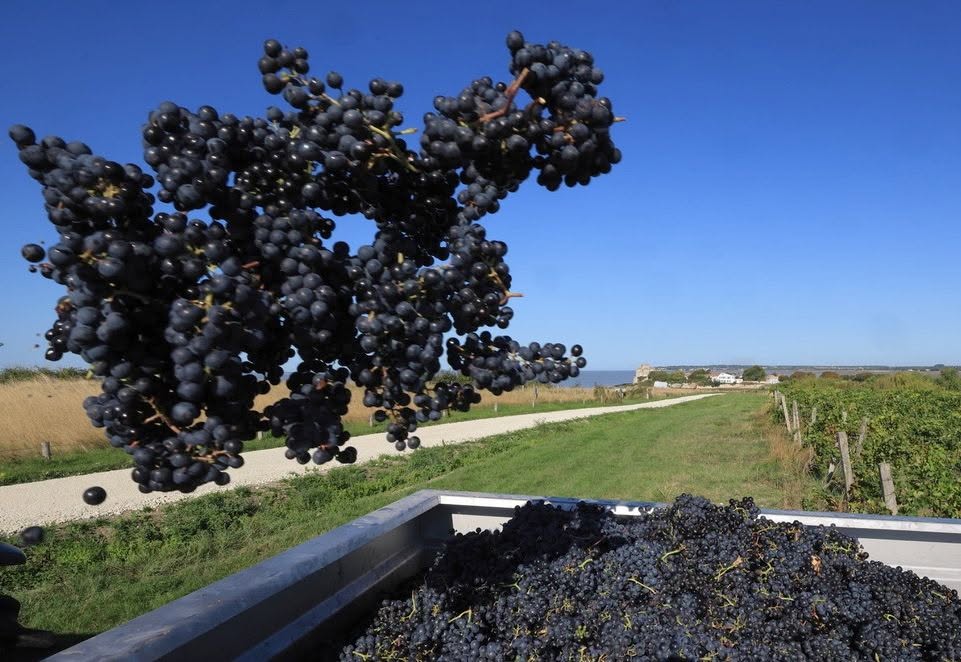
Our vineyard, located on a preserved limestone cliff at the edge of the Gironde estuary, lends itself naturally to a geo‑sensorial approach where visitors engage all their senses. At different stages of the outdoor tour, they may wear a blindfold to touch the chalk, taste marine herbs, smell aromatic plants, and feel the presence of local wildlife and natural elements. Inside our cellars, where visitors are again occasionally blindfolded, they train their noses over our wine and cognac barrels. These individual, playful experiences can be complemented by tastings in opaque glasses.
What opportunities has creative tourism opened for your practice?
It allows us to highlight our environment and our savoir‑faire in a practical, direct, and even intimate way.
“Creative tourism creates stronger emotions and more lasting memories.”
In your view, what does creative tourism bring to the territory?
It creates stronger emotions and more lasting memories.
In one word, how would you define the cultural DNA of the Charentes?
Évasion – Escape – An immersive getaway.
More about
Charentes, CreativeFriendlyDestination