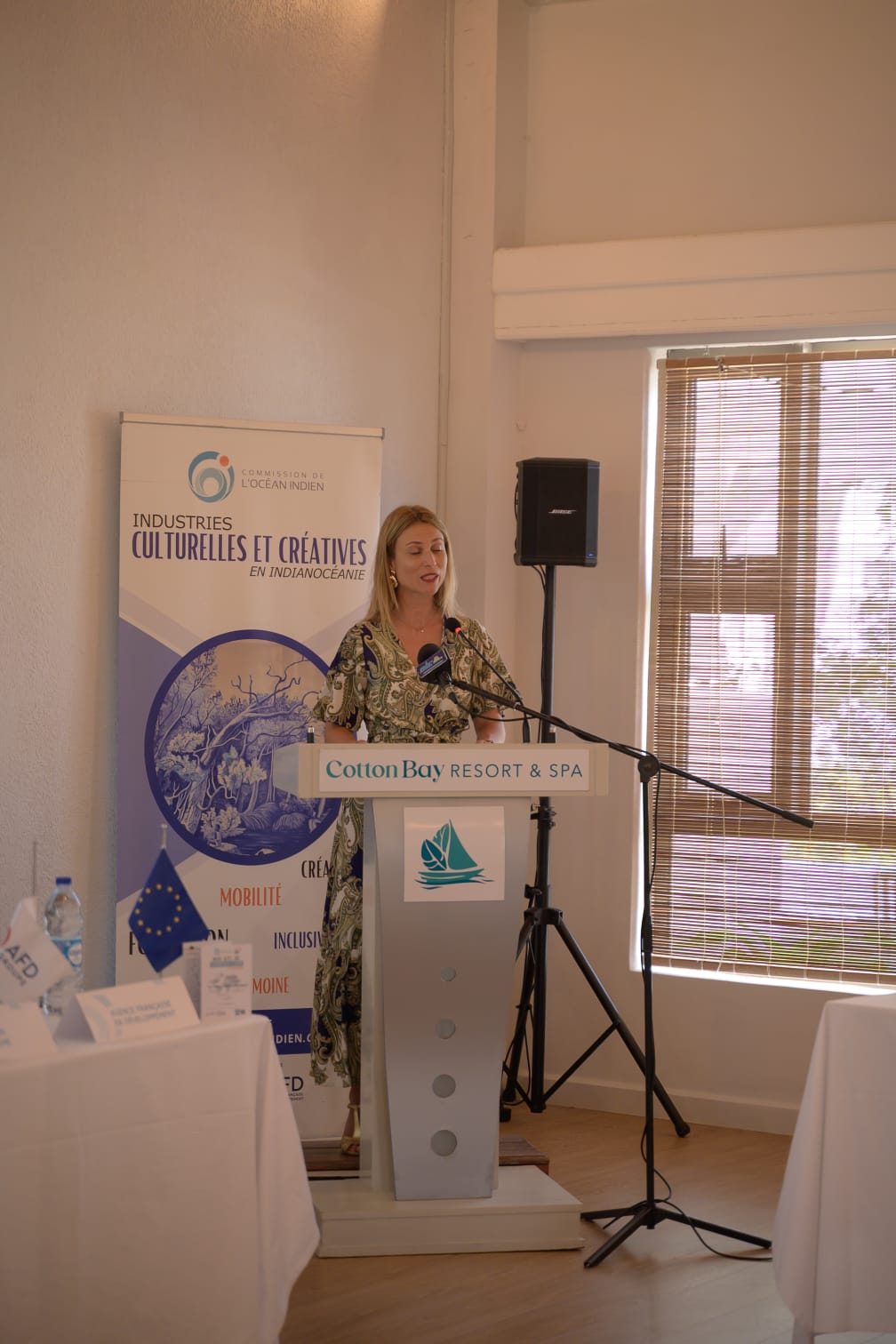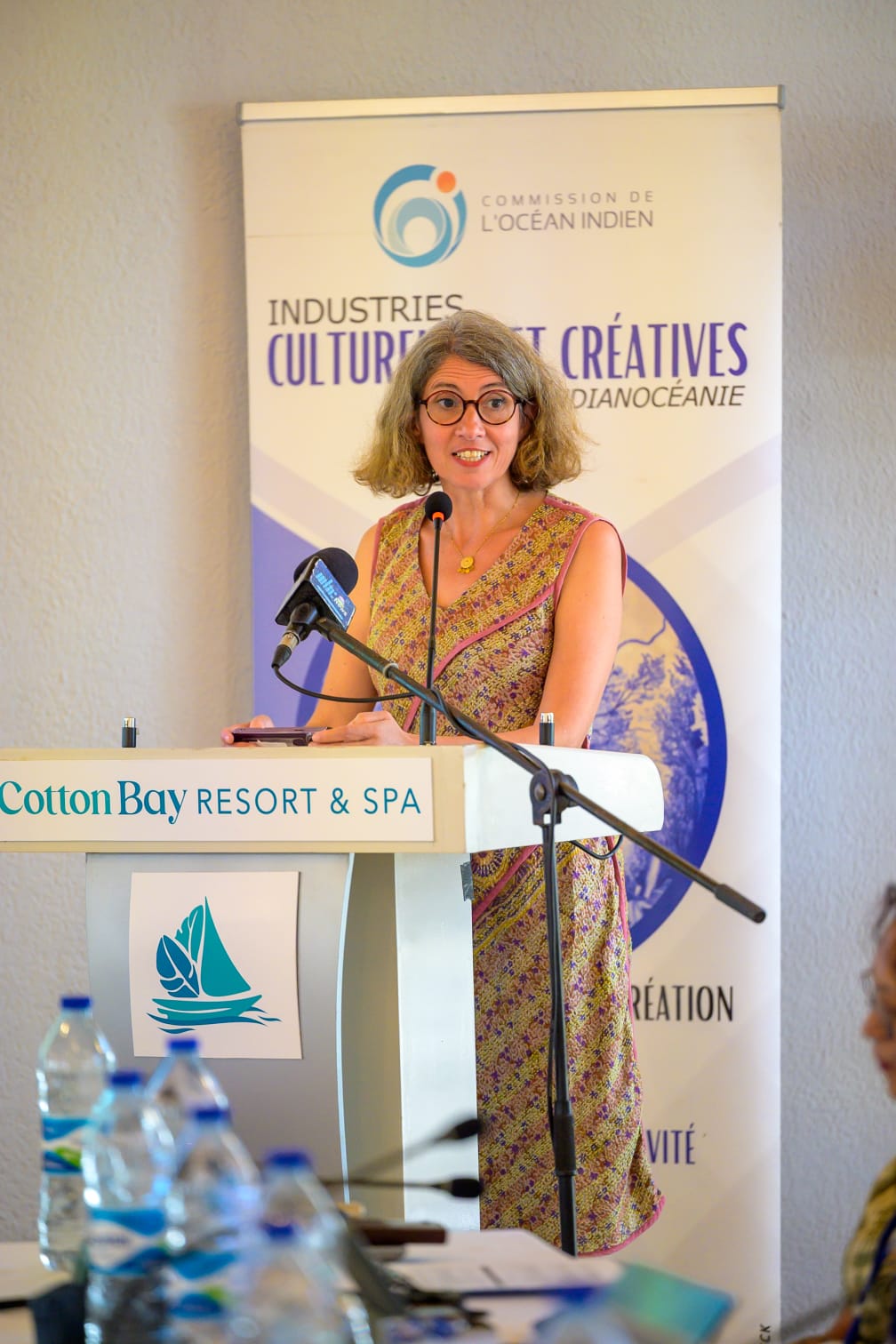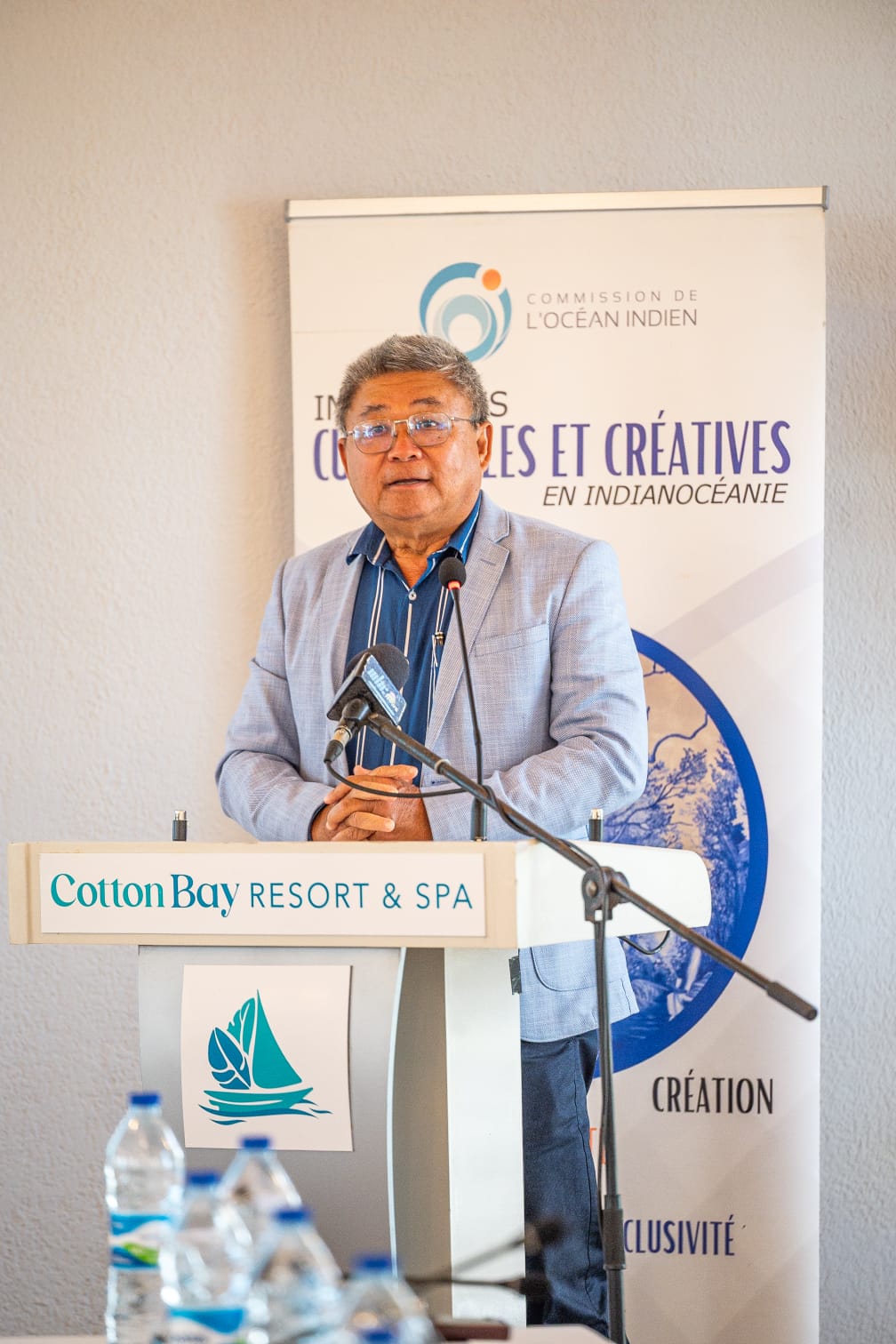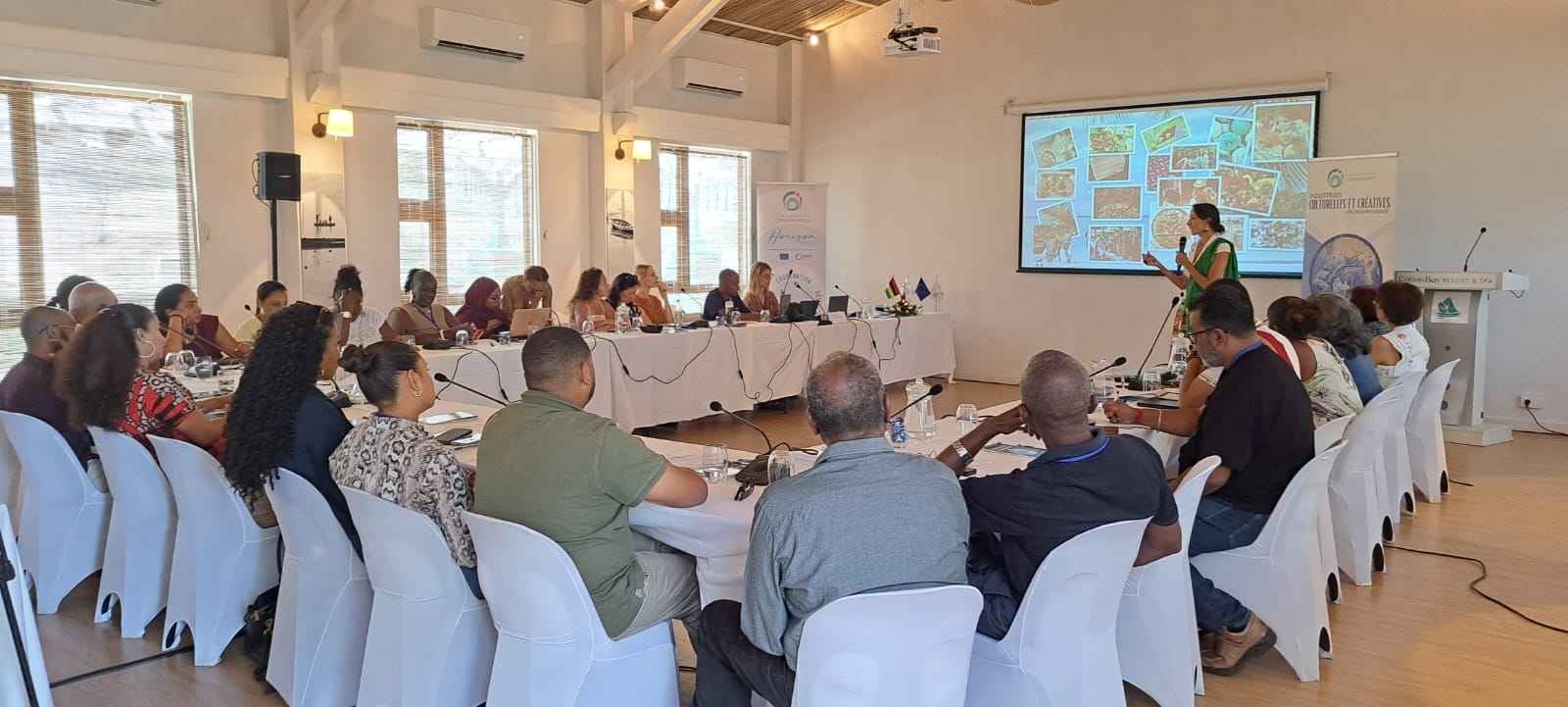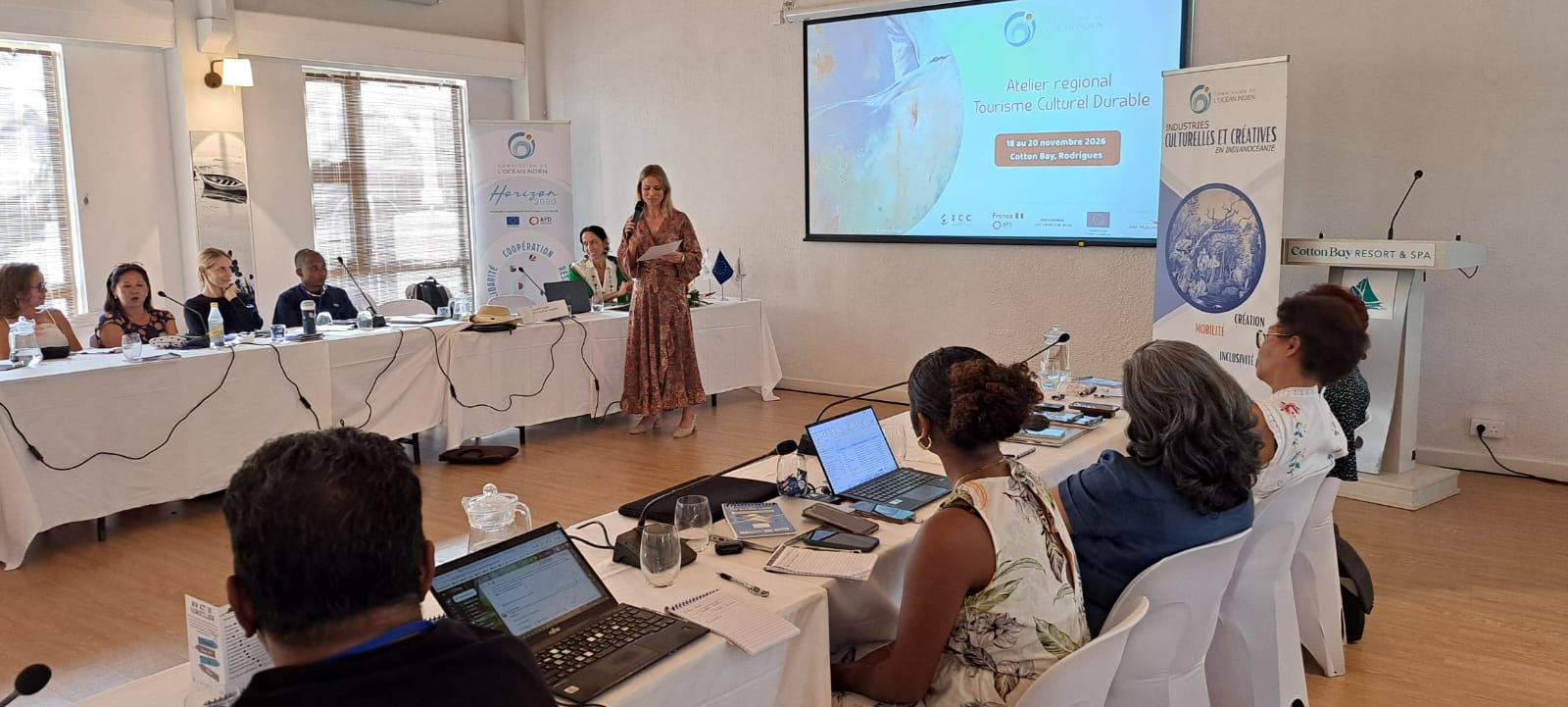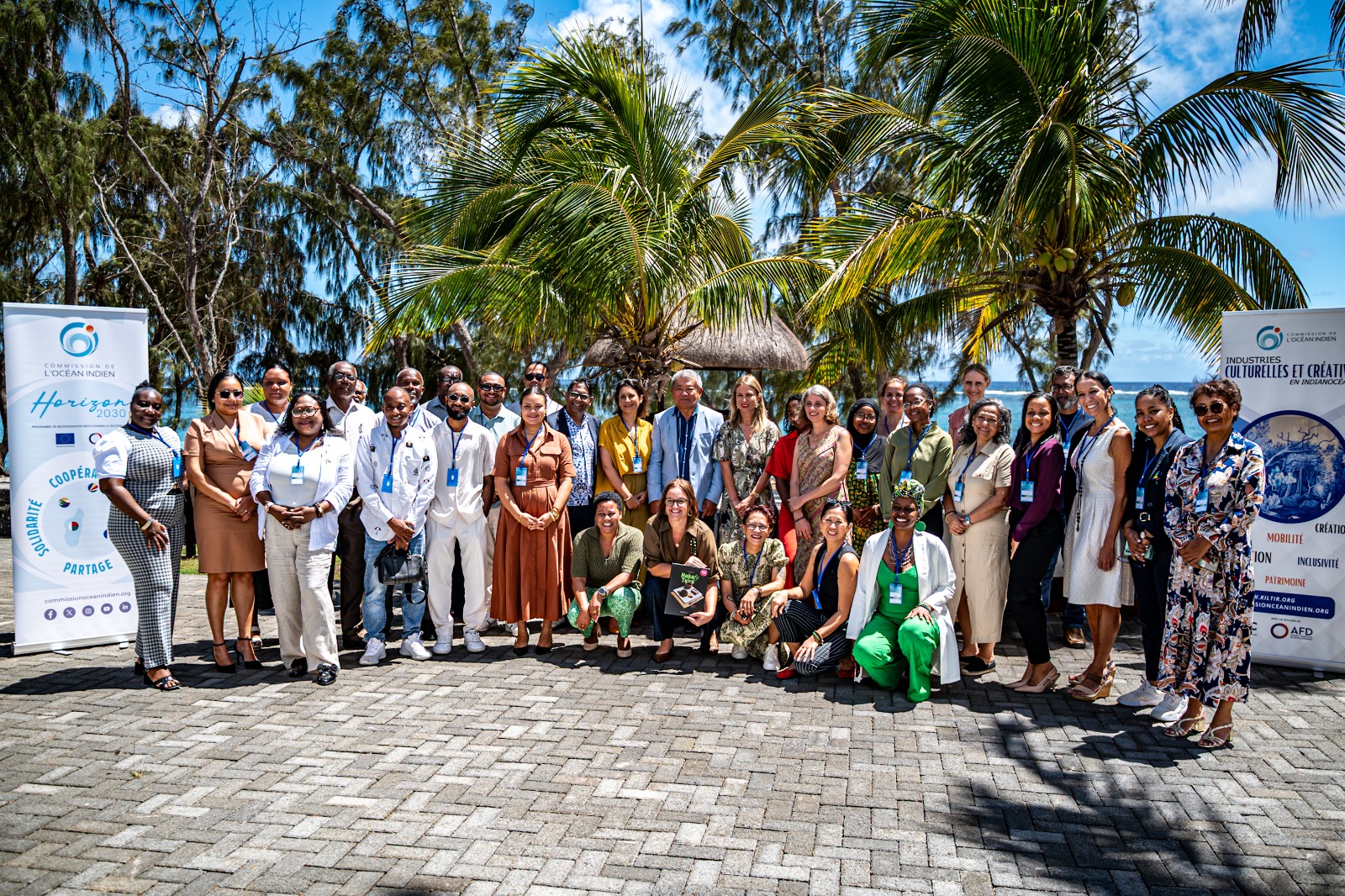
Creative Industries and Tourism professionals, together with public authorities from six Indian Ocean countries, took part in a Co-Creation Workshop on Sustainable Development organized by the Indian Ocean Commission.
Rodrigues, 21 November 2026
How can the heritage, know-how, and creativity of the peoples of the Indian Ocean be transformed into genuine economic resources for local territories? This question was at the heart of discussions and collaborative work during the Regional Workshop on Sustainable Cultural Tourism, held in Rodrigues from 18 to 20 November 2026 under the theme: “Transforming Heritage into Experiences and Local Economic Opportunities.”
The workshop brought together around thirty participants from the public and private sectors, including tourism, culture, academia, and local communities, representing Réunion, the Comoros, Seychelles, Madagascar, Mauritius, Mozambique, and Rodrigues. The initiative forms part of the regional cooperation framework of the Indian Ocean Commission (IOC) under IOC Horizon 2030, in partnership with the French Development Agency (AFD) and Air Mauritius.
Beyond the Postcard Image of the Indian Ocean
Tourism is a major economic driver across the region, yet it remains largely focused on seaside tourism, with benefits often concentrated among specific destinations and operators. At the same time, traditional skills, cultural practices, and vernacular architecture are increasingly under pressure.
“The Indian Ocean region is much more than a postcard destination. Its islands share histories, influences, and know-how that together constitute an exceptional foundation. The IOC’s strategic framework aims to transform this richness into concrete projects and opportunities for local communities and territories,”
said Juliette Janin, Project Officer at the Indian Ocean Commission (IOC).
“Cultural and Creative Industries are a powerful driver of economic development and employment, particularly for women and young people. AFD is proud to support the IOC in this initiative, which seeks to structure sustainable value chains rooted in local territories and benefiting their communities,”
stated Audrey Nirrengarten, AFD Director for Mauritius and Seychelles.
Cultural and Creative Industries: A Fully-Fledged Economic Sector
Crafts, design, fashion, gastronomy, music, performing arts, audiovisual production, digital creation, and heritage interpretation all fall within the scope of the Cultural and Creative Industries (CCIs). These industries transform cultural resources into jobs, products, services, and experiences. They contribute to economic diversification, generate income opportunities, and foster sustainable value chains that directly benefit local communities.
“Cultural and Creative Industries are not merely an enhancement to the tourism offer; they are an integral component of it and a key driver of sustainable development. They sit at the intersection of heritage preservation, tourism diversification, and improved quality of life for local populations. Creators, artisans, and cultural entrepreneurs are not simply service providers; they are designers and producers of tourism experiences. As such, they must be fully involved both in shaping tourism offerings and in defining tourism strategies,”
emphasized Astrid Audibert, Head of the CCI Project at the IOC, who designed the workshop as an advocacy tool to foster stronger collaboration between the culture and tourism sectors.
From Heritage to Experience
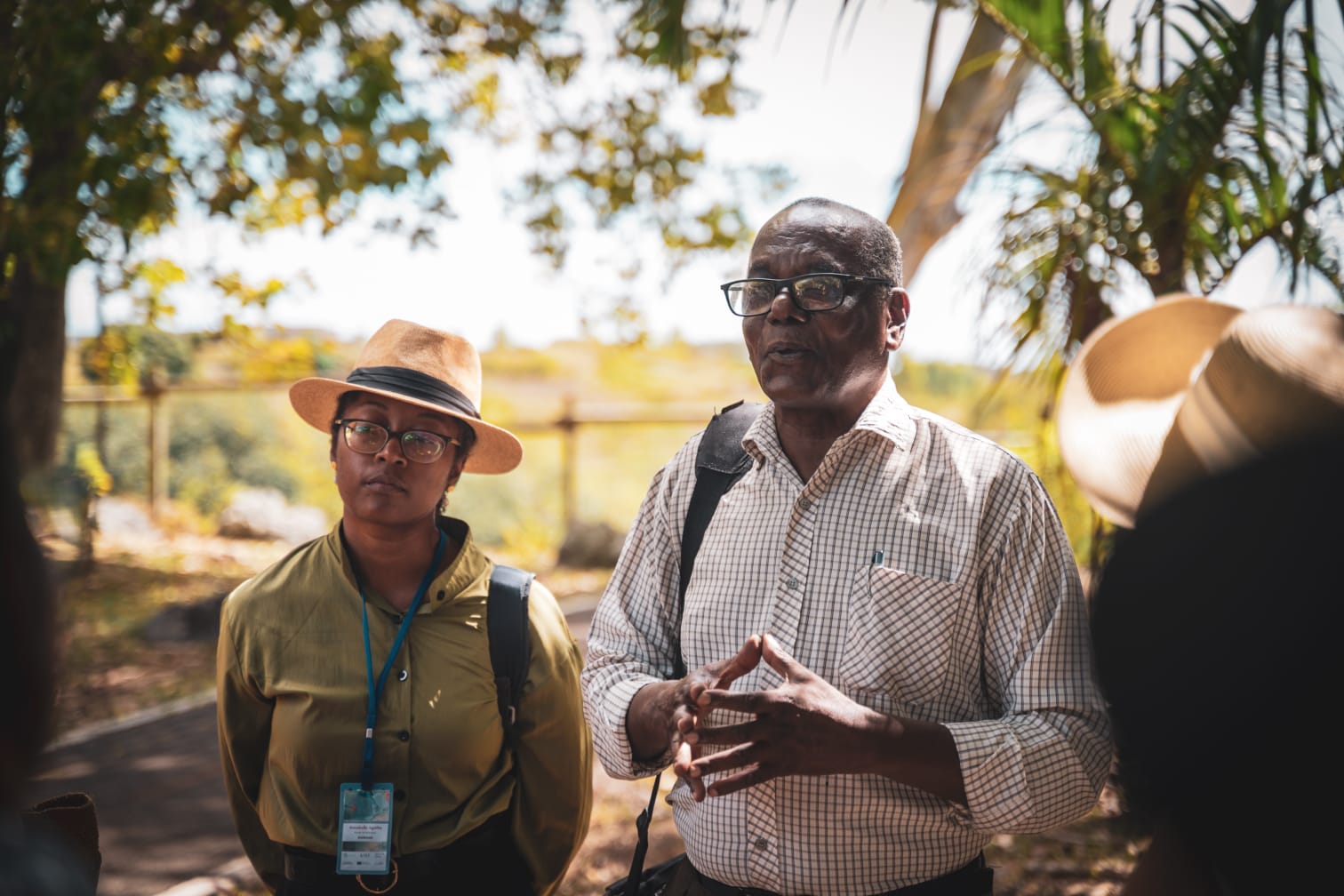
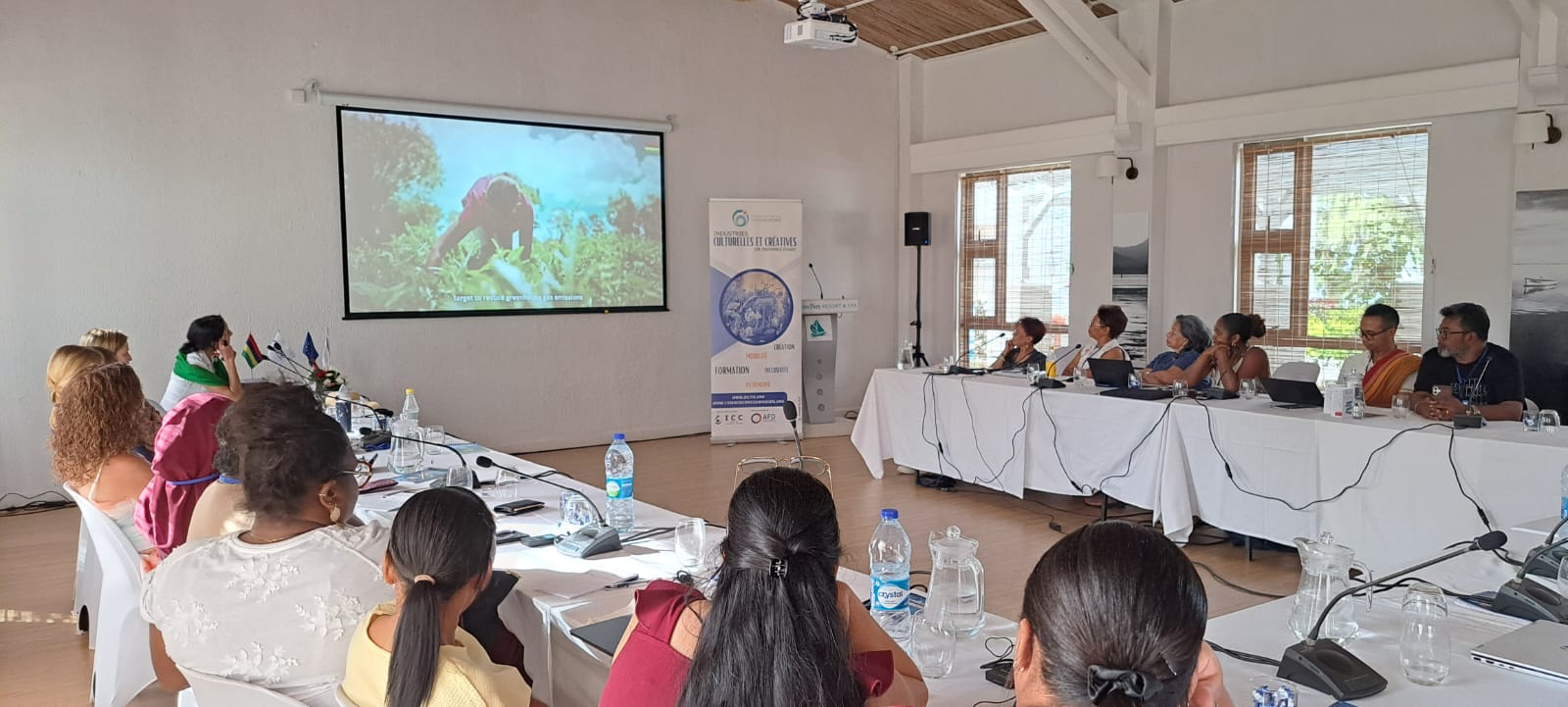
The workshop followed a progressive methodology: analysis of an international case study, a field visit in Rodrigues, and multidisciplinary creative labs dedicated to designing integrated experiences that combine cultural heritage, natural resources, and local services.
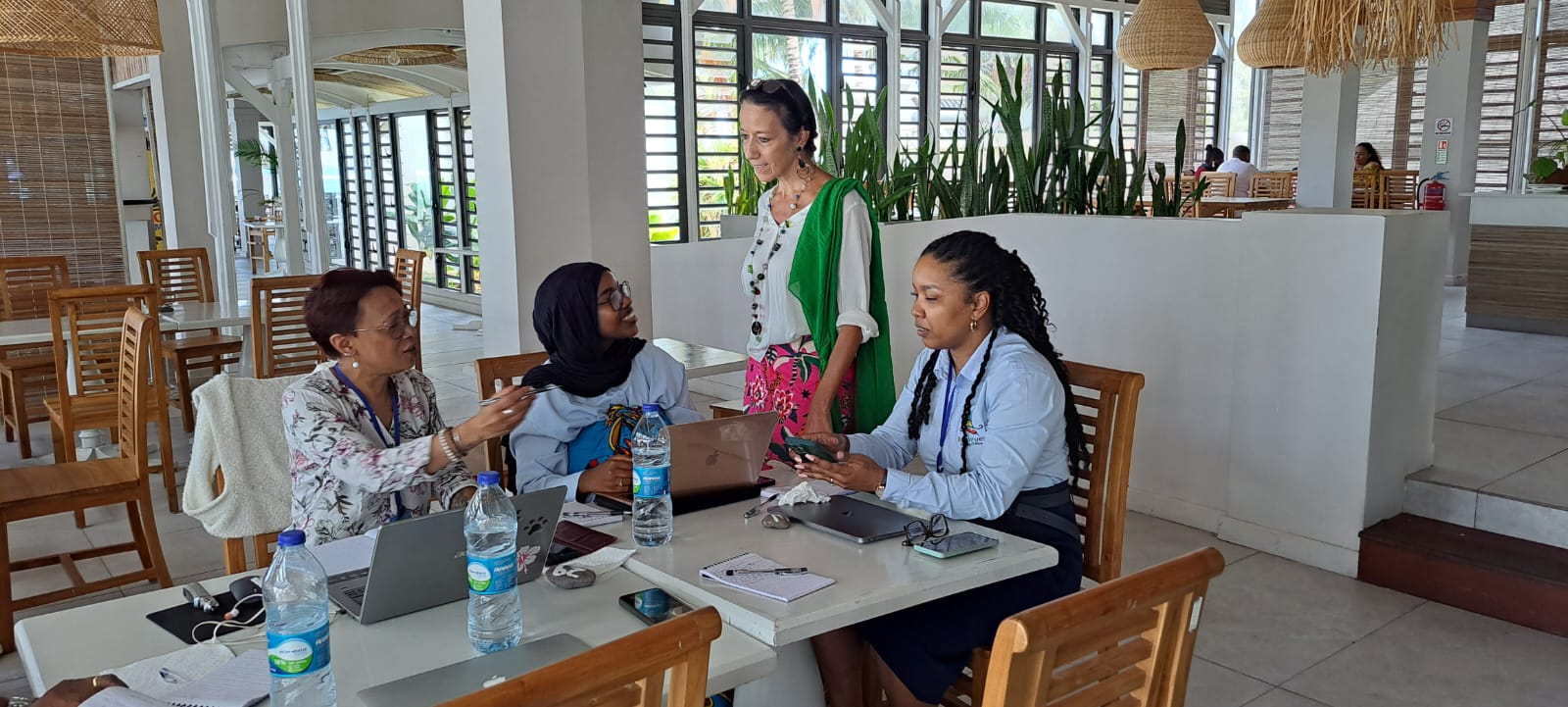
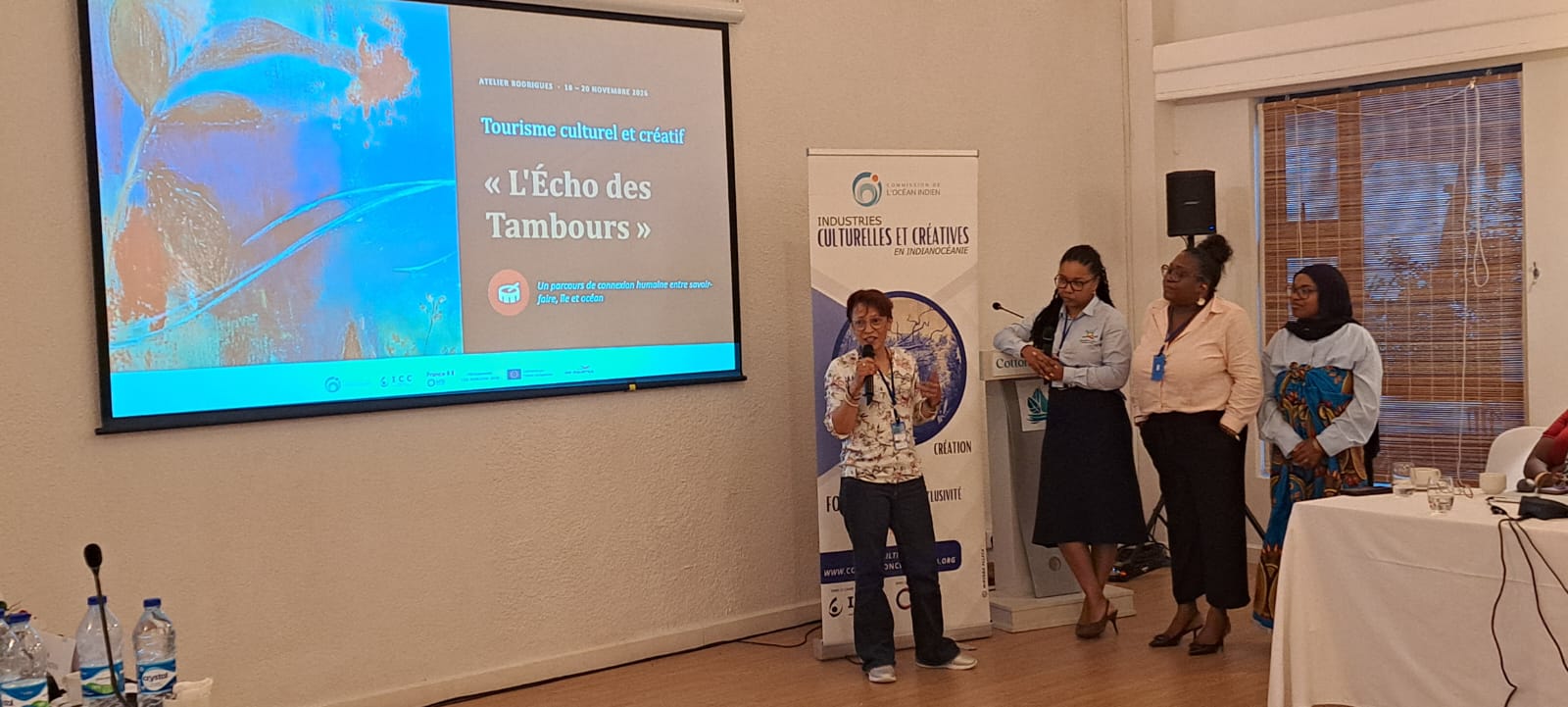
Participants engaged in a genuine co-creation process, resulting in proposals for interregional creative tourism strategies aimed at diversifying tourism offerings, attracting new visitor profiles, and increasing local economic benefits while respecting the principles of regenerative and sustainable tourism.
“While the adaptability of creative tourism to all types of destinations and challenges is no longer in doubt, it has found particularly fertile ground in the Indian Ocean region. The richness and diversity of its cultures, together with the IOC’s clear commitment to making cultural and creative tourism a driver of sustainable development on a regional scale, provide a remarkable example”
explained Caroline Couret, Director of the Creative Tourism Network®, who facilitated the workshop and will oversee the development of the resulting roadmap.
As the first concrete outcome of this regional momentum, Caroline Couret announced the launch by the Creative Tourism Network® of the first edition of the Indian Ocean Creative Tourism Awards, which will recognize initiatives, entrepreneurs, and destinations across the Indian Ocean region that demonstrate outstanding contributions to the development of creative, sustainable, and regenerative tourism.
Engaging Local Stakeholders and Strengthening Value Chains
To maximize benefits for local territories, CCIs must play a central role within tourism value chains and support the stronger integration of creators, artisans, cultural producers, and local entrepreneurs into the tourism economy.
“As an airline, we are the first link between visitors and our islands. We are committed to showcasing the region’s cultural and creative richness and to supporting initiatives that enable travelers to discover it in new ways, generating direct benefits for local communities,”
said Roy Luchmum, Public Relations and Events Officer at Air Mauritius, a partner of the workshop.
Towards an Enabling Environment
The third day focused on governance, partnerships, financing, skills development, intellectual property, and market access. Participants identified priority actions and support needs addressed to governments, regional organizations, development partners, and the private sector.
This workshop marks the first step in a broader process aimed at sustainably structuring the cultural and creative tourism sectors across the Indian Ocean region. Building on the work initiated in Rodrigues, the roadmap developed with stakeholders will lead, over the coming months, to a support programme including thematic webinars, mentoring sessions, exchanges of good practices, and dedicated events promoting local initiatives and strengthening networks among regional stakeholders.
By facilitating dialogue among the islands and encouraging locally driven initiatives, the IOC is helping transform the creativity of the region’s people into a lasting asset for the future of the Indian Ocean. This long-term approach seeks to strengthen sustainable value chains that generate jobs and opportunities, particularly for women and young people, by making heritage, know-how, and local innovation key drivers of inclusive economic development throughout the region.