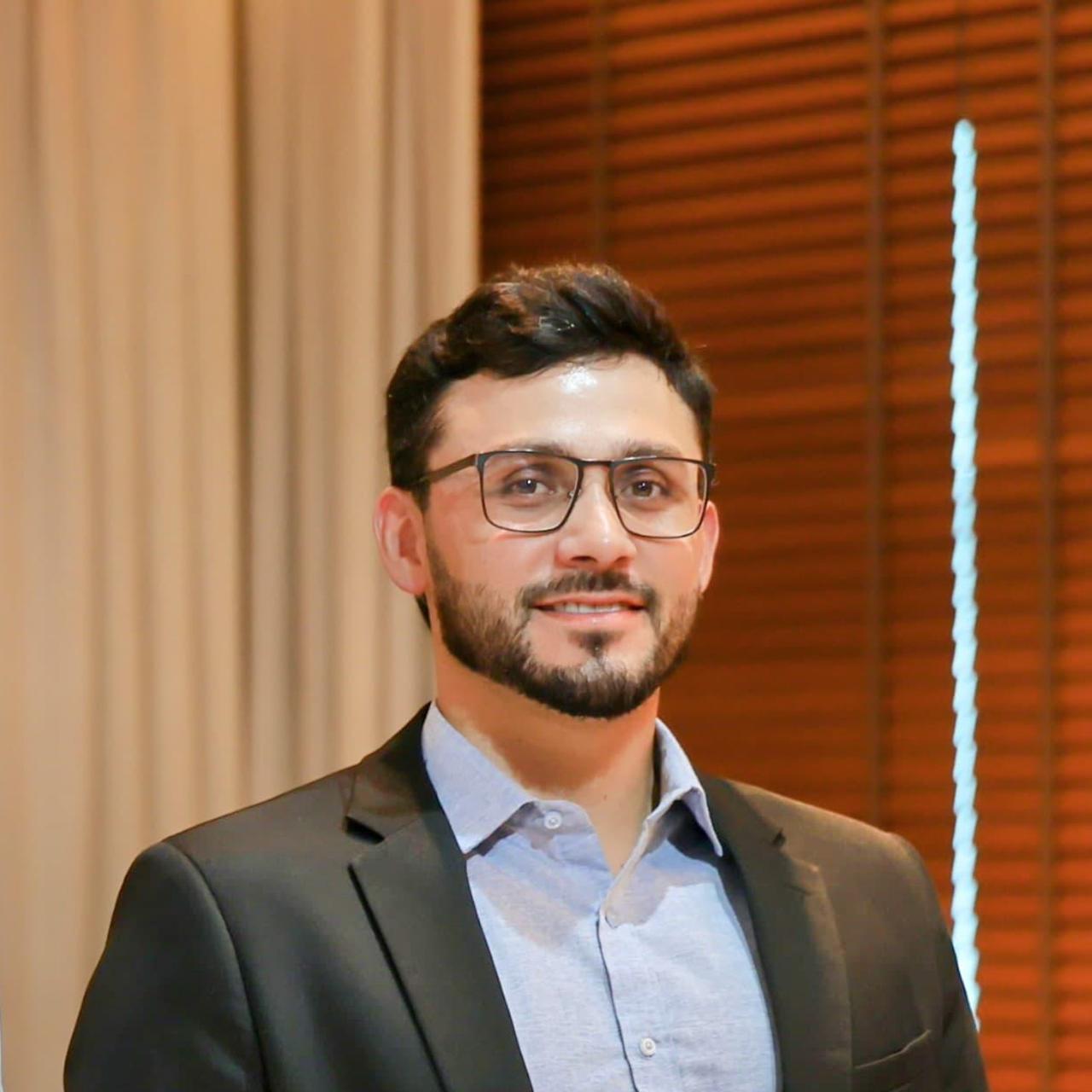
Interview with Luis Rodrigo Teixeira, Focal Point of the City of Belém do Pará, Creative City of Gastronomy – UNESCO.
BELEM
Q: Could you briefly present the cultural and creative DNA of your city?
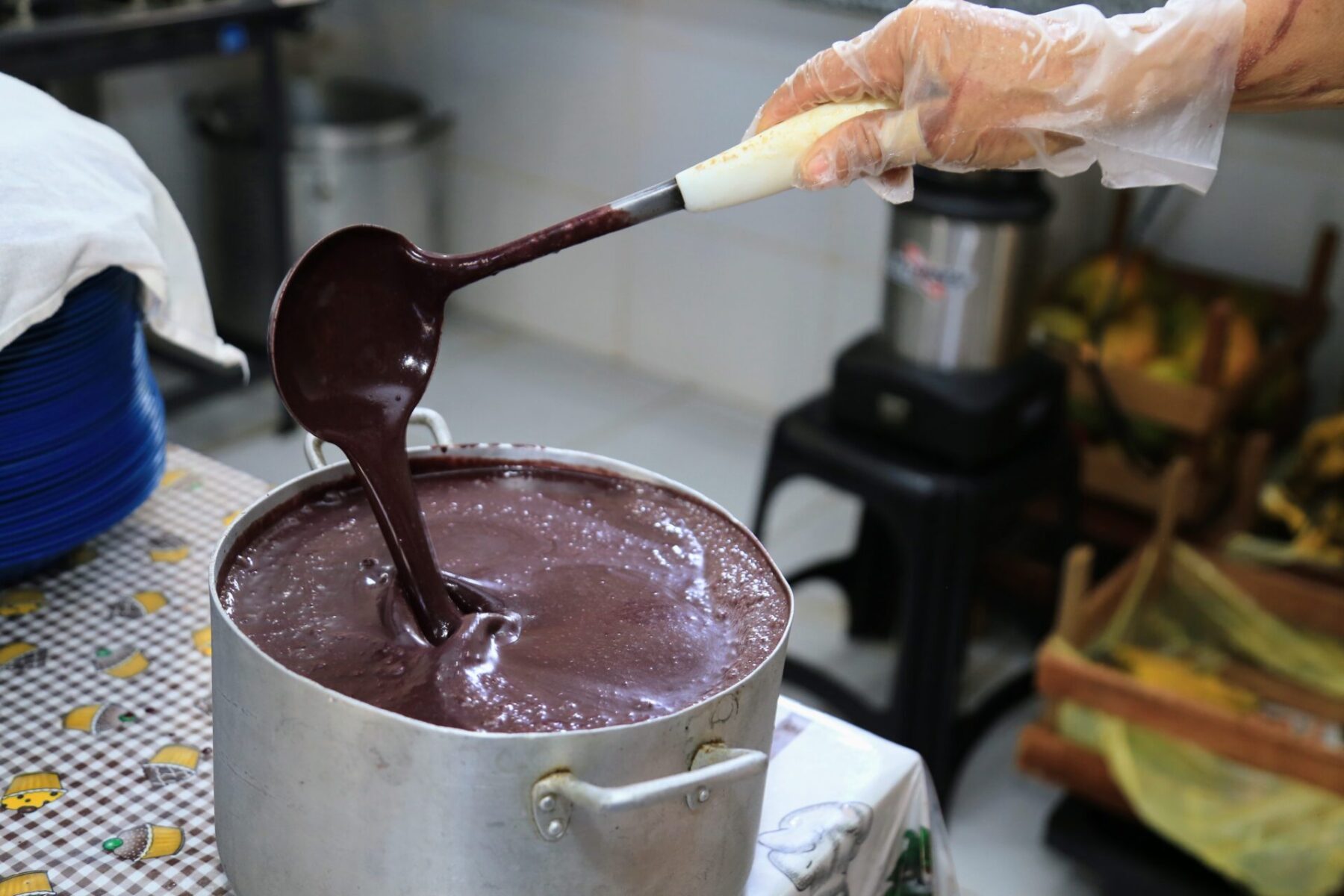
A: Belém is much more than a city. It is a melting pot of cultures, knowledge and flavors. Indigenous, African and Portuguese influence is manifested in music, art and especially cuisine. Here food comes from the forest, rivers and the ancestral knowledge of the original people.
Q: Could you share some successful initiatives or best practices thatillustrate your city’s approach to the creative economy/tourism?
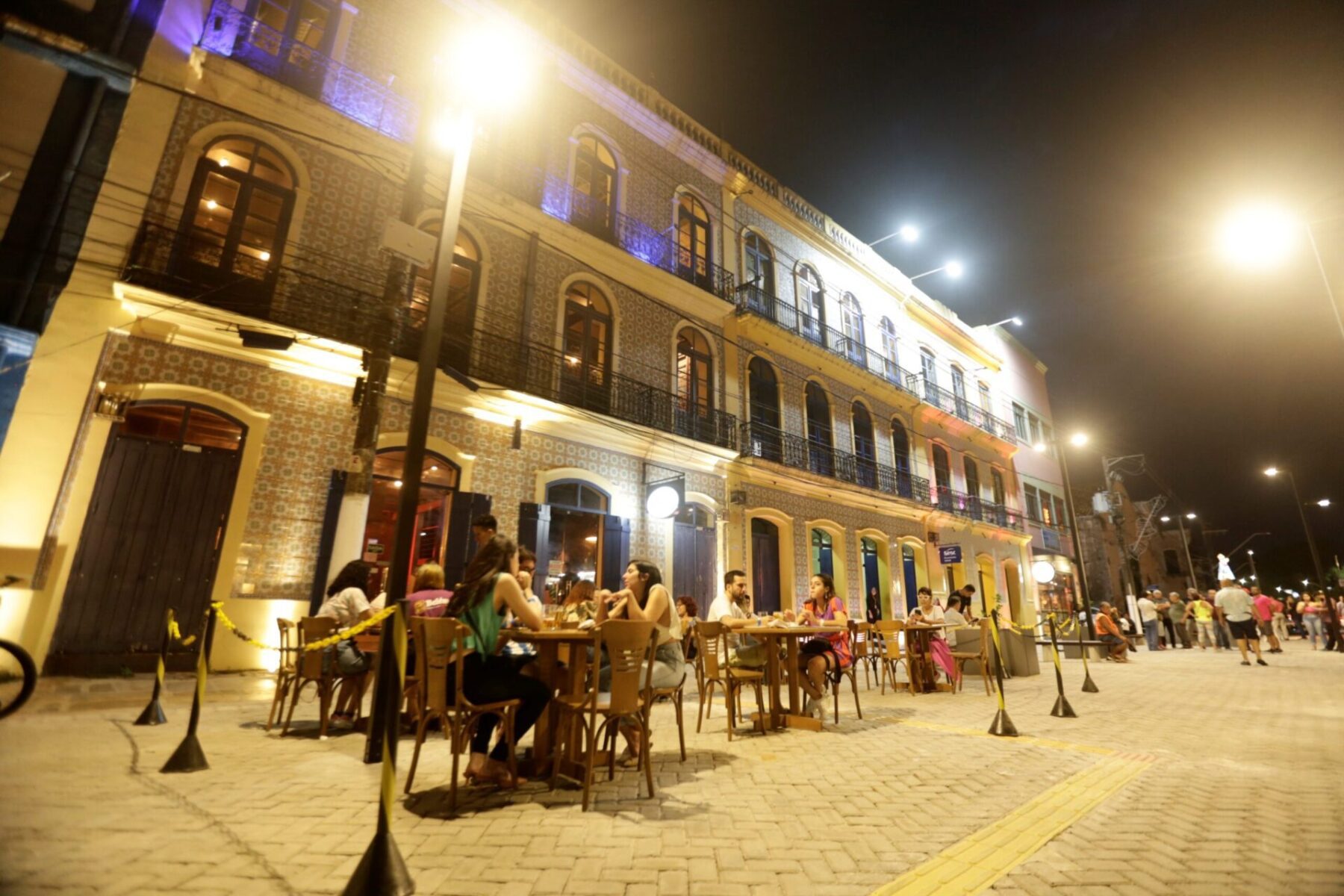
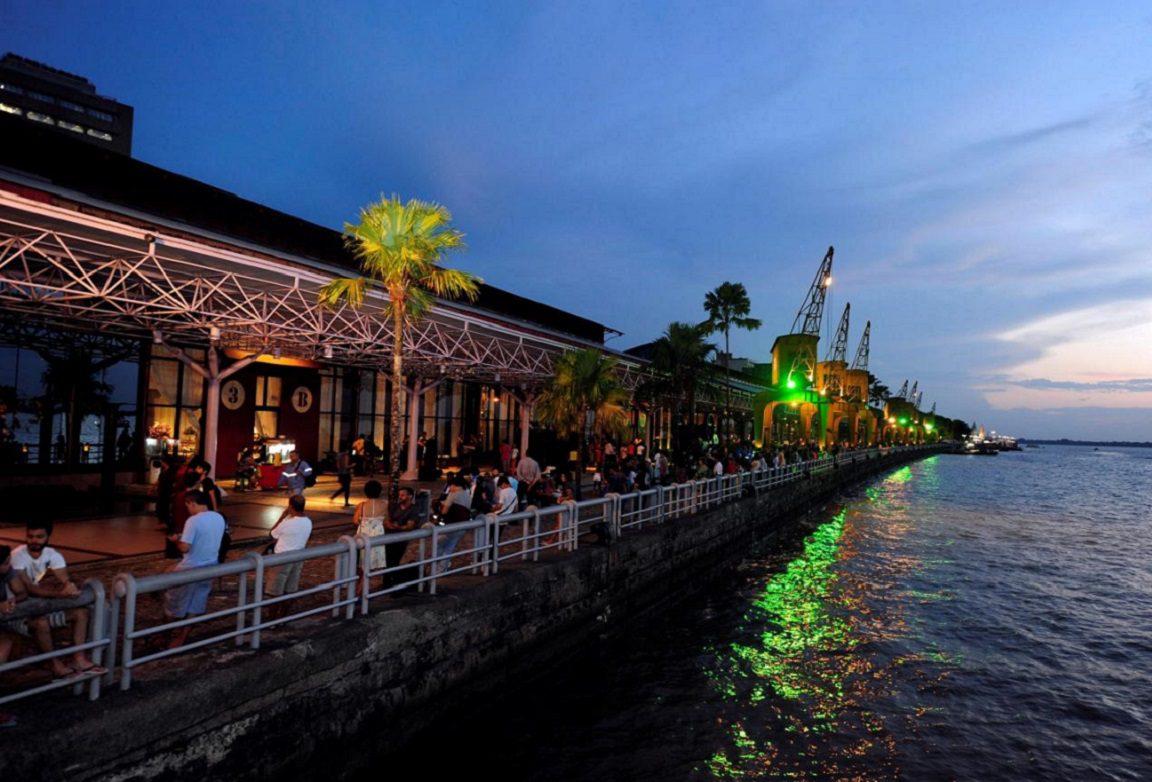
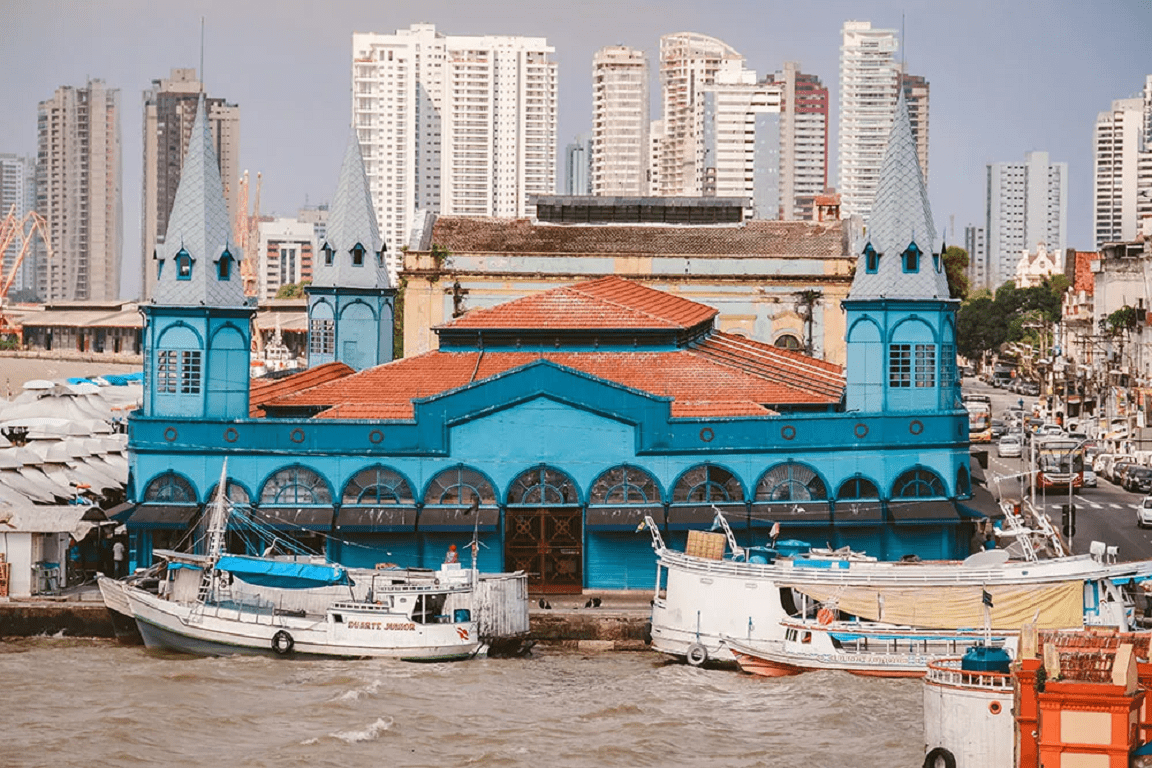
A: Belém’s main initiatives to enhance the creative economy and tourism translate into investment in gastronomic tourist attractions, such as the renovation of Ver-O-Peso, the largest street market in Latin America, the requalification of the São Brás Market into a gastronomic and tourist hub in the city, the inauguration of urban corridors, such as the Boulevard da Gastronomia. In addition to promoting and supporting training and gastronomic festivals throughout the city, such as Gastronomia das Ilhas, which brought tourism to the island region of Belém and previously trained the restaurants and producers involved in the project.
Creative Tourism is the way local and travelers can share Belém’s DNA: its ancestral knowledge and flavors has invested in experiential tourism, providing opportunities to monitor the whole food process , from the extraction to the tasting!
Luis Rodrigo Teixeira, Focal Point of the City of Belém do Pará, Creative City of Gastronomy – UNESCO.
Q: How would you define creative tourism from your city’s perspective?
A: Creative Tourism is the way local and travelers can share Belém’s DNA: its ancestral knowledge and flavors has invested in experiential tourism, providing opportunities to monitor the whole food process , from the extraction to the tasting! In addition to valuing the city’s historical culture, with the revitalization of historic buildings such as Mercado de São Brás and Bosque Rodrigues Alves.
Q: What are the main assets of creative tourism that contribute to your city’sdevelopment strategy?
A: Talking about tourism in Belém is giving deserved emphasis to the Círio de Nazaré, one of the largest religious events in the world that, traditionally, takes place every year on the second Sunday of October. However, it is not restricted to this date alone, as throughout the month, Belém receives thousands of national and foreign visitors, which significantly increases the local economy, for example, hotel traffic, sales of artisanal products, visits to historic tourist attractions, etc. During this period, our rich cuisine is widely disseminated and, consequently, consumed by both the population of Pará and tourists, through typical dishes such as maniçoba, duck in tucupi, tacacá, etc. This food wealth, which hasbecome extremely important for tourism, meant that in 2015, Belém was recognized by UNESCO as a Creative City of Gastronomy, a title that celebrates the originality and sustainability of its cuisine, as the food comes from the forest, rivers and the ancestral knowledge of the original people.
Q: How do local communities participate in or benefit from creative tourismprojects?
A: In recent years, Belém’s gastronomy has occupied a prominent position on the national and international scene, which has contributed to the development of food education, social inclusion and strengthening family farming projects that over time have transformed the city into a hub of gastronomic innovation and sustainability, factors that positively impact the economy through the increasing generation of jobs and income. We can also mention, for example, that several courses are offered for the population to expand their knowledge, perfect different techniques and put the skills acquired into practice.
Q: What are your goals or future visions regarding creativity and tourism inyour city?
A: Next November, Belém will host COP-30 (Conference of the Parties), which is the main annual meeting of the signatory parties to the United Nations Framework Convention on Climate Change (UNFCCC). Its main objective is to debate measures to reduce greenhouse gas emissions, find solutions to environmental problems and negotiate actions for the future of the planet. During this period, the whole world will have its eyes on the city. Therefore, several measures, including structural works, are being taken to hold such an important and grand event, especially in the areas of mobility, sanitation and urban development. Furthermore, Belém will have a huge legacy that will certainly boost tourism, for example the City Park, which will host COP 30, will have 500 thousand m² with an aviation museum, creative economy center, gastronomic boulevard, cycle trail, areas of preserved forest, as well as a lake and sports facilities. Another highlight is Porto Futuro II, which will feature the Innovation and Bioeconomy Center, the Amazonas Museum and the Caixa Cultural. The proposal is to transform the place into a tourism hub and valorization of Amazonian culture and the bioeconomy.
By continuing to browse this site, you agree to our use of cookies.